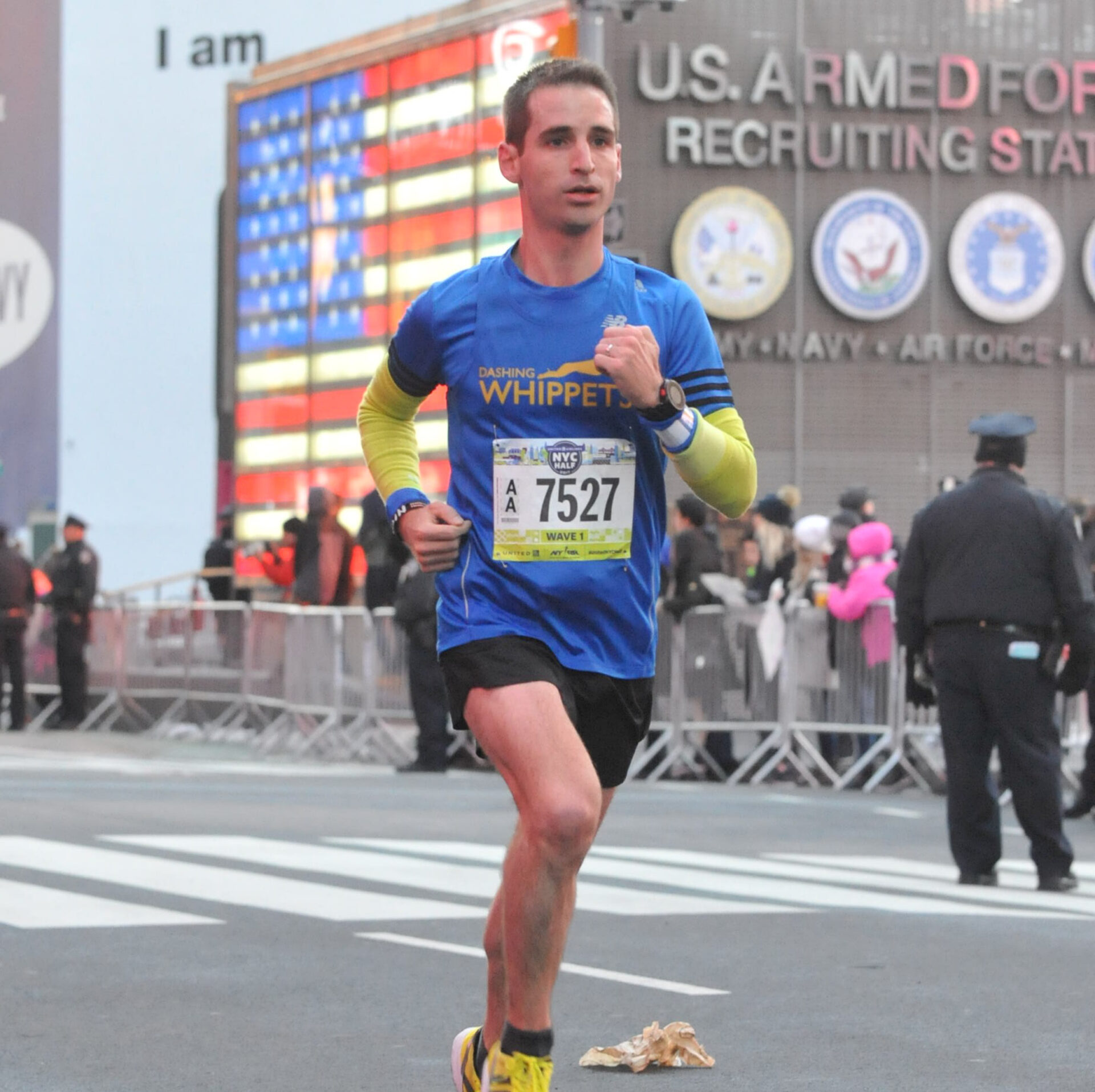
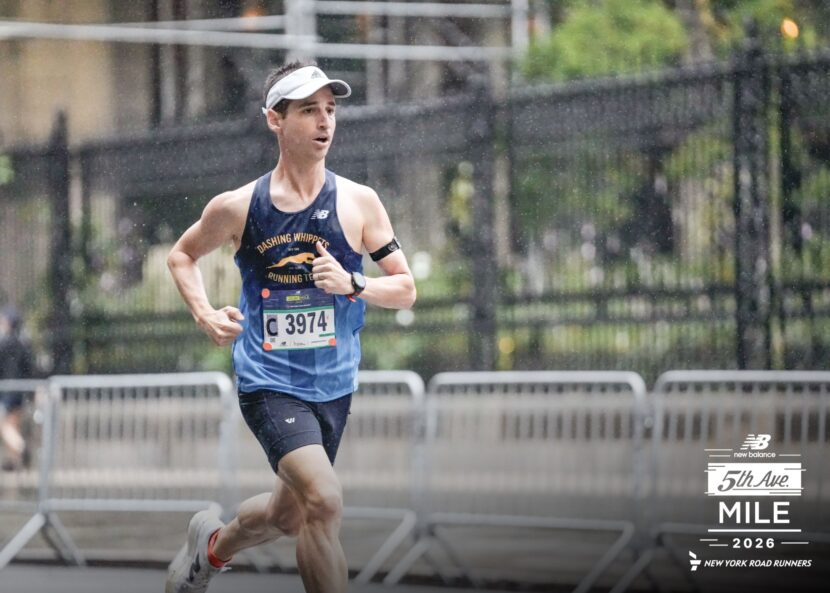
Expeditious, the time flew this summer more than any other one that I remember. I’m still focused on my training not only for the 2026 NYC Marathon, but also for continuous year-round fitness. Focus means blocking out the stuff not attributing to my goals. Vey important in an information rich, yet wisdom poor society in which we operate.
A tendency lies in either digging through the weeds too much with training metrics or on the extreme end, having no structure and hoping for the best. I often find myself in the middle. Moreover, while I’m not against all the running tech, it’s only good if it provides something of use. Shoes and nutrition? Great. Running sensors claiming to provide accurate information to inform training? Not so much. Metrics such as DFA alpha 1, GCT and other running dynamics might offer another perspective at the portrait of training. The issue is the noise associated with them, let alone the inaccuracies for some of us.
I’ve learned to trust my body more than anything with how I’m absorbing my training load. Using a PMC such as intervals.icu to see my training in numbers does help. On the flip side: the PMC can’t tell me if I’m running with sloppy mechanics that might contribute to an injury down the road. Also, Coggan and Allen’s TSS model initially dealt with cycling, not running. With my training exploits, I’ve found that even leading brands do not account for accurate information. I now focus on outcomes of movement with my form. I also test lactate occasionally and look contextually at these metrics, including heart rate. On another note, I’m cautiously optimistic to try a continuous lactate monitor late this year or early next year. I will report back.
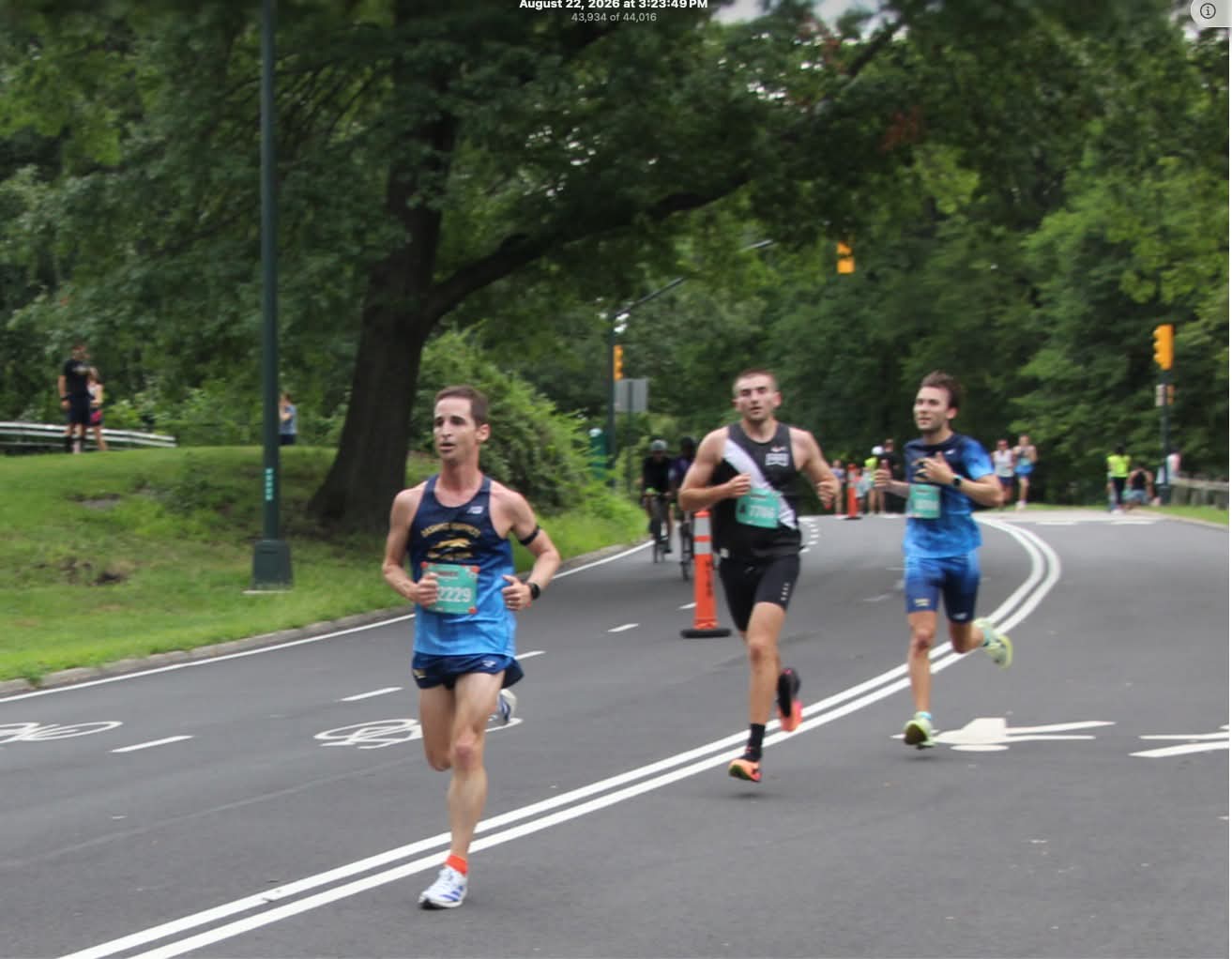
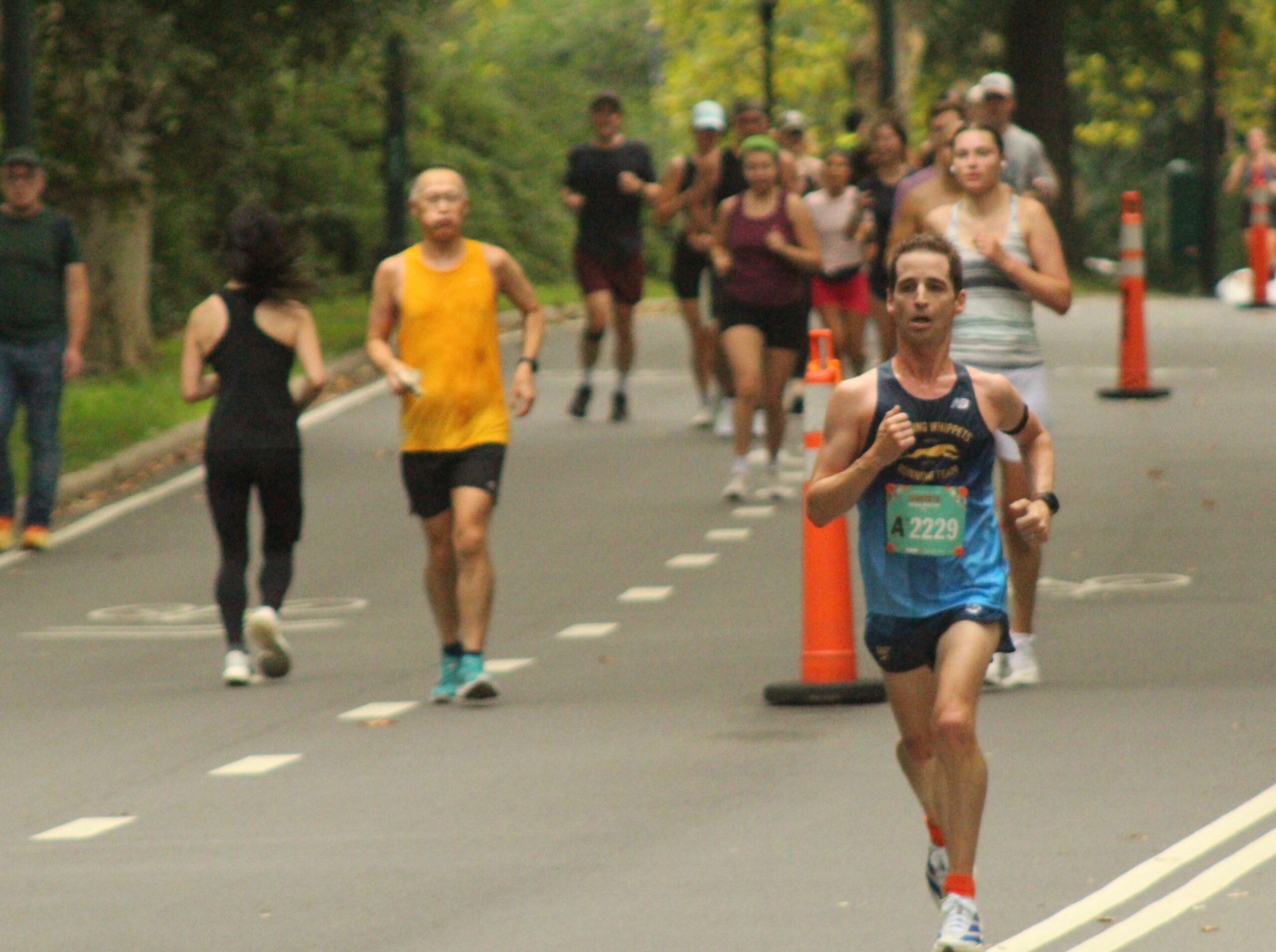
I entered the Queens 10k before Father’s Day. I’m still dizzy from all the turns as I write this post. Initially disappointed with a 34:20 (my watch showed mid 33’s), I entered Grete’s 10k in Central Park. On another note worth triggering some: participants should use their Strava time on that particular edition of the course. Taking the tangents deemed almost impossible and most people went wide anyway. Although Central Park is hilly, the course profile would provide good practice for when I tackle the marathon again in November.
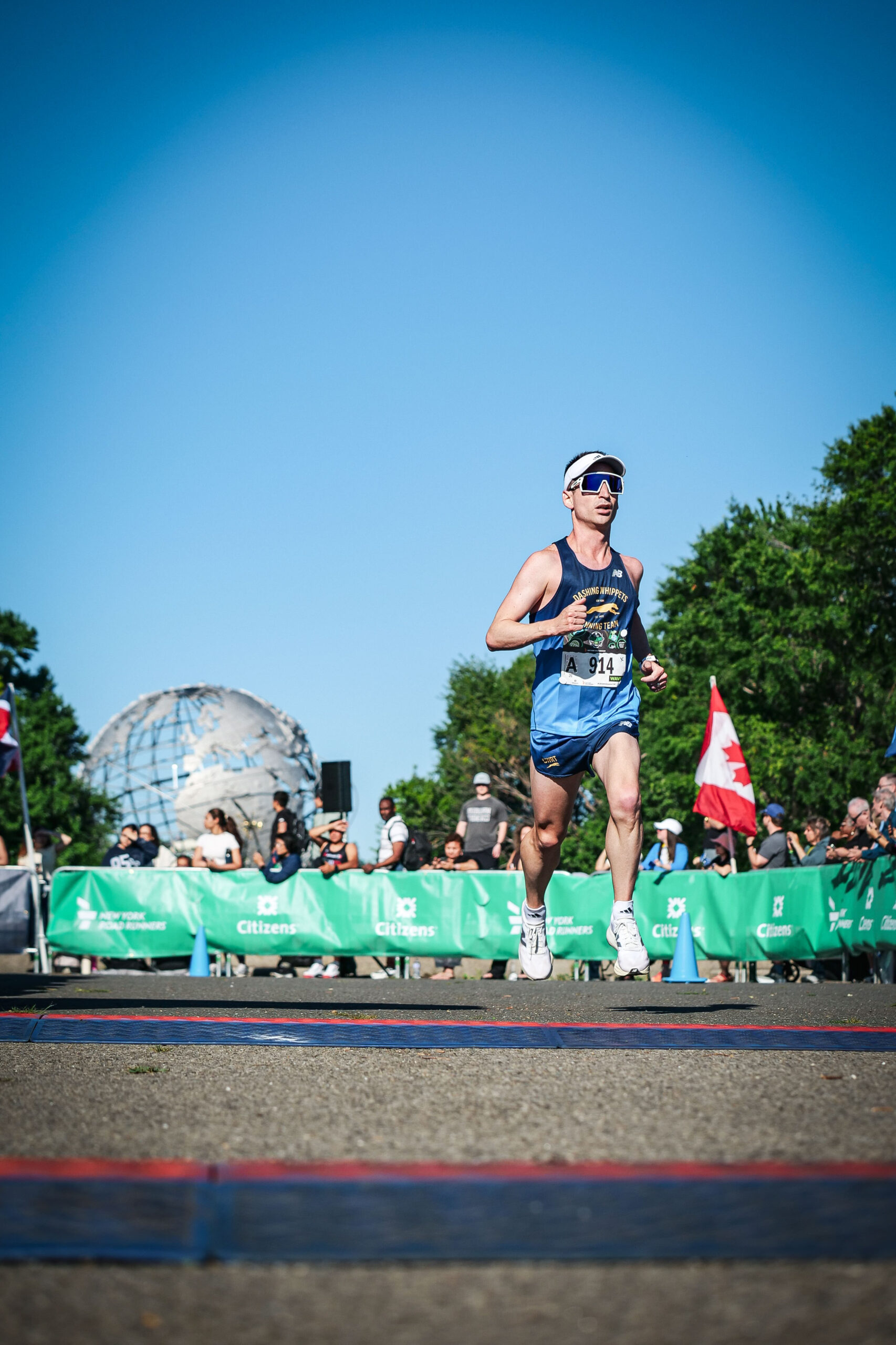
I found that my fitness across race distances actually lines up well. The issue tends to lie within the nature of racing in NYC. Not to make excuses, I’m working through this obstacle. I’m of the belief people can still run fast here. In my experience, anything seems easier than running and climbing on the rugged roads of St. Croix. I confidently lined up at the start. While I finished around the same time, I took initiative early on in the race by trying to close a gap early on. I earned 14th place overall and 2nd place in my age group. Fortunately others followed and I gained some much appreciated respect from my peers after the race. My stride and execution felt very smooth. I only need my aerobic engine to catch up.
Post Grete’s Gallop put me 10 weeks out from the NYC Marathon. While the marathon is my focus, I signed up for a totally different, but fun event: The 5th Ave Mile. Sprinkling in some efforts at “mile pace” leading up to it, I embraced my last year running down 5th Ave in the 35-39 year old age bracket. Could I keep the “sub-5” streak alive?
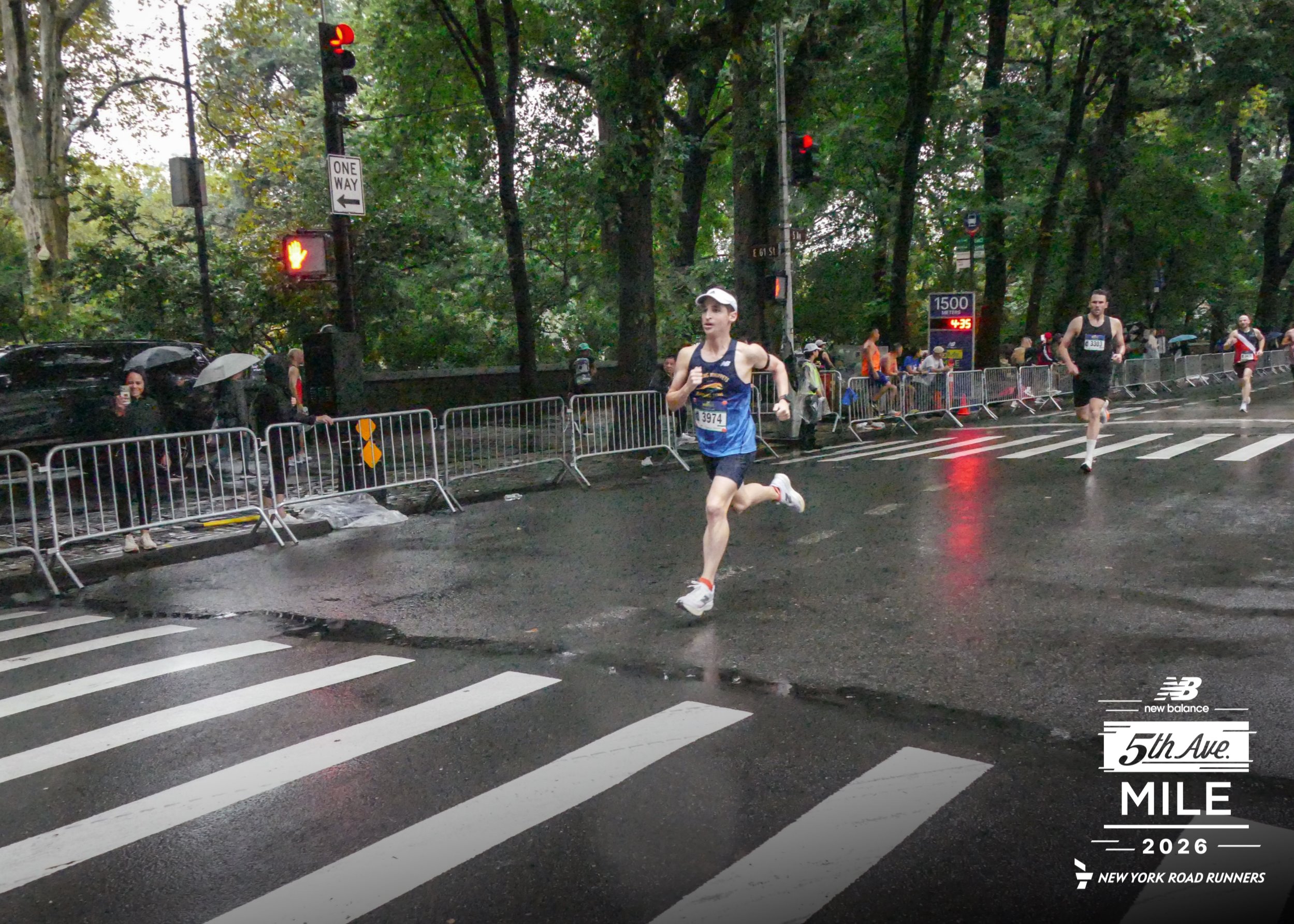
I set no expectations for myself for this run. After all, this isn’t my primary event. I felt great and relaxed the week leading up to Sunday’s start, even running some relaxed 800 meter repeats during the week that just barely breached 5:00 mile pace. Since the mile is around 80% aerobic anyway (though some approach it a bit more anaerobically), I set a realistic goal and trusted my fitness. Additionally, I’ve really smoothed out my running form this summer. This offered a good chance to see how composed I could keep my body when fatigue set in.
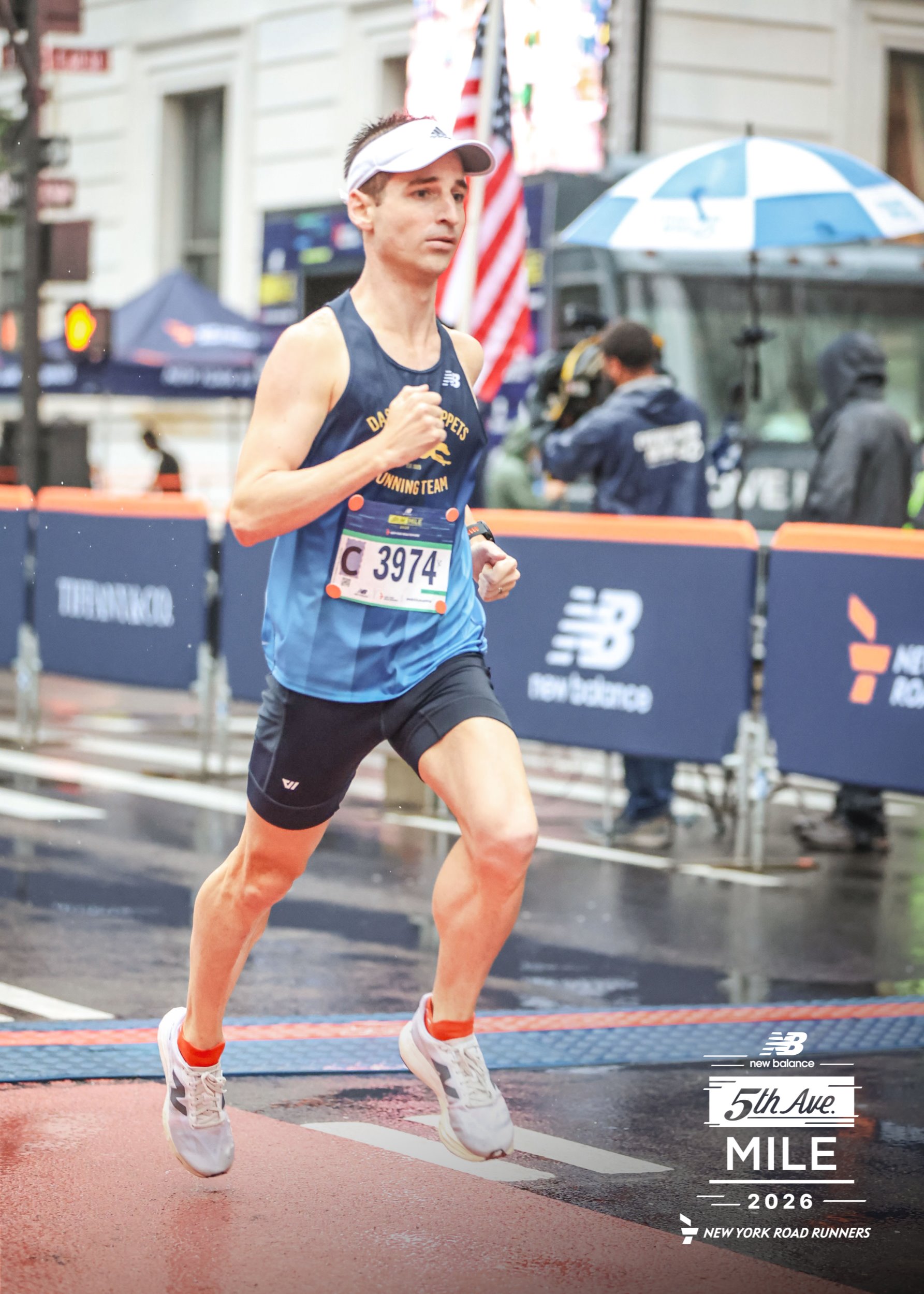
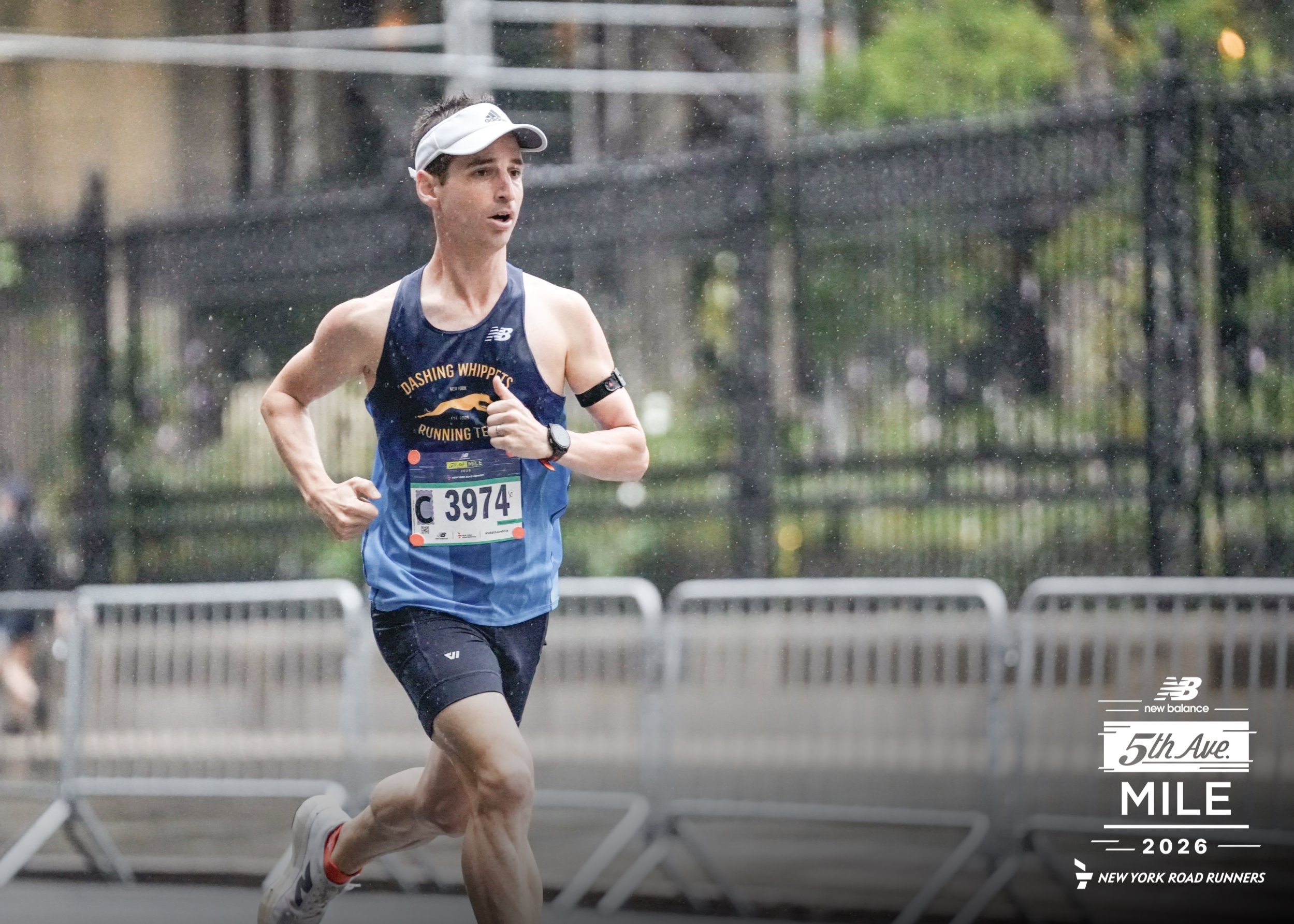
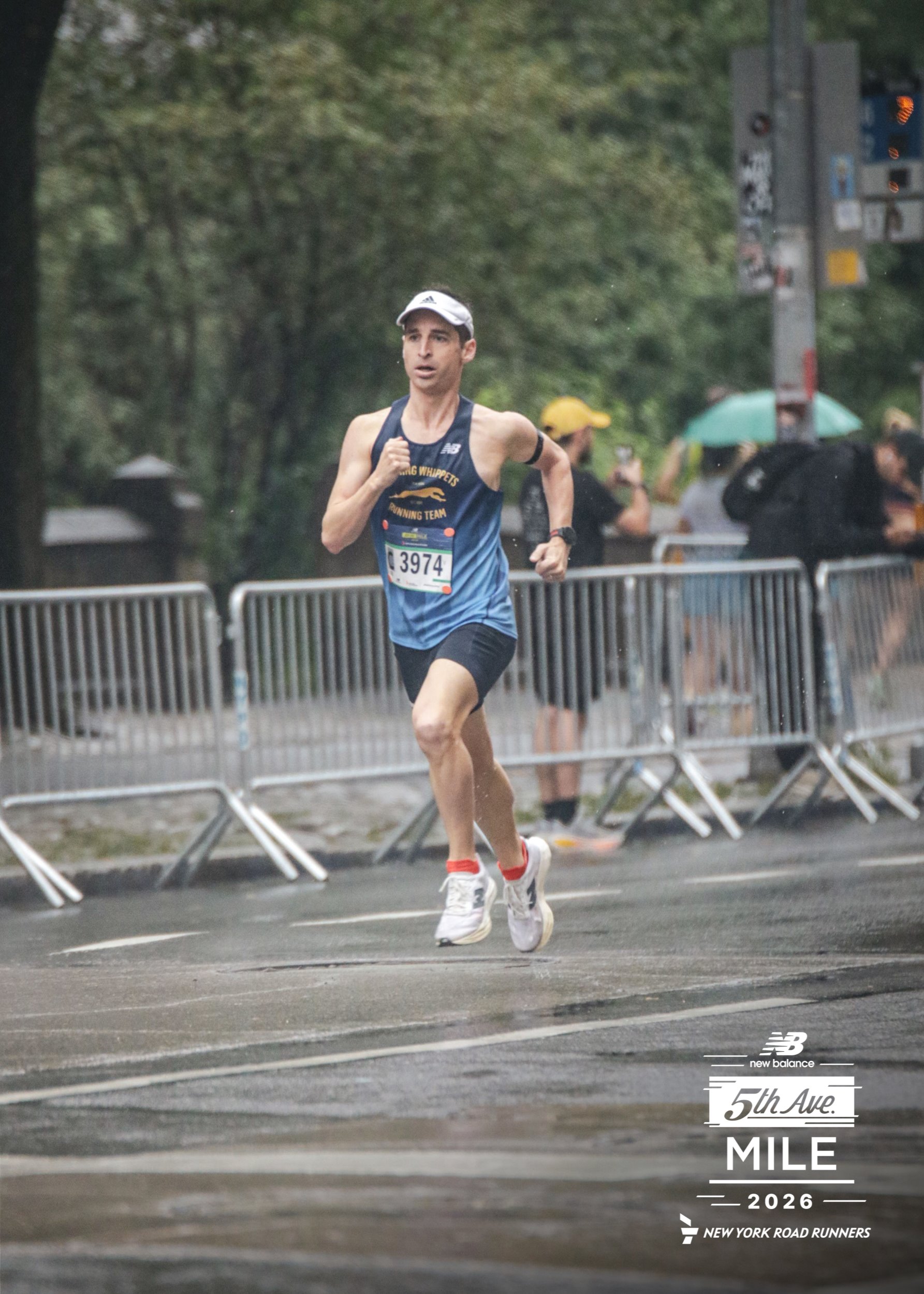
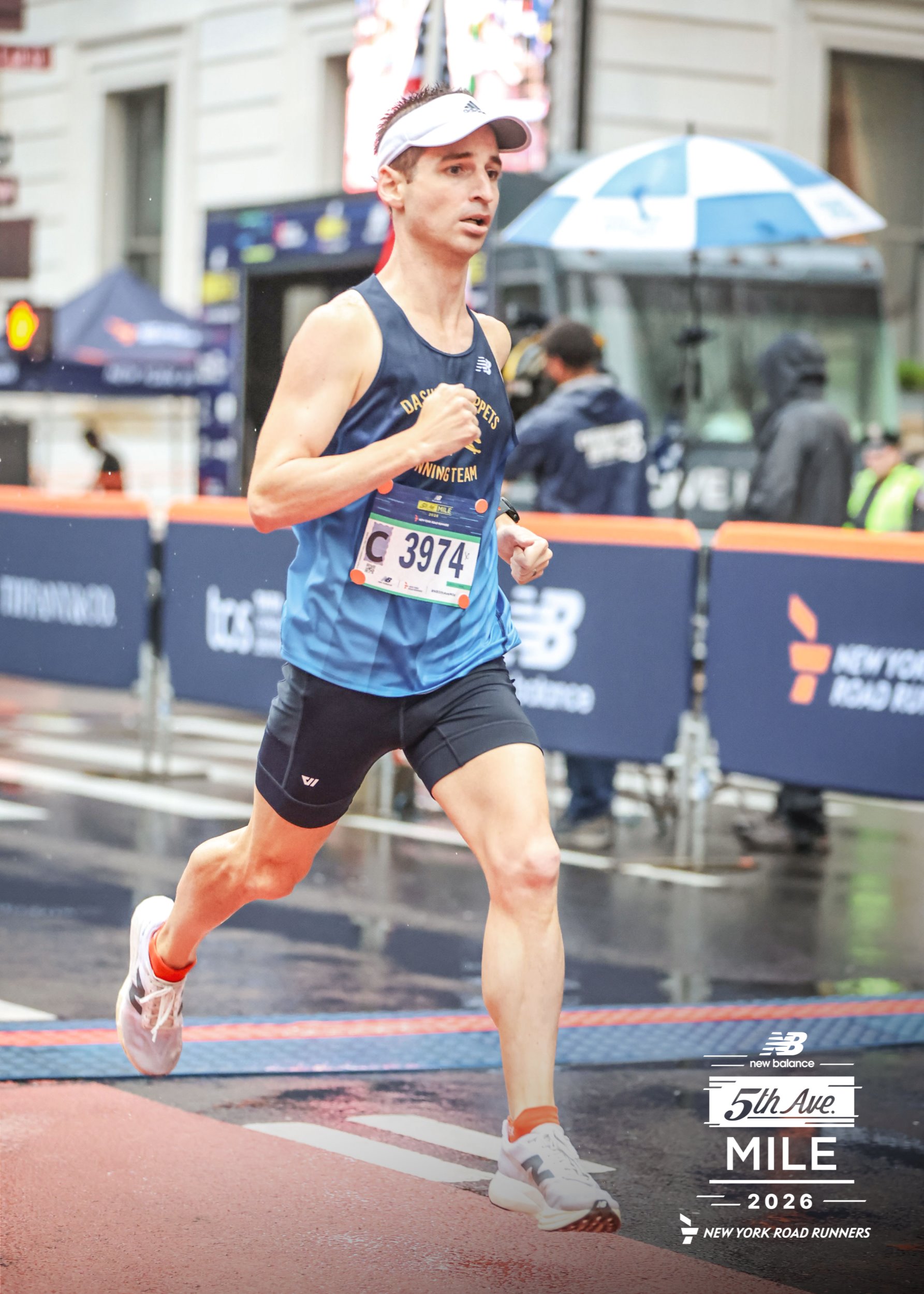
Initially opting not to go after receiving an NYRR staffing text alert to seek shelter due to lightning, the weather cleared up. I headed out the door. Even if NYRR needed to cancel due to safety, at least I showed up. While not quite the deluge the year before offered, the conditions felt good. Pacing felt even better. While I did not PR, I kept the streak alive running 4:52. Using this occasion to also collect and collate data, I saw that the power in my stride increased. Form work continues to pay dividends. I’m happy with the result as a typical diesel who never really works on the top end stuff. Though, I’m entertaining the idea of specifically working on the shorter stuff next summer.
I’m excited to continue my training for NYCM and beyond. I’m refining my coaching and understanding of training. Albeit not complicated, I’m much more aware of how to sequence everything while looking out for the subtleties not easy to see. It took time, but I needed to see every tree in the forest to put all this together.


Even with the fast pace of content, AI, etc. I hope people still see the value of thinking and learning for the long-term. Don’t rush, take your time! It’s why I still come back to this 15-year-old blog that I own to post, even if it doesn’t reach the masses. I’m ok with that because I don’t feel pressured by other platforms, trends or gaming the algorithm for attention. Matter of fact, much of the running content now turns me away from the sport akin to how guitarists endlessly debate amps and gear. Talking too much, yet saying so little of value on both fronts. On a final note, I’m not alarmed at turning 40. While maturity doesn’t necessarily come with age (acceptance of responsibility does), I’ve been mentally, more so socially, ready to see what lies ahead during my next decade on this earth. It’s time.