I have really refined how I train for almost a year now. The Norwegian Singles Method by James Copeland and most recently, Marius Bakken’s Norwegian Training Method, provided a majority of the parameters to operate in. Yes, on singles the concept is sweet spot. Though, much like almost every musician I know hates terming what they play jazz, the name stuck. With Bakken’s book, I appreciate how he connected his observations with East African runners, alongside his insights working with Peter Coe and Joe Newton, to organize a training system.
My primary focus still consists of pushing everything up from below until my floor reaches my ceiling. It took about a year, but this sustainable framework does work. For clarity, I’m not against periodization at all. In fact, Bakken talks about experimenting with it in his book. Currently though, I’m running well structuring my weeks flat. In training, I’m relying more on my aerobic system, often running under LT1 for my easy days. I explore a broad range of paces below LT2 for workouts while rarely crossing into the heavy, metabolically unstable, exercise domain.
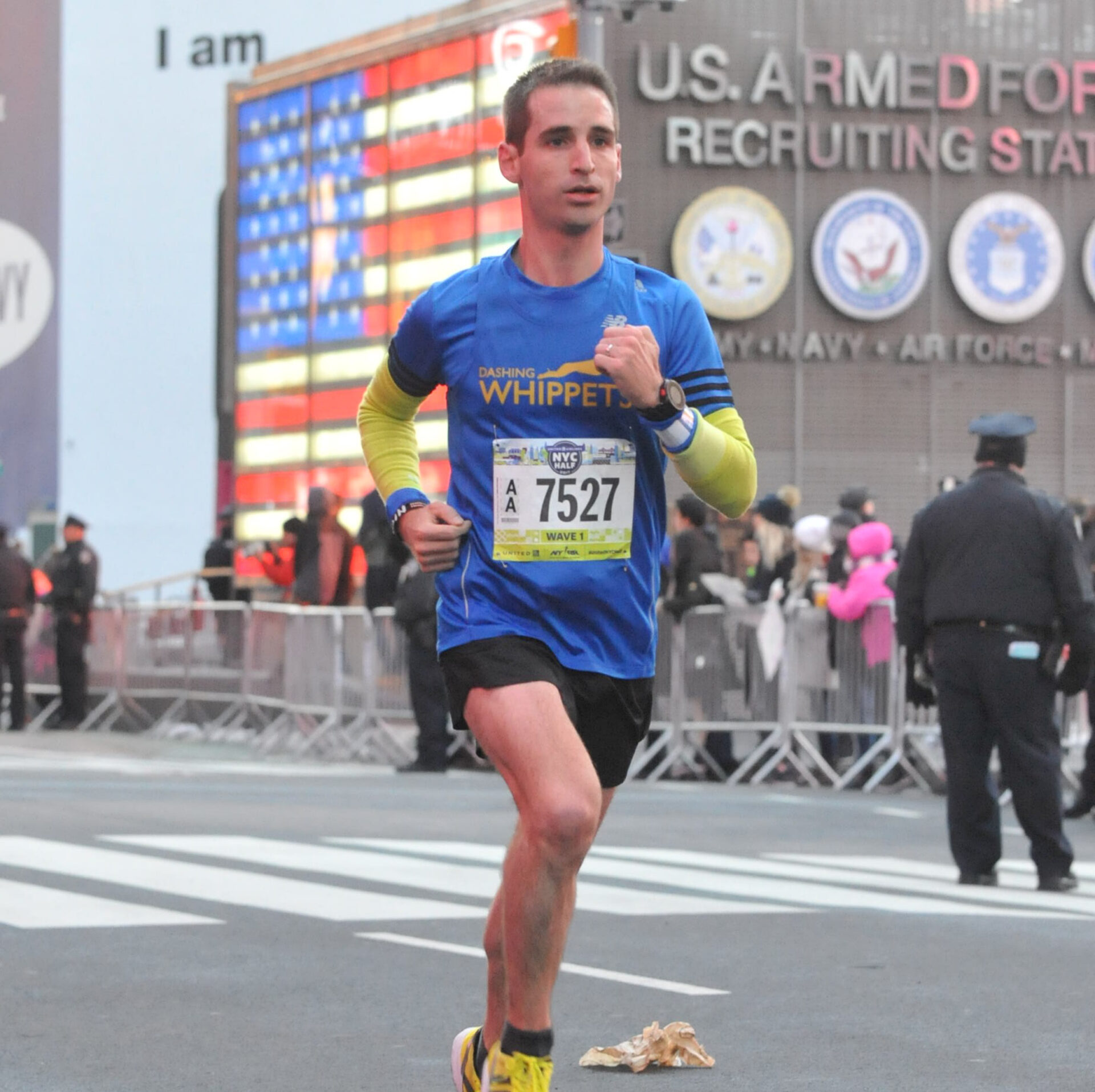
This served me well with racing in March. I set a five second PR at the United NYC Half, running each 5 km in 17:34 cutting down to negative split at the end. The metronomic nature of the performance left me wondering if a consequence of threshold training allowed for more even and natural pacing. That, or all those years engraining not to drop time, in fear of an elder cussing me out on the bandstand, somehow trickled into my running.
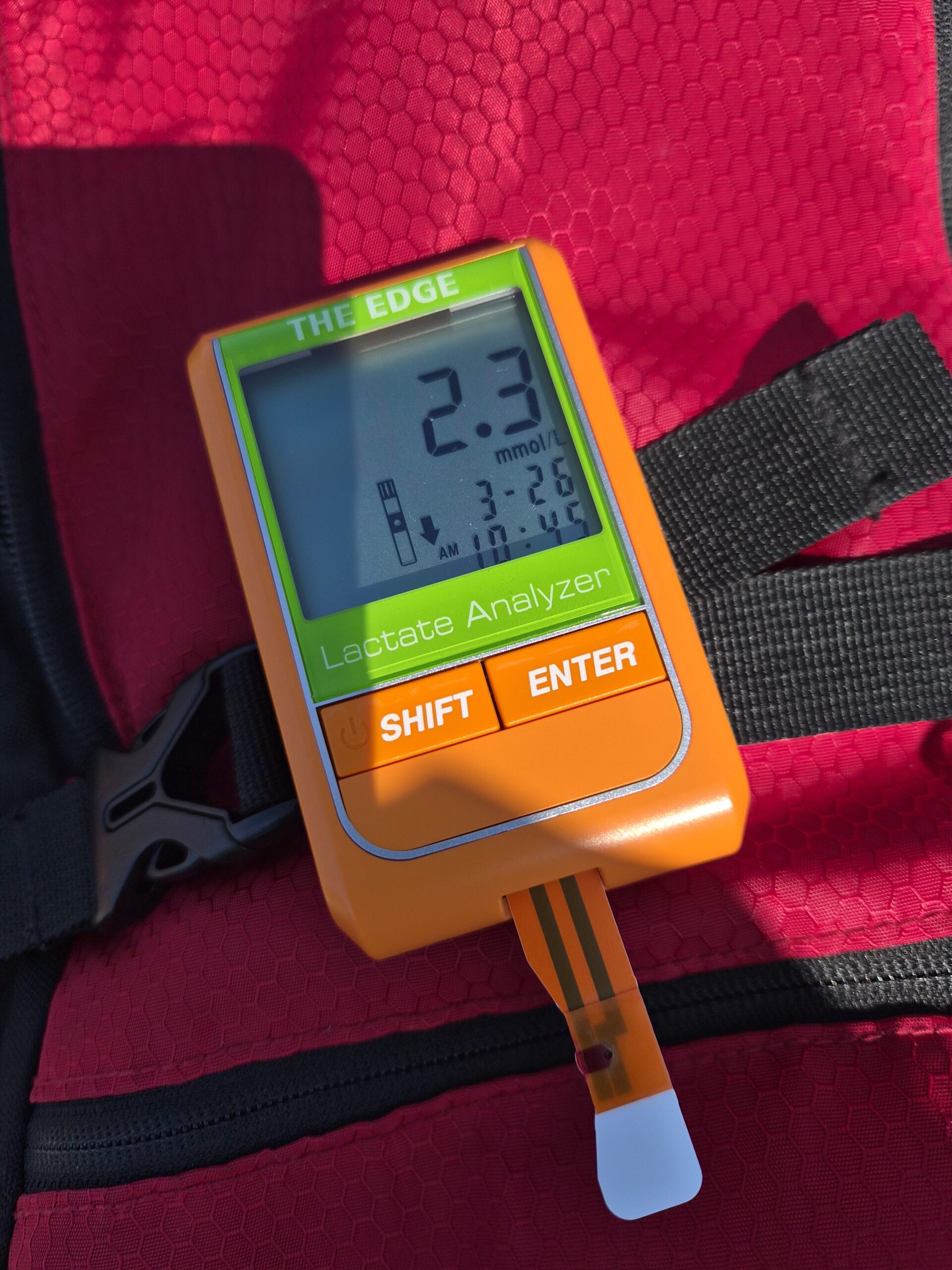
Two weeks after, I seized a nice day to spot check lactate at McCarren Track. The paces lined up well based off my current level of fitness, as I stayed well under where my LT2 sits. Trust grew because I saw everything working together in concert. No need to blindly guess how to progress. It takes a quiet confidence to train this way because I rarely hit target race pace week to week, if at all. It takes a mindset of fitness coming to you rather than chasing it. Of course, one could run 5k pace in workouts all the time, but it comes at a cost. Consistency and volume will always win, even on lower mileage with no true “speedwork”. On another note, I’m not even sure how to define speedwork anymore after digging through the weeds of exercise physiology.
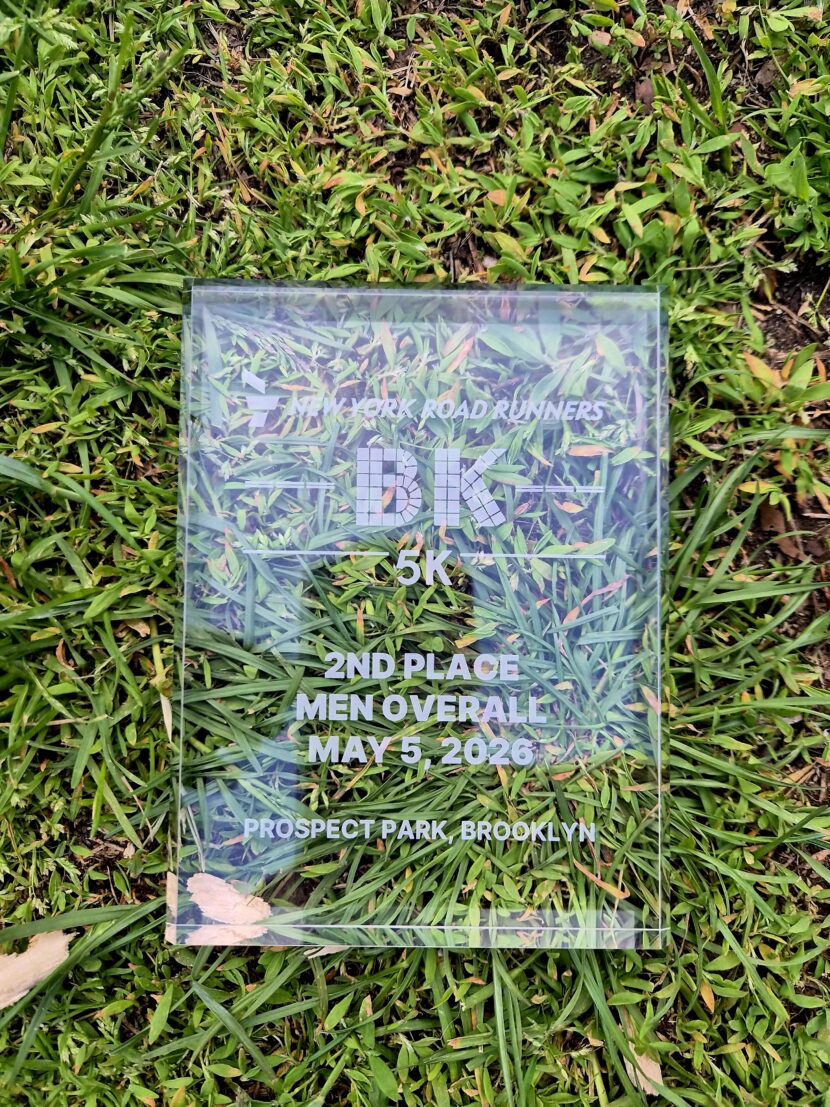
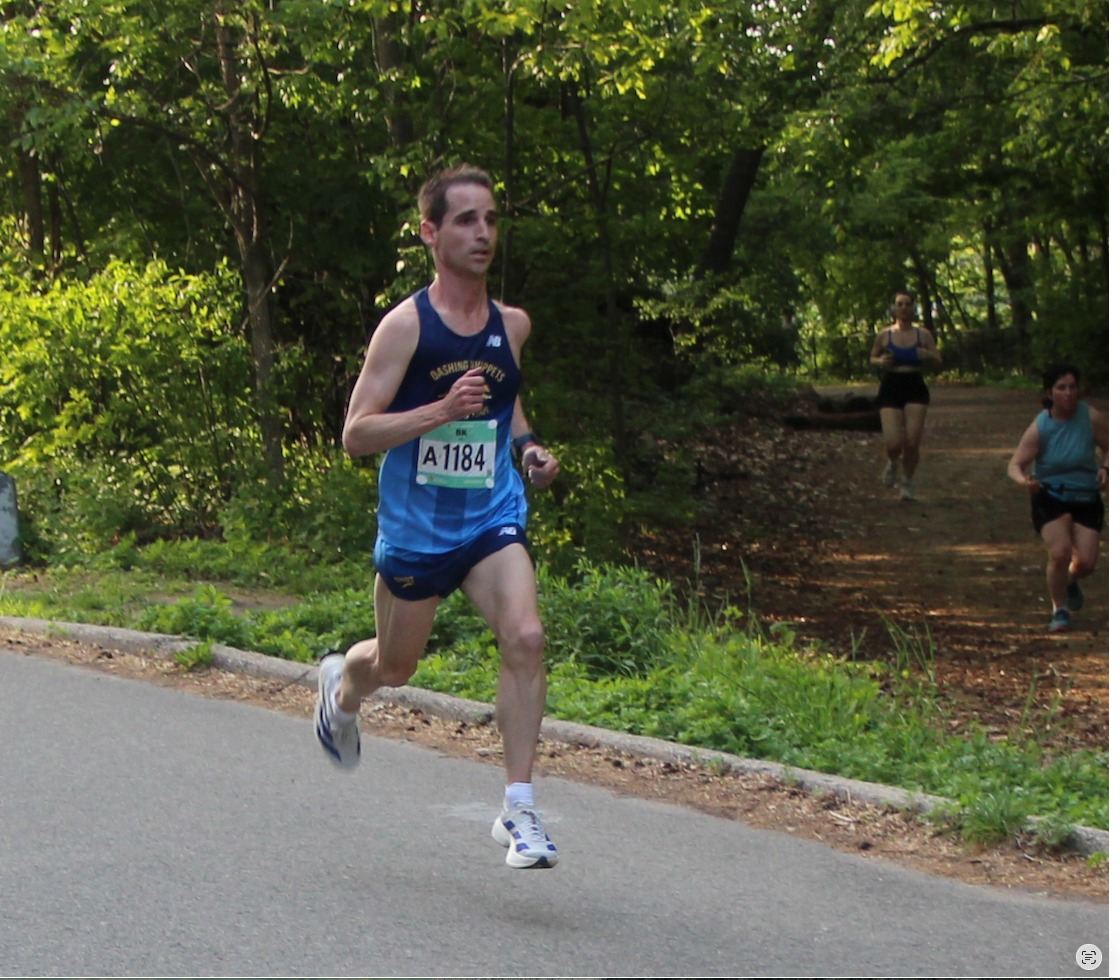
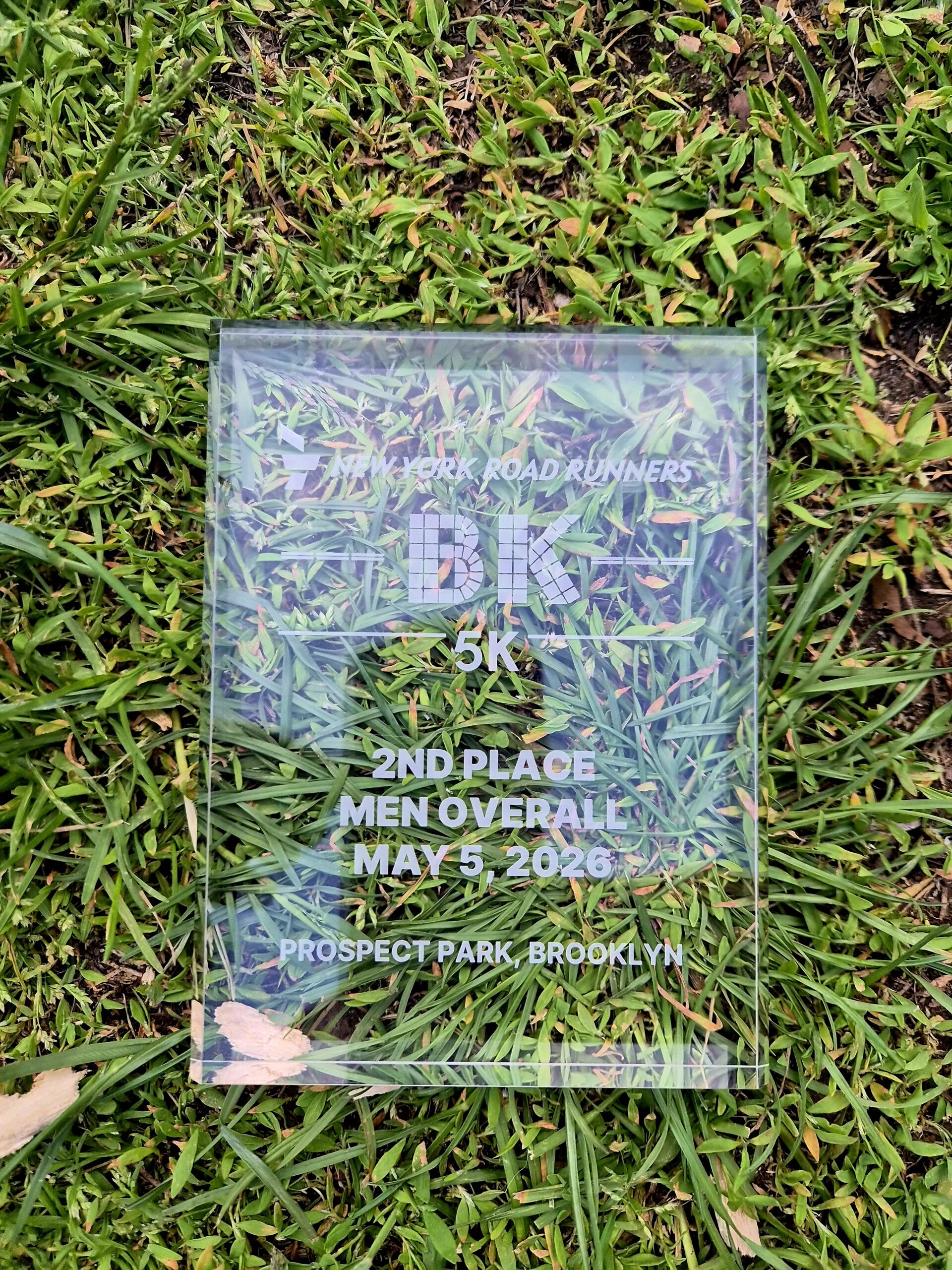
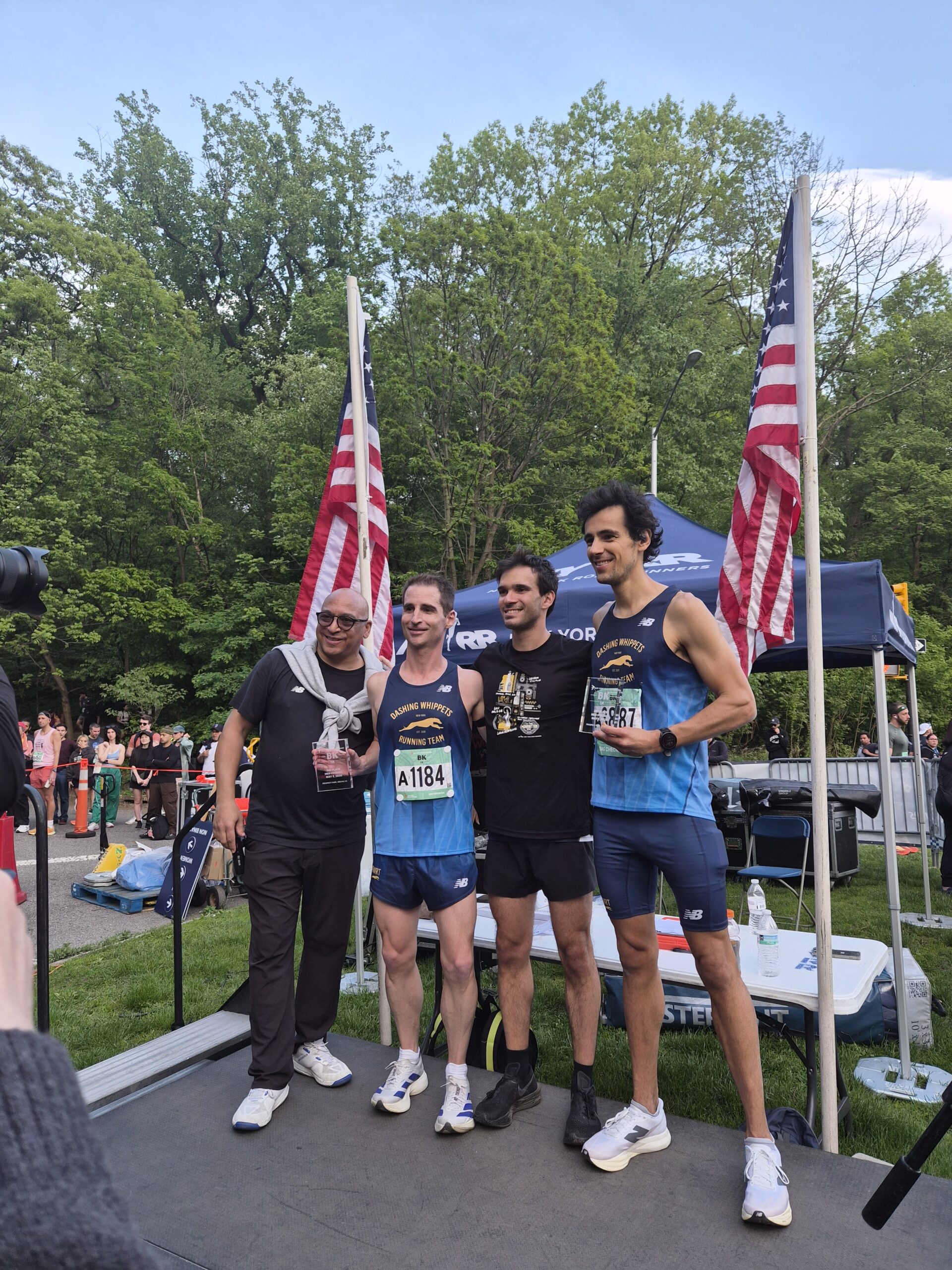
I took a brief vacation with my kids while my wife worked locums in St.Croix, USVI. I traveled back home targeting two races: The Brooklyn 5km in Prospect Park and NYRR’s Brooklyn Half Marathon. Yes, the 5k consisting of the same tired Prospect Park course with a 600 meter climb halfway. On paper, I knew I’d run faster, even with not having time to acclimate to warmer weather. I did run faster in fact, but the hard way. It turned into an actual race with me in the lead group. I wanted to maximize my chances to podium. I did not want to risk leaving the group, so we hit the first mile under 5:15 mile pace. In another situation, I’d pace more conservatively. Sometimes though, we need to push through to see our capacity.
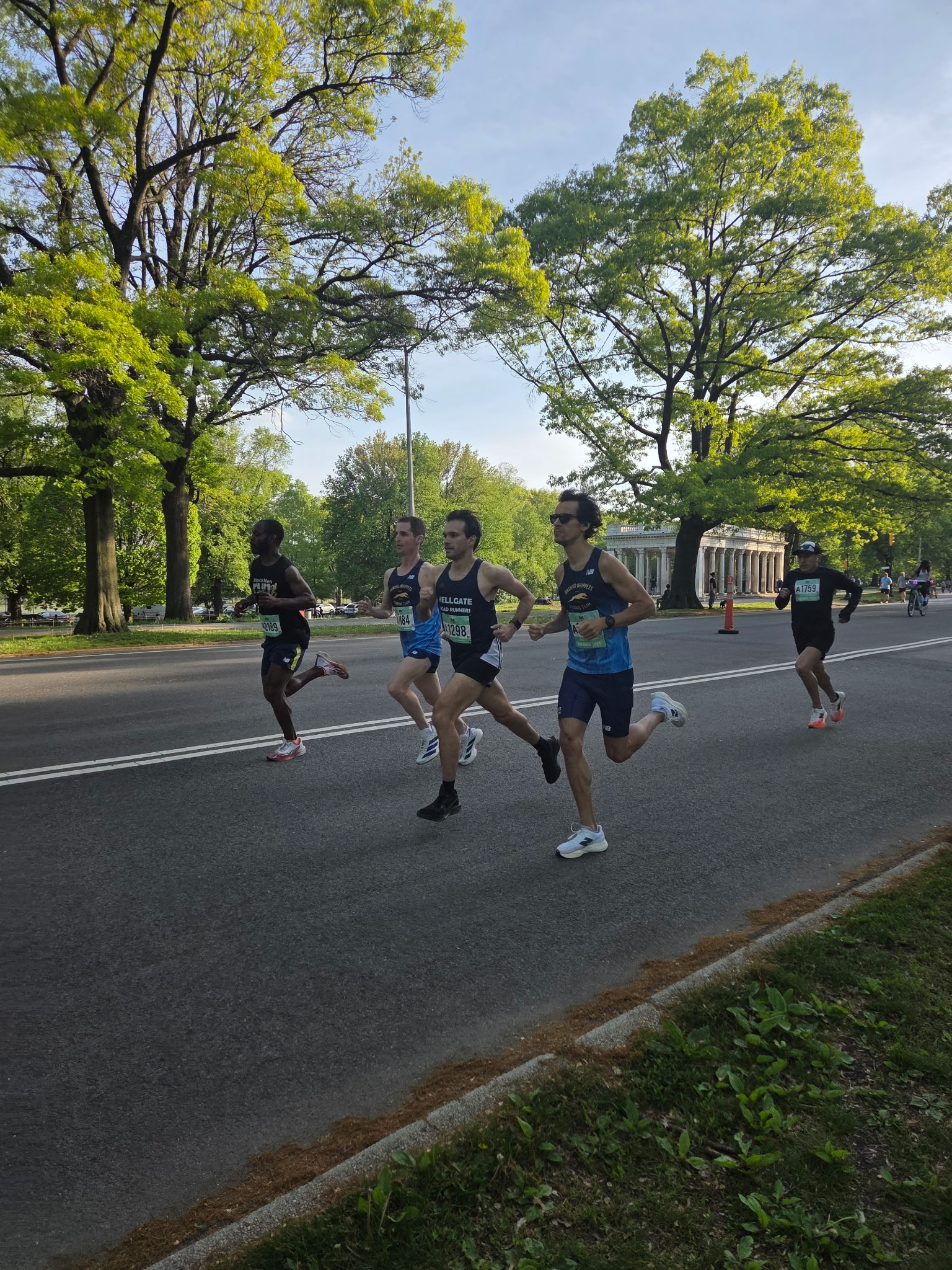
I slowed slightly up the climb confident I could hold pace to keep third place. I knew when to expend my energy on the uphill so that I could efficiently change rhythm on the downhill. A painful side stitch would not deny me moving into position 2 to earn my second NYRR podium! A battle hard fought that I’m proud to see through. Looking back at the data, I actually held a consistent pace after cooking the first mile, albeit slower. I felt optimistic for the Brooklyn Half a week later.

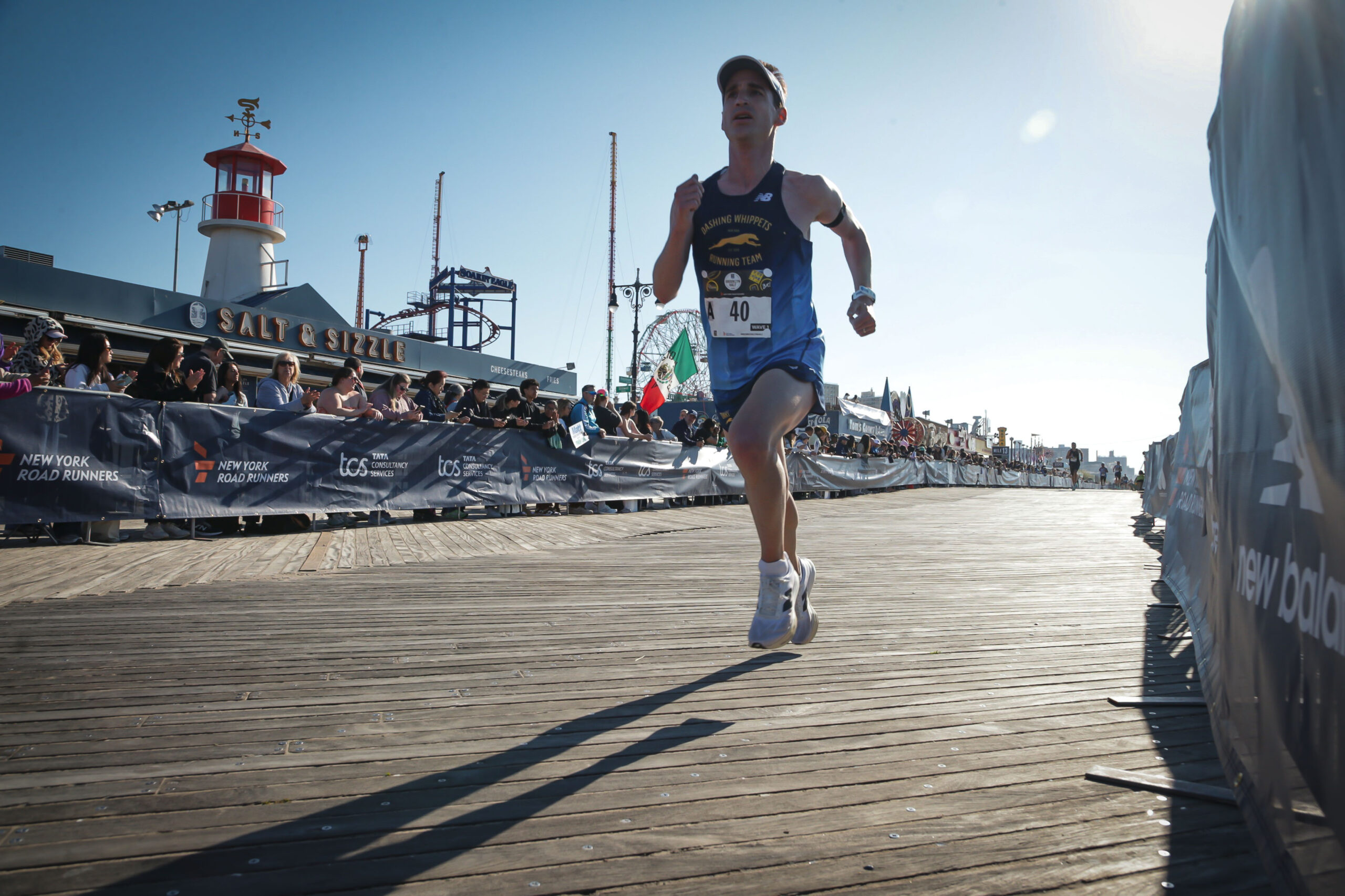
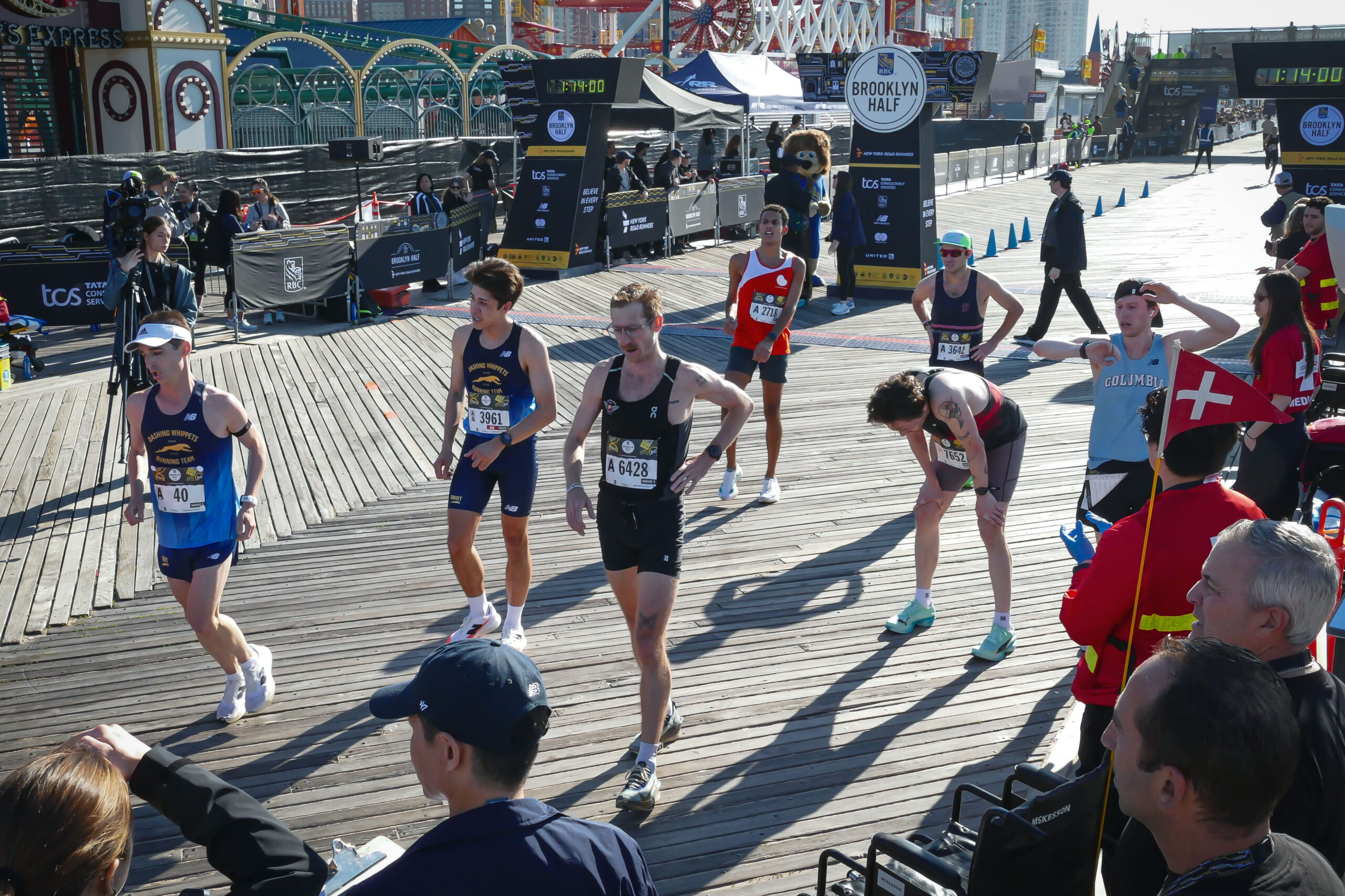
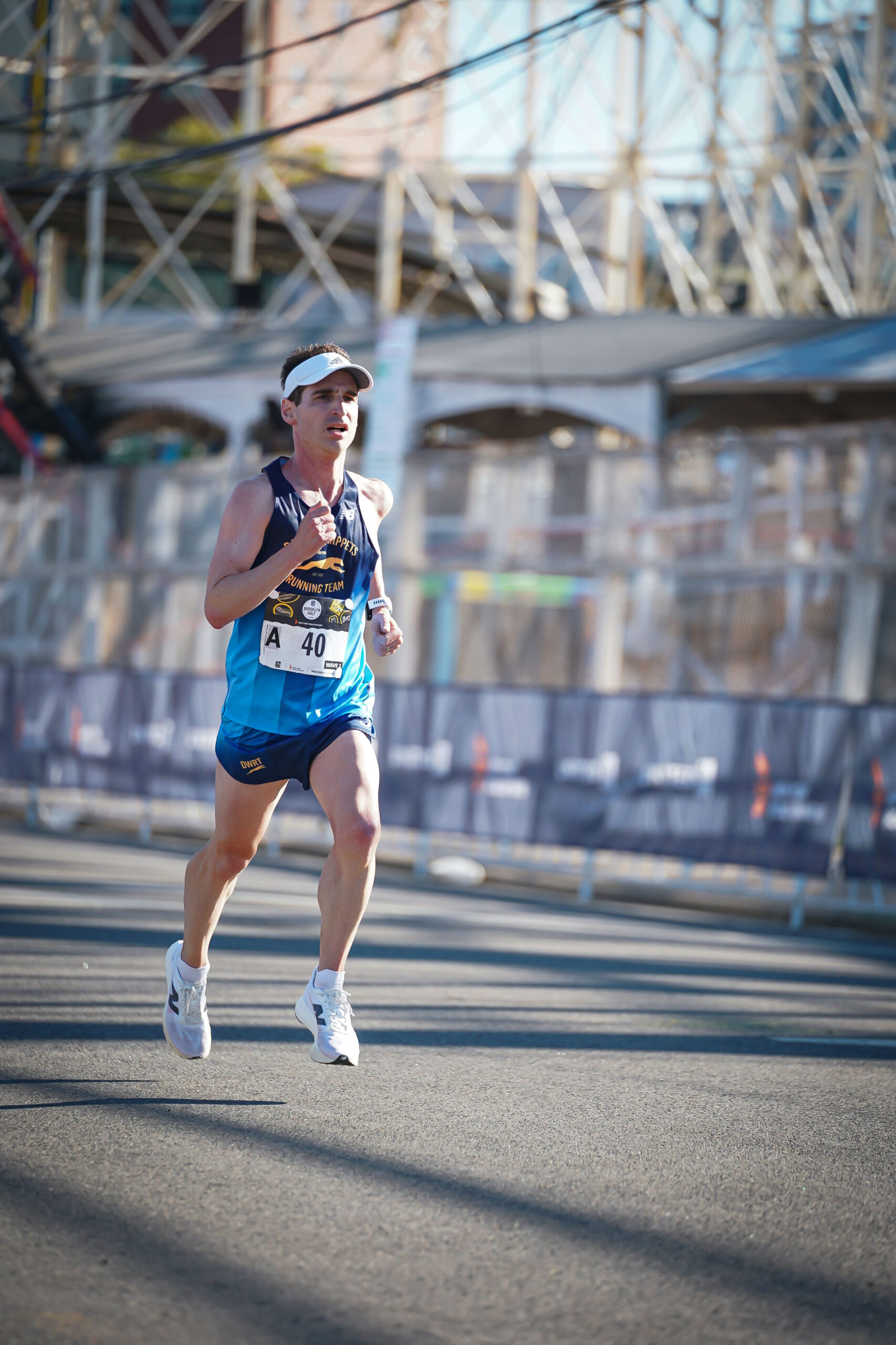
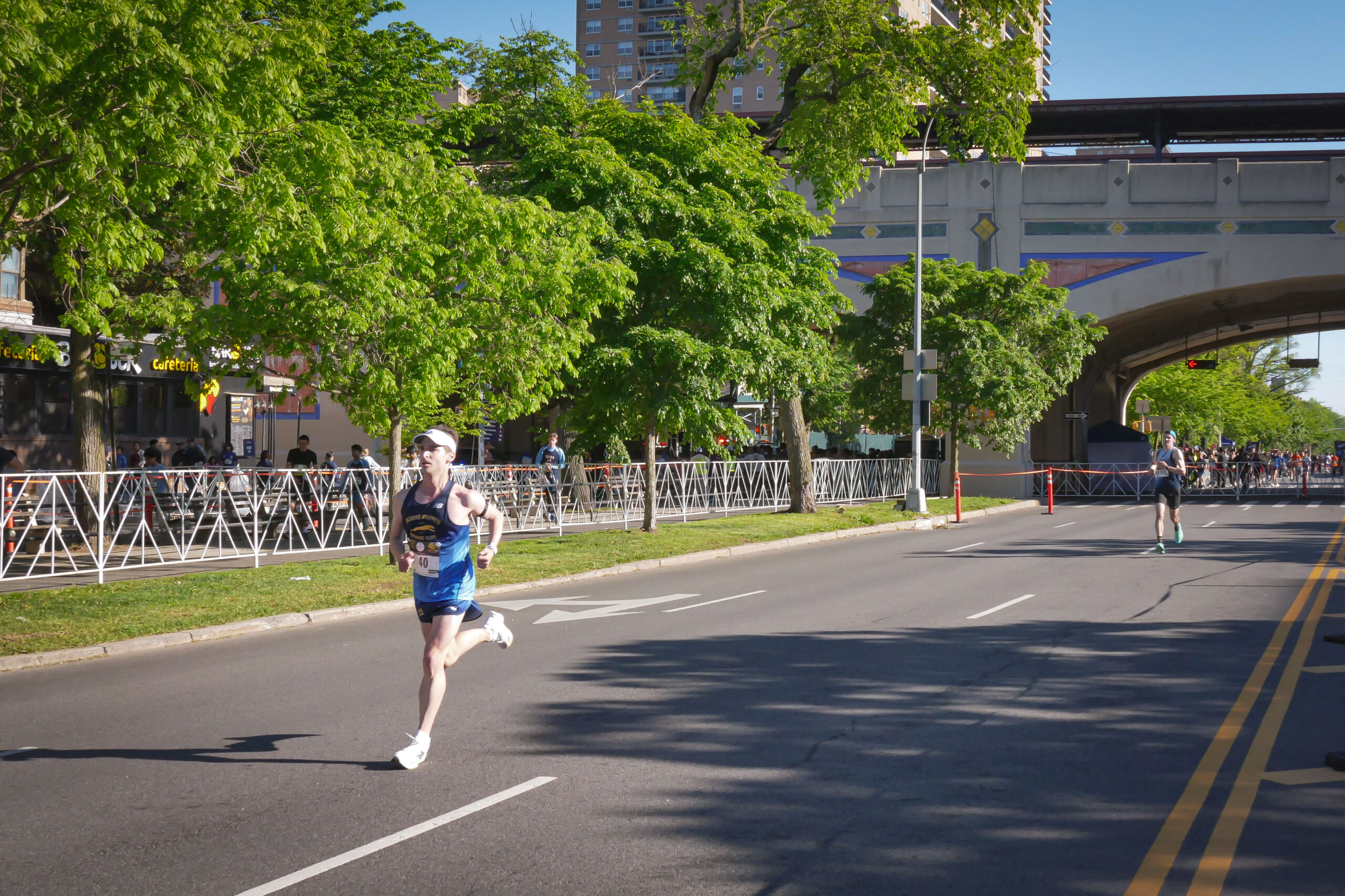
I drew bib number 40 for my sixth NYRR RBC Brooklyn Half. Very fitting for a soon-to-be masters athlete. So yeah, I had to do well since I never raced with a two digit number. My 12th wedding anniversary fell on the day, too. I felt confident with my pacing and ability going into the race. No pressure since I made podium a week before. I knew what pushing my limits felt like not only with the 5k, but with the United NYC Half in March. Knowing that feeling is very important. Surviving that feeling when you want to quit makes it possible to reach heights you never thought possible. Embracing that with fellow runners around makes it all worthwhile. I made sure to remember that during the final stages of the race.
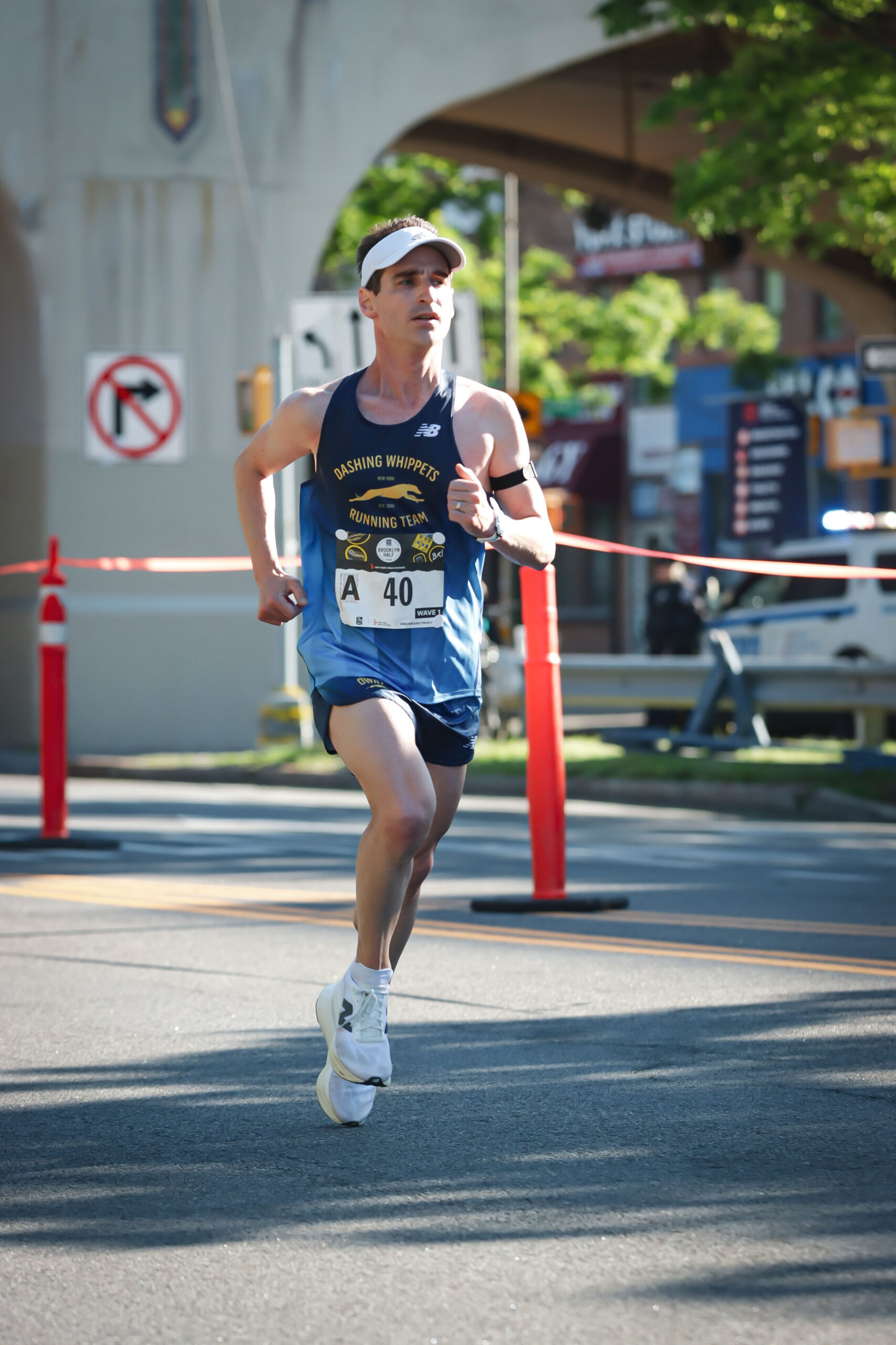
I paced my efforts well during this race. In typical NYRR Brooklyn Half fashion, the horn sounded and runners fought to make space out of the crowded corral. Although my watch read 5:00 mile pace during the first quarter mile, I knew the drill. Do not trip and make sure heart rate doesn’t climb above 160 bpm starting out. I settled into a rhythm after hitting the first mile. Exercising patience pays dividends for this race. Although not as humid as the previous year, pacing the first 10 kilometers correctly often determines how your race will play out towards the end.
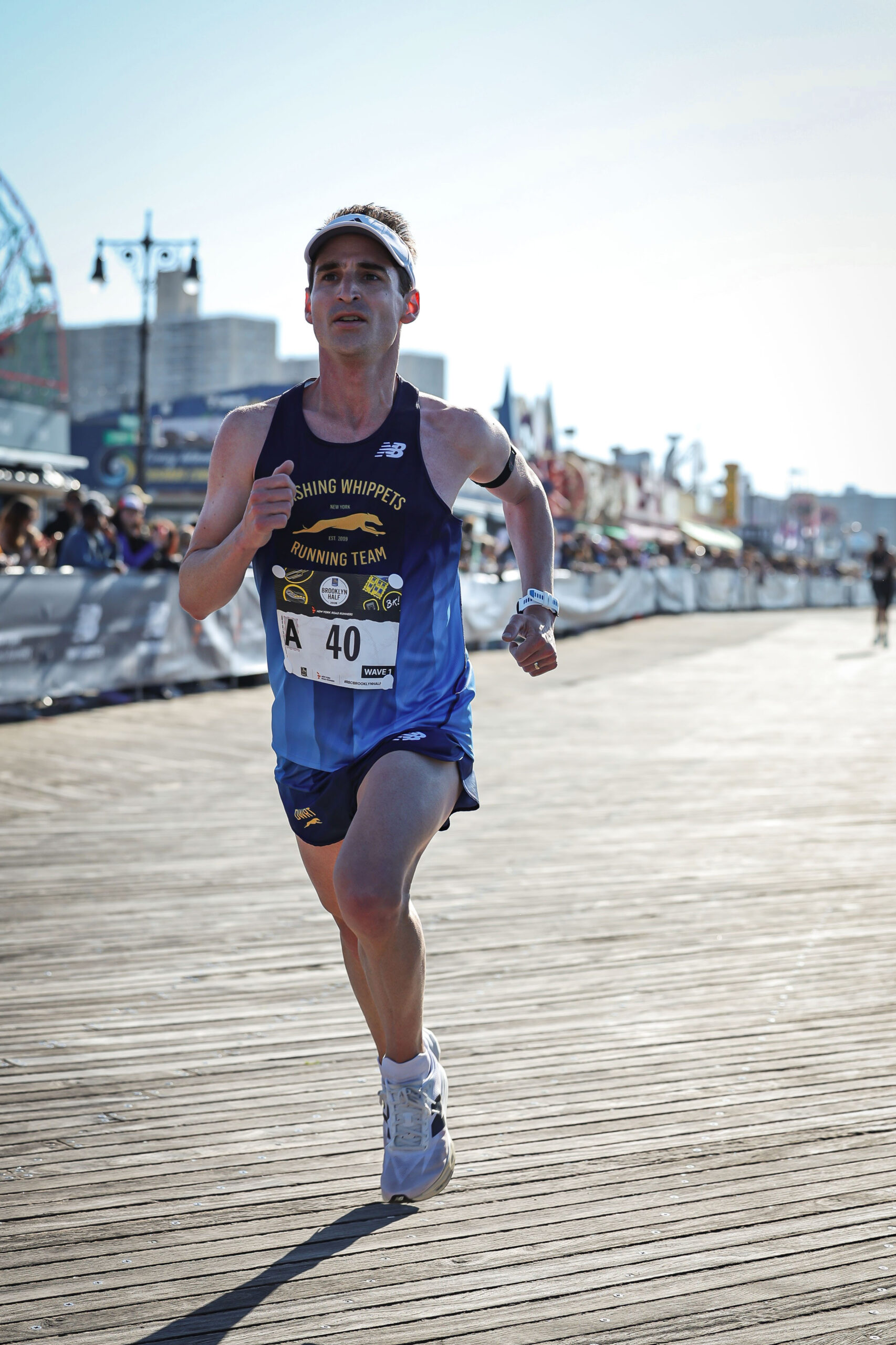
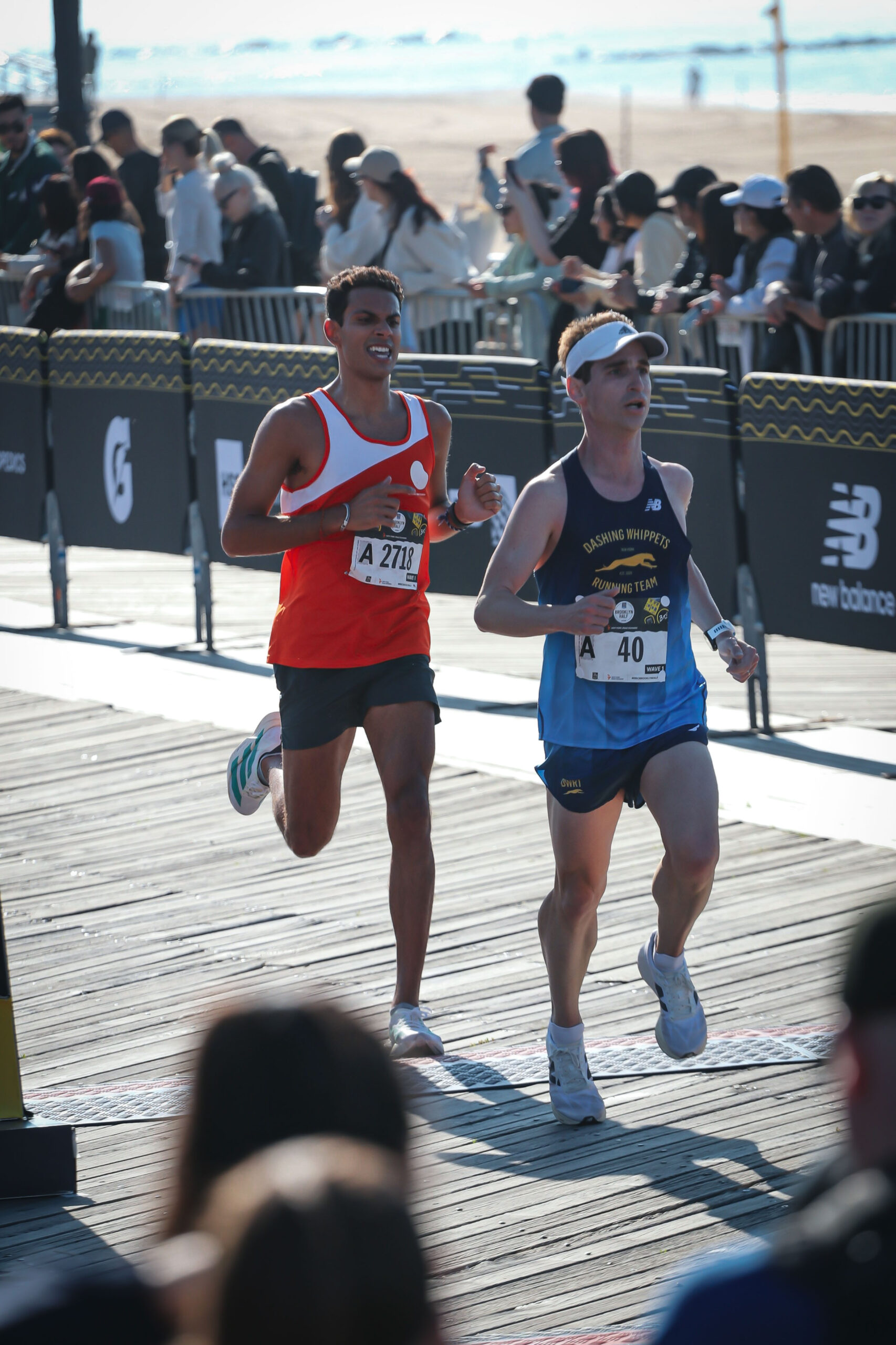
I sustained laser sharp focus entering and exiting Prospect Park. Taking an Amacx gel at 10k, I prepared to surge little by little on Ocean Parkway. I worked in groups; pulling back and surging catching the next group ahead of me. I increased my efforts to sustain my pace right before hitting the final 5 kilometers. Unaware of my time, I hit the final mile hard surging with 800 meters left. Poetically, I matched the exact same time to the second from the United NYC Half: 1:13:53. Exactly one minute faster than last year, too. Internal clock. I placed 92nd overall out of over 30,000 runners. The biggest half marathon in the USA, yet it feels so small because of the community of people I know here.
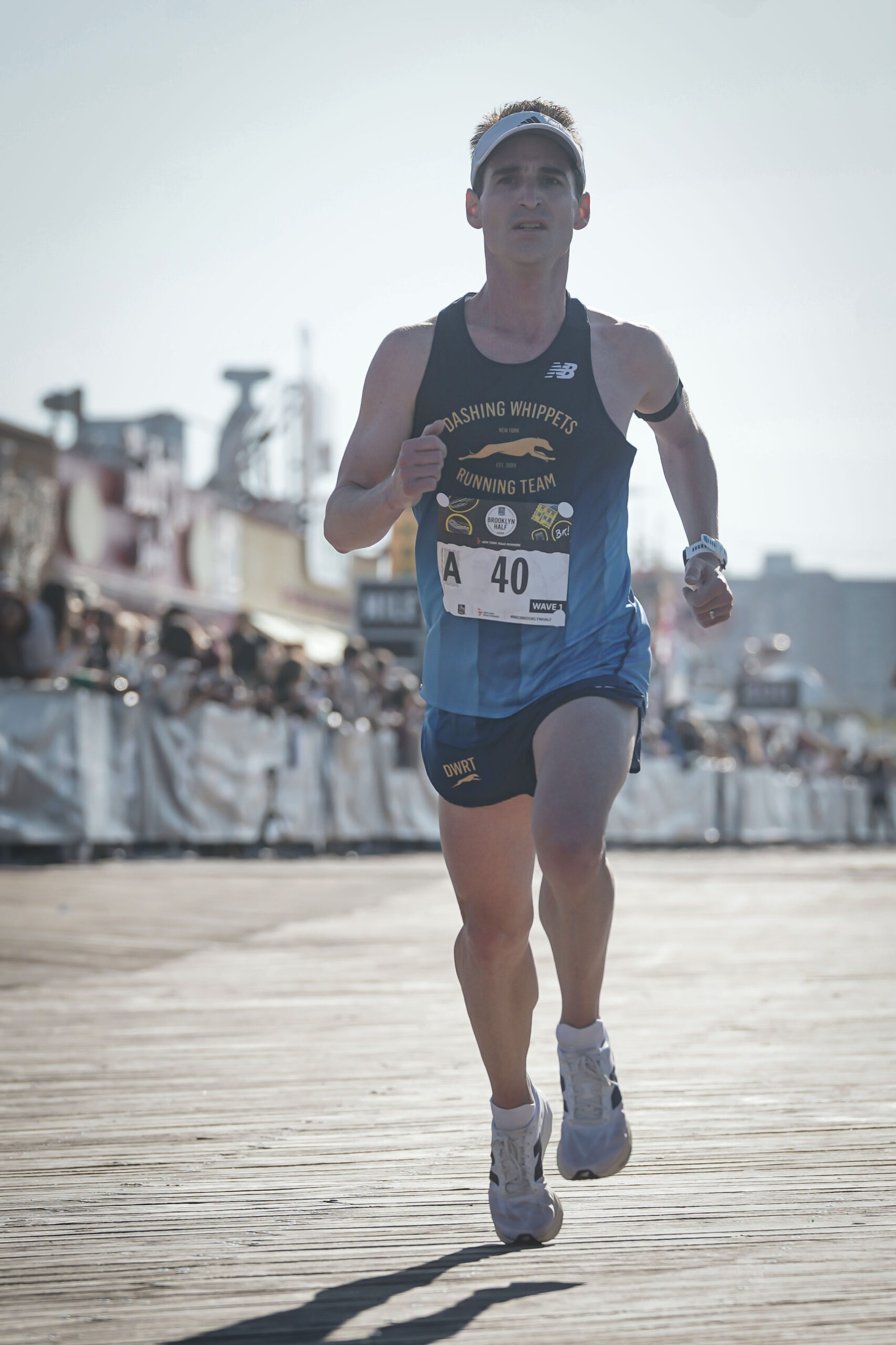
In retrospect, I would not change much about the execution of this particular race. However, I would have picked up at 400 meters out instead of at 800 if I knew my exact time on the course. That though is always hard to determine and see in the moment. The most important aspect I took from this year’s RBC Brooklyn Half is the mental game and patience. I will need that in dividends when it comes time to run the NYC Marathon this fall.
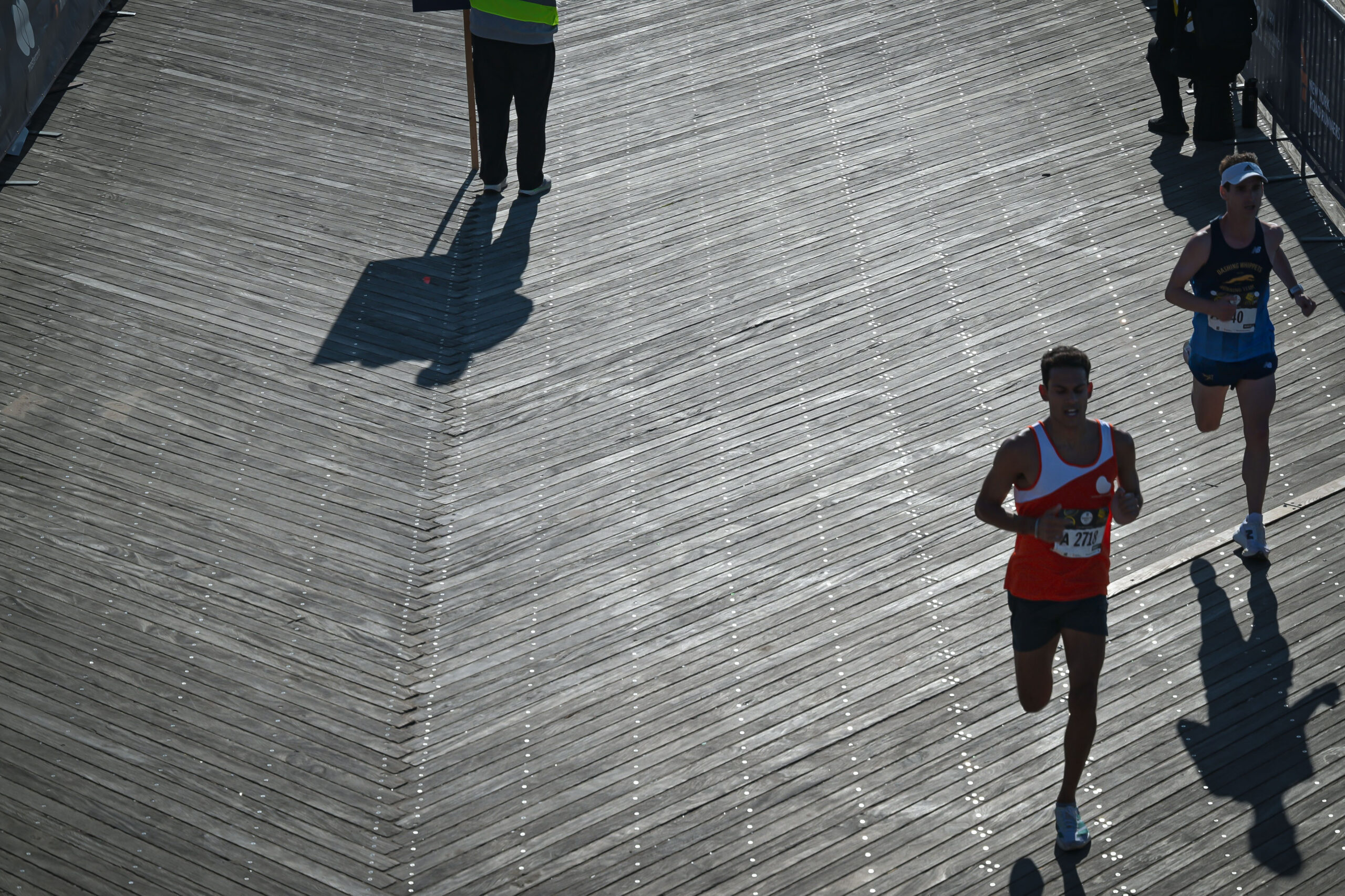
Overall, my training has progressed nicely this year. The goal now is timing while maintaining the momentum.
Thank you for reading!