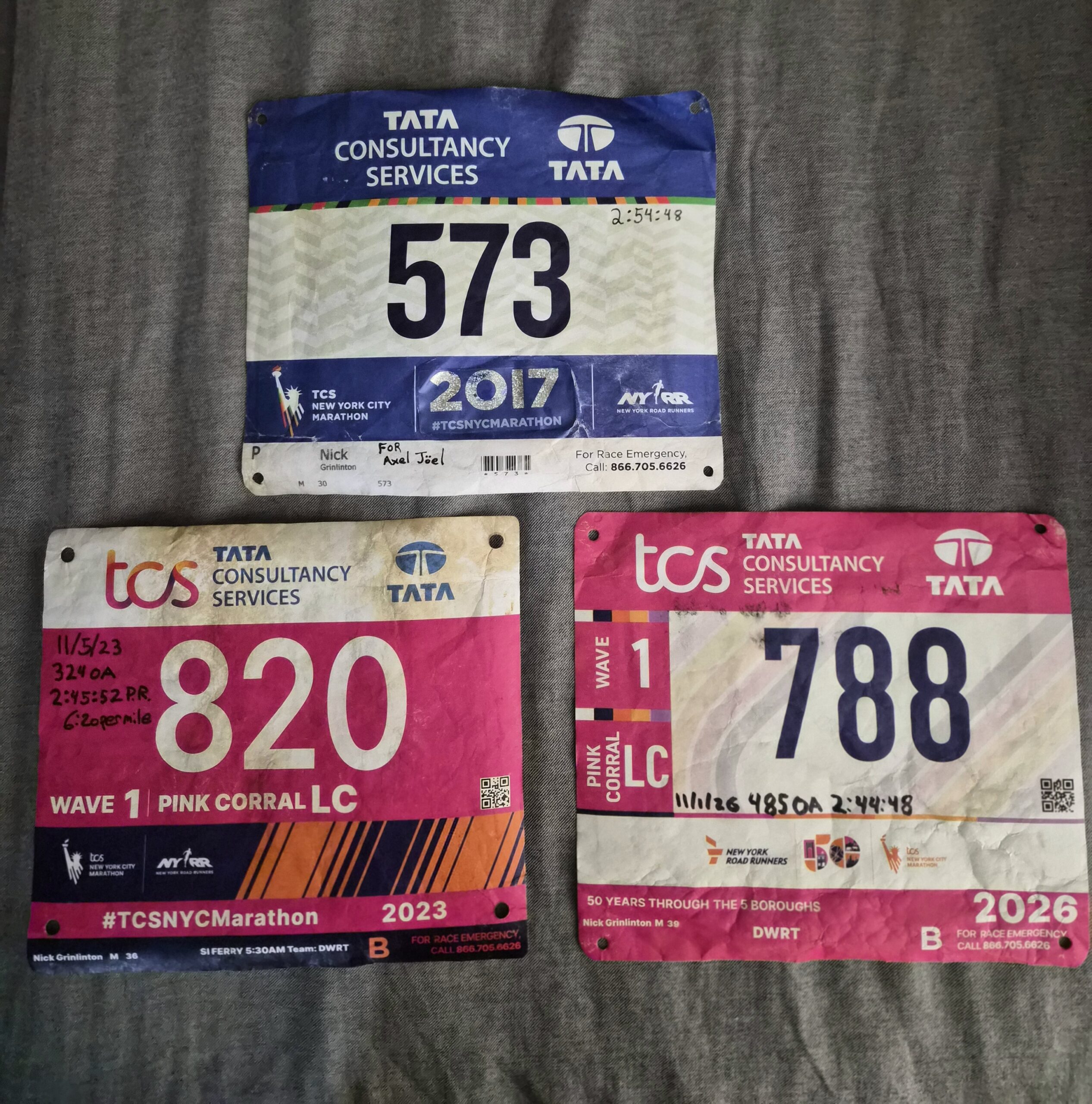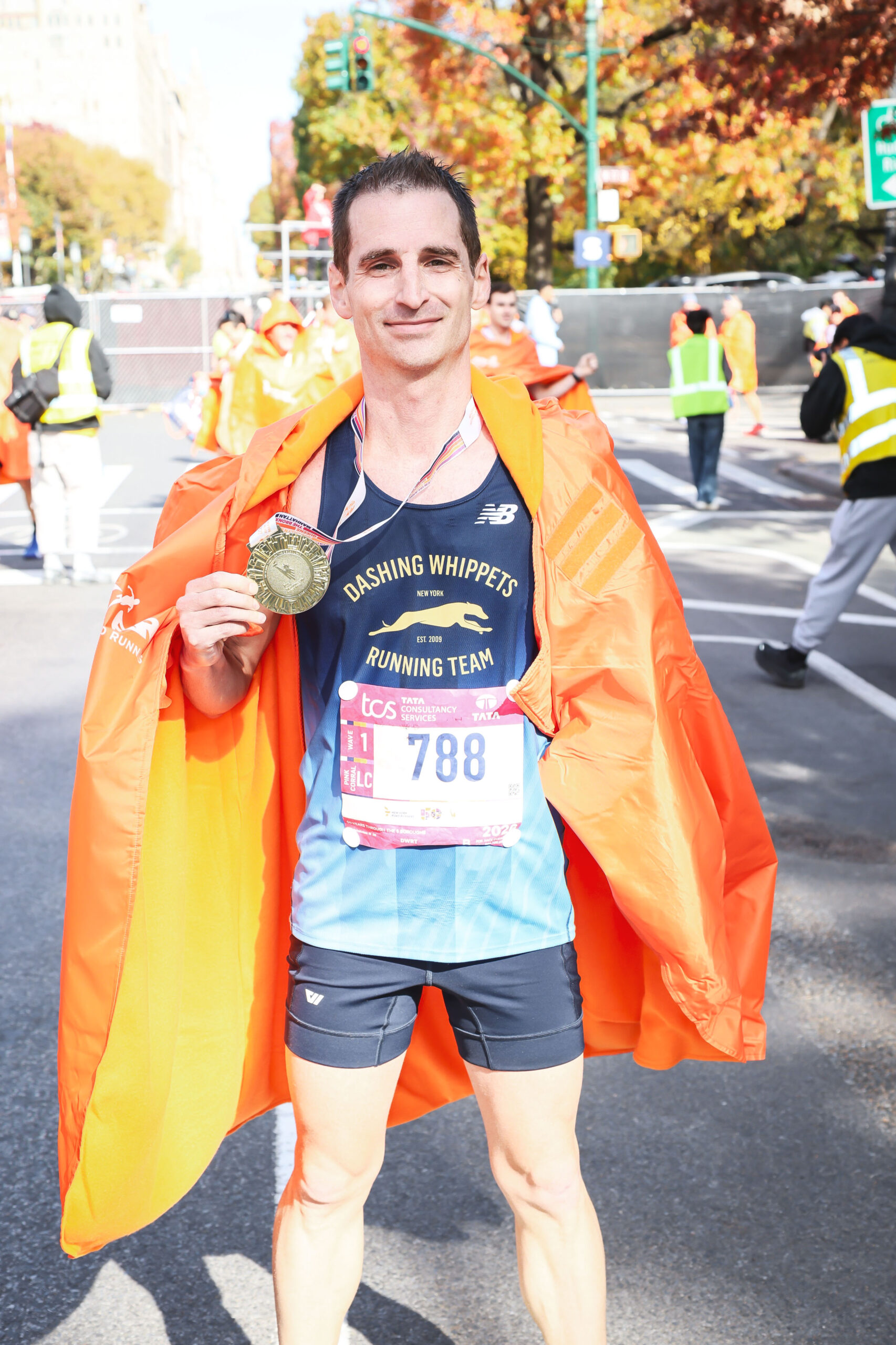
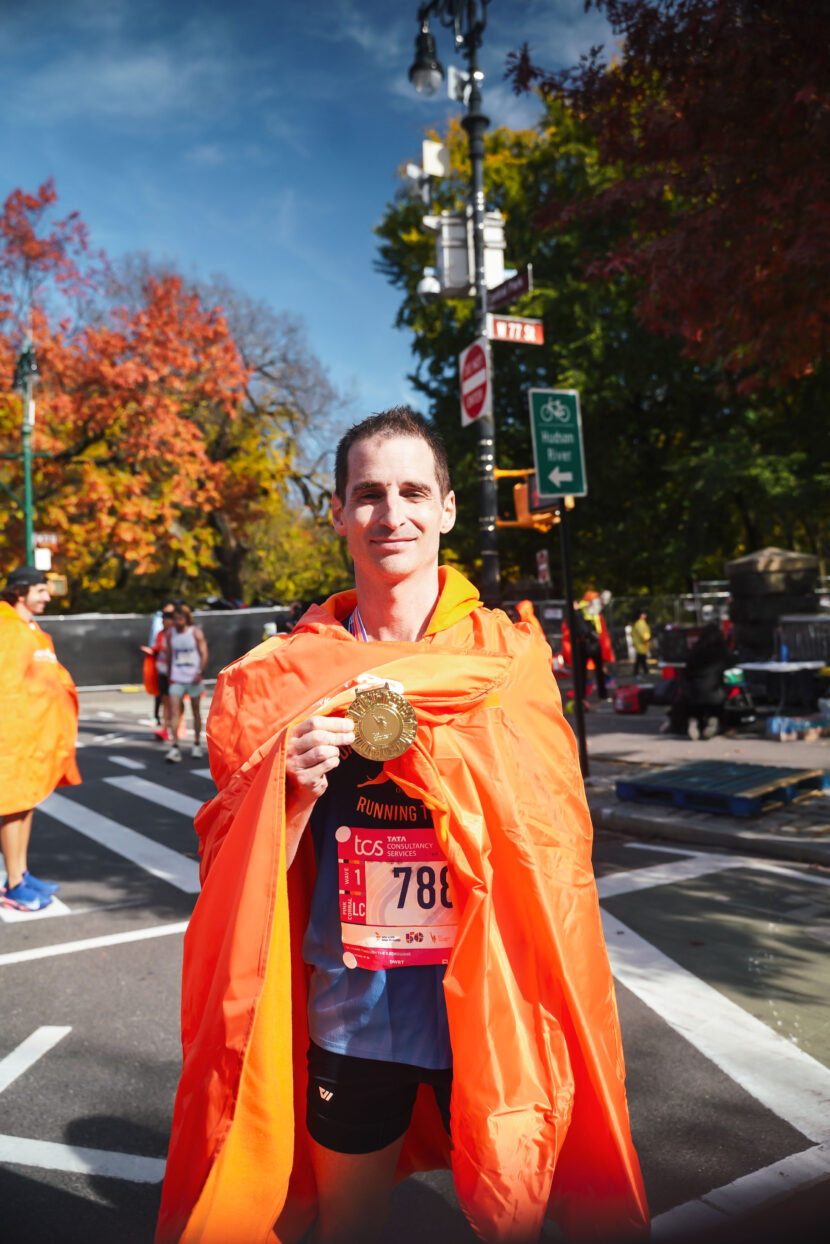
My 10th marathon and 3rd time running NYC. The recap of my 2026 New York City Marathon experience had all the struggles and triumphs that most of us experience with the process. 2026 overall I could describe as solid, but not necessarily groundbreaking in terms of seeing a huge jump in performance.
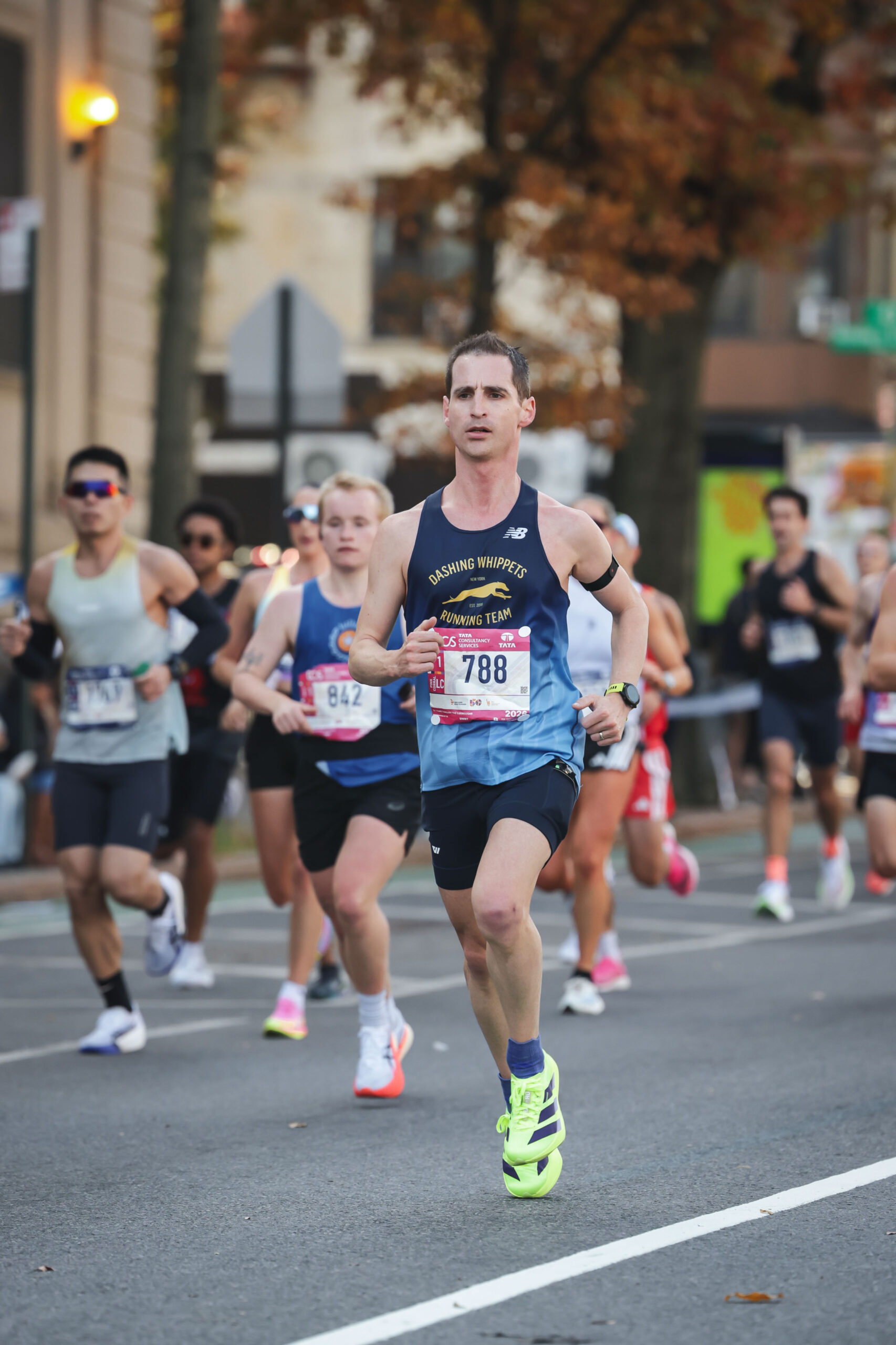
Yes, I did podium and place well in races. More-so, it seems like more of a continuation of all the boring stuff I adhere to in order to stay healthy and stack consistent weeks. Staying true to my 2026 theme of clarity and intent, I’ve really improved upon a lot of aspects that aren’t necessarily reflective of race times. Not that I need to go into fine detail on those, but I’m confident that I’m traveling in the right direction with hitting my goals.
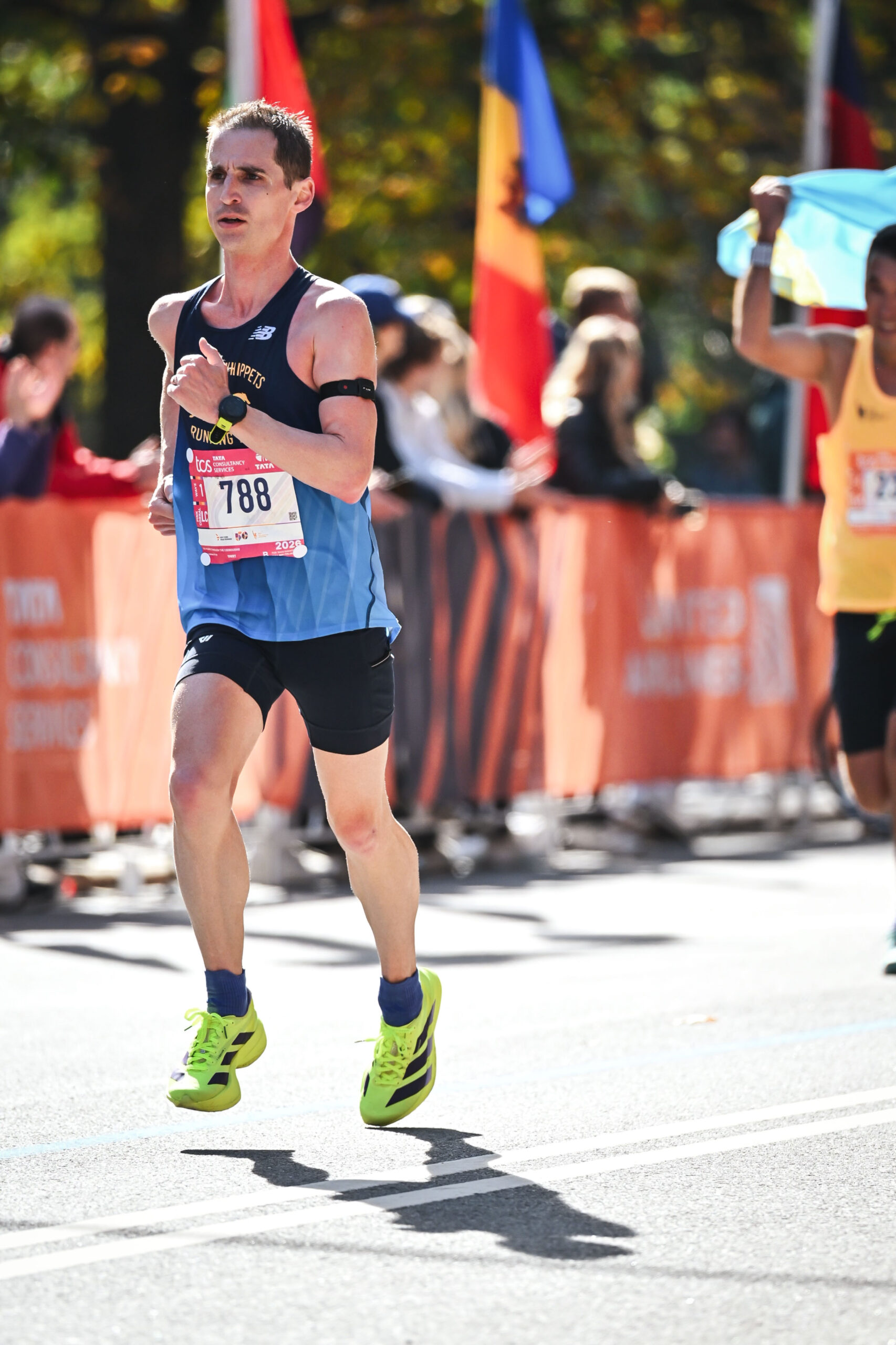
I felt a turning point going into the final six weeks of my training. Stride power increased. I also produced energy more aerobically rather than relying a lot on anaerobic glycolysis. My lactate curve definitely shifted right as a result of pushing everything up from below. Thus, 70+ mile weeks actually felt sustainable.
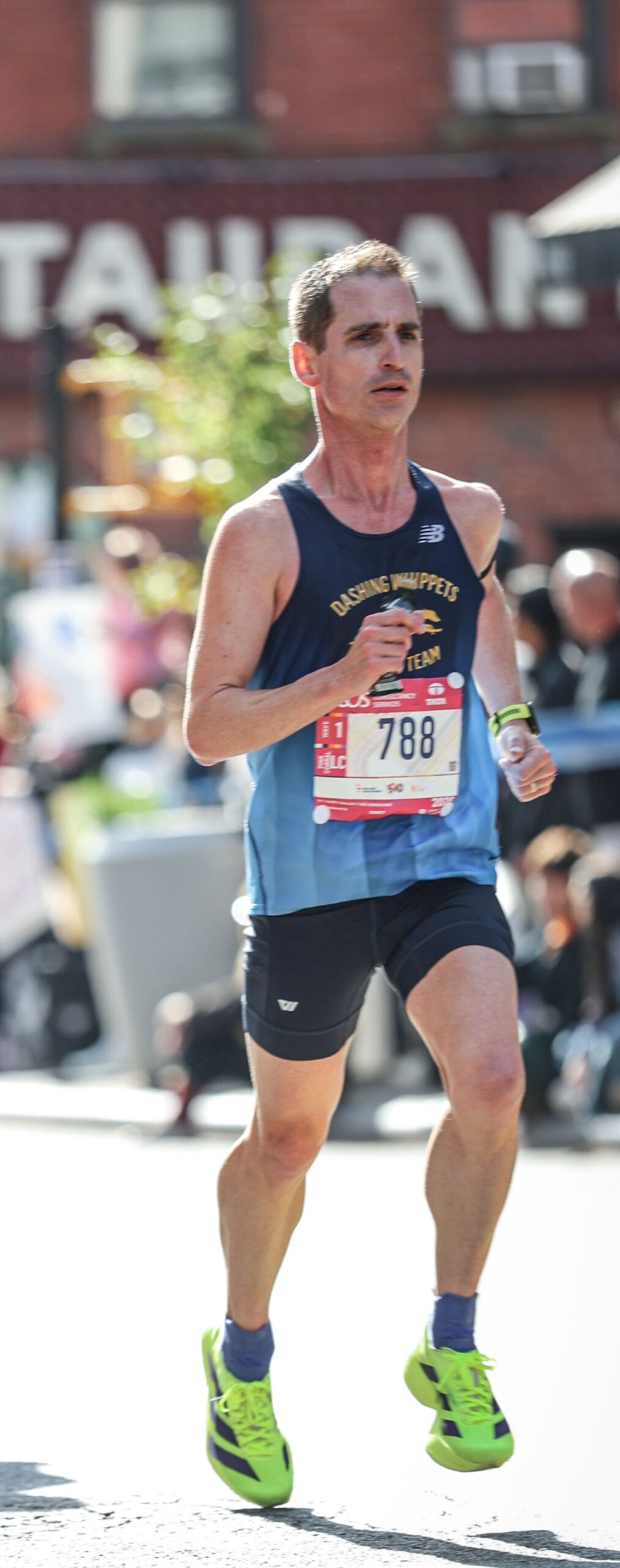
Although I felt a change of fitness, entering October I felt a little more fatigued than usual from the typical training volume that the marathon requires. I felt tired, but not beat up coming off my two biggest weeks in volume at this time. Hitting 80 miles one week came as a pleasant surprise as I had not hit that steep of volume since early 2025. Difference being, this felt much more sustainable than previously, even as a 39-year-old. I took my fatigue cues to make sure I consumed enough carbohydrates. Last obstacle I need to deal with is RED-S and stress fractures.
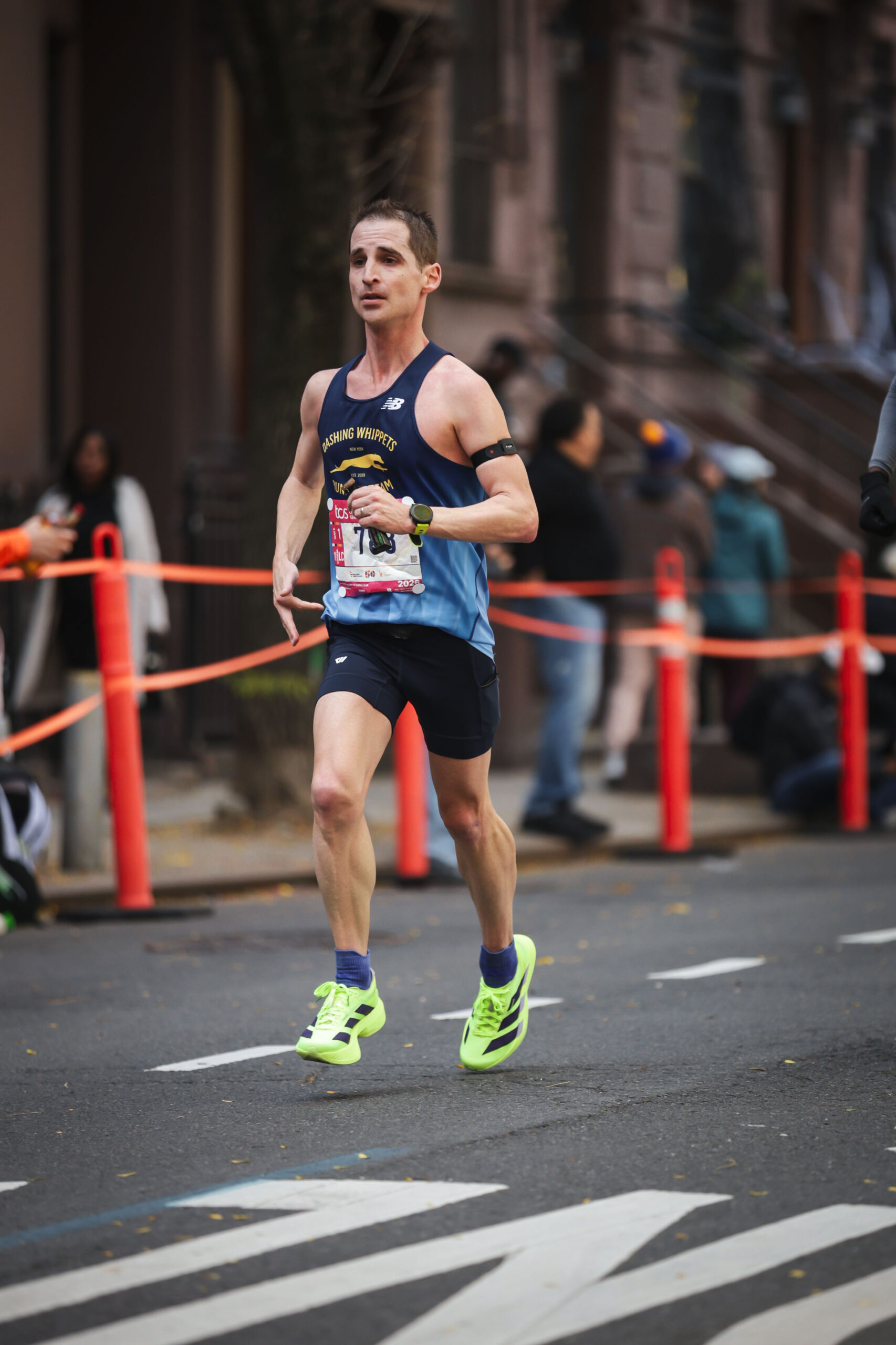
Why does this volume feel sustainable now? Much of it comes down to emotionally regulating myself to train at the proper intensities to stack consistent weeks. I know my needs concerning my own physiology, psychology and movement patterns. Thinking six months to a year down the road rather than six weeks helps, too. Feeling relaxed and confident, I maintained a degree of humility (anything can happen). I knew roughly what I could run, but did not broadcast it for the world to hear. Perhaps coy before the start, I just know how marathons can unfold in an unpredictable manner, even with achieving the best training block in practice.
The difference in my confidence this time around: I KNEW enough factual information about training and what to look out for after a decade plus of experience. I could ignore all the noise and not second-guess myself. Admittedly though, I felt a bit worried after running a subpar 5k four weeks out. I let it go (only a 5k). Chalking it up to a mild cold and an incorrect course clock, I continued to stack training throughout the final specific phase of the block. Improvements occurred everywhere else in training. Even if I fell short of my goal, building fitness would continue.
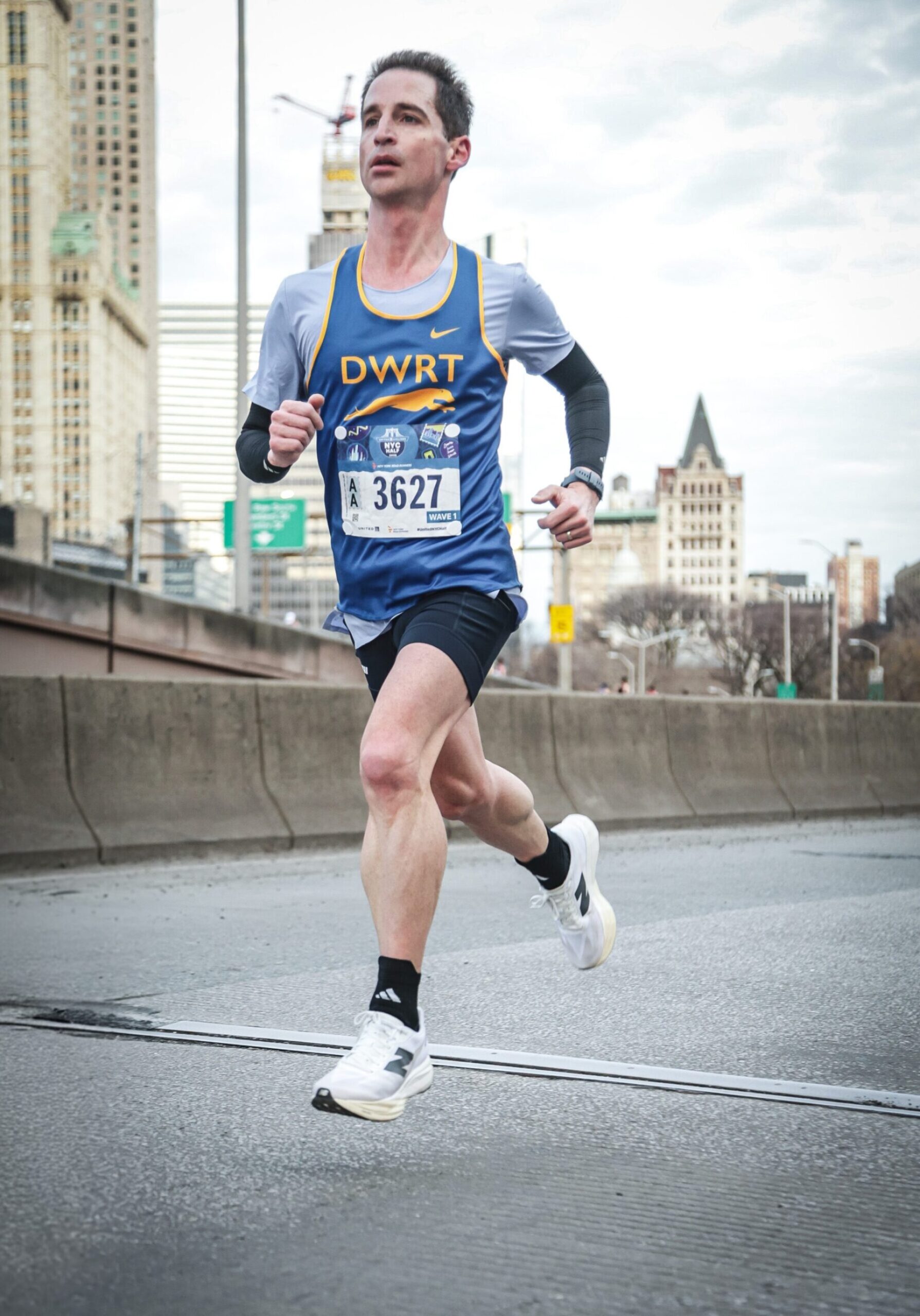
Since workouts do not mean much in isolation, I pieced each training run together as a whole with a purpose. Emphasizing the rhythm of this particular course, even efforts rather than even pacing became the focal point. Running 17:34 for each 5k earlier this year at the United NYC Half confirmed that I could run exact splits on non-flat courses. Of course hitting exact splits wasn’t the goal, but more of an outcome of staying efficient and in control. With a high enough aerobic ceiling, I hoped to call upon those reserves later on with proper course management.
The last four weeks deemed crucial to narrowing down what I could run on November 1st. Everything had progressed slowly, but nicely. I hit and sustained my highest CTL of the year. I achieved the prerequisite amount of weekly volume required in order to complete the distance. Feeling a sense of relief when I completed a key session 20 days out and recovered well from the effort, I pondered the million-dollar question: what could I actually run on this specific course?
Lining up in the local competitive corral meant starting on the lower level of the Verrazano Bridge in Staten Island. The first time running it in 2017 during the Peter Ciaccia years, I felt like a Sweathog from Welcome Back Kotter waiting to start down below. Actually quite entertaining! Everyone underneath kept joking around during the serious presentation on the upper level nine years ago. This year seemed quieter. The lead-out with JROTC added a nice touch, though. The start felt ok as I tried to conserve energy early on to prepare for the back half.
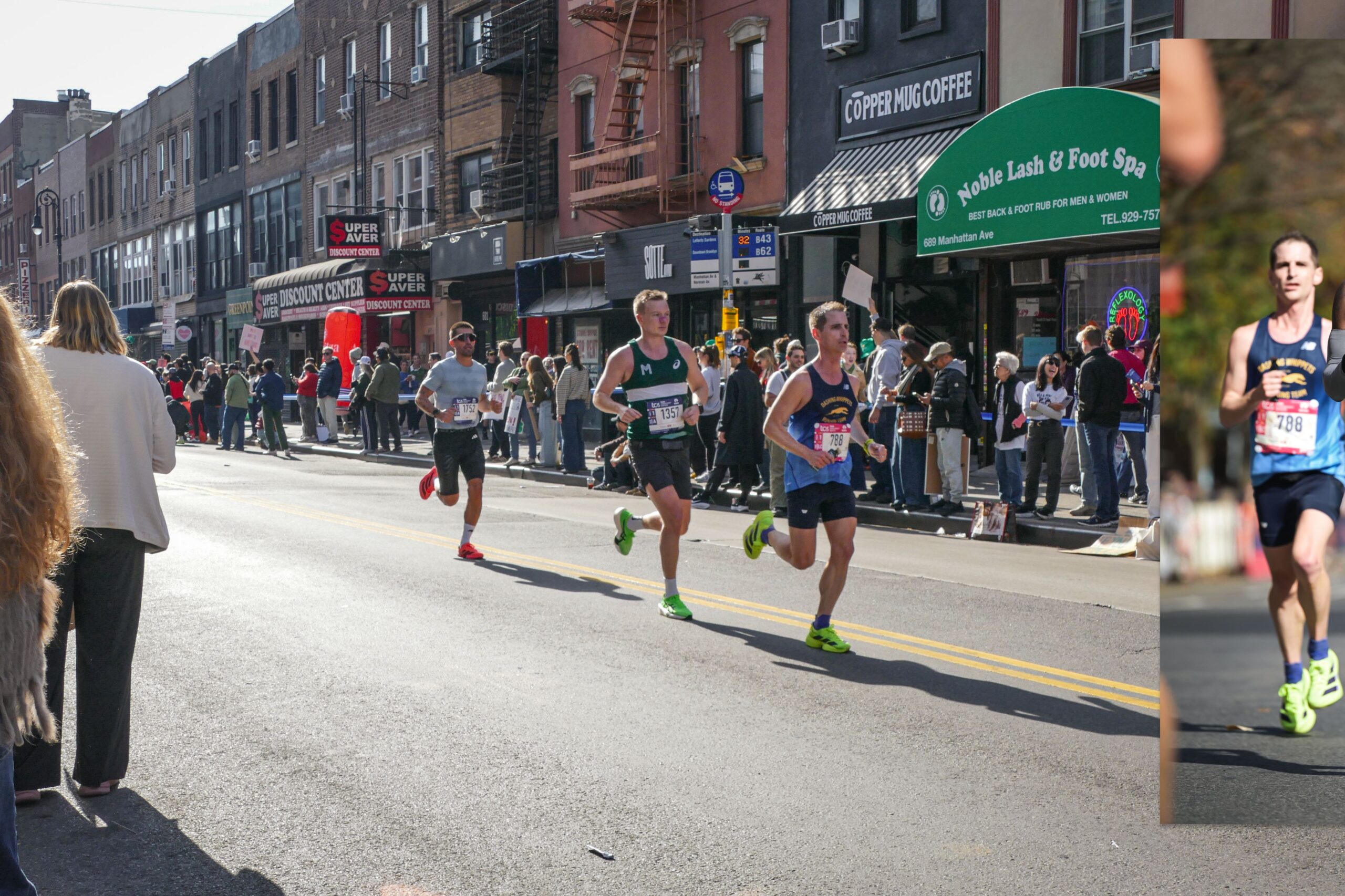
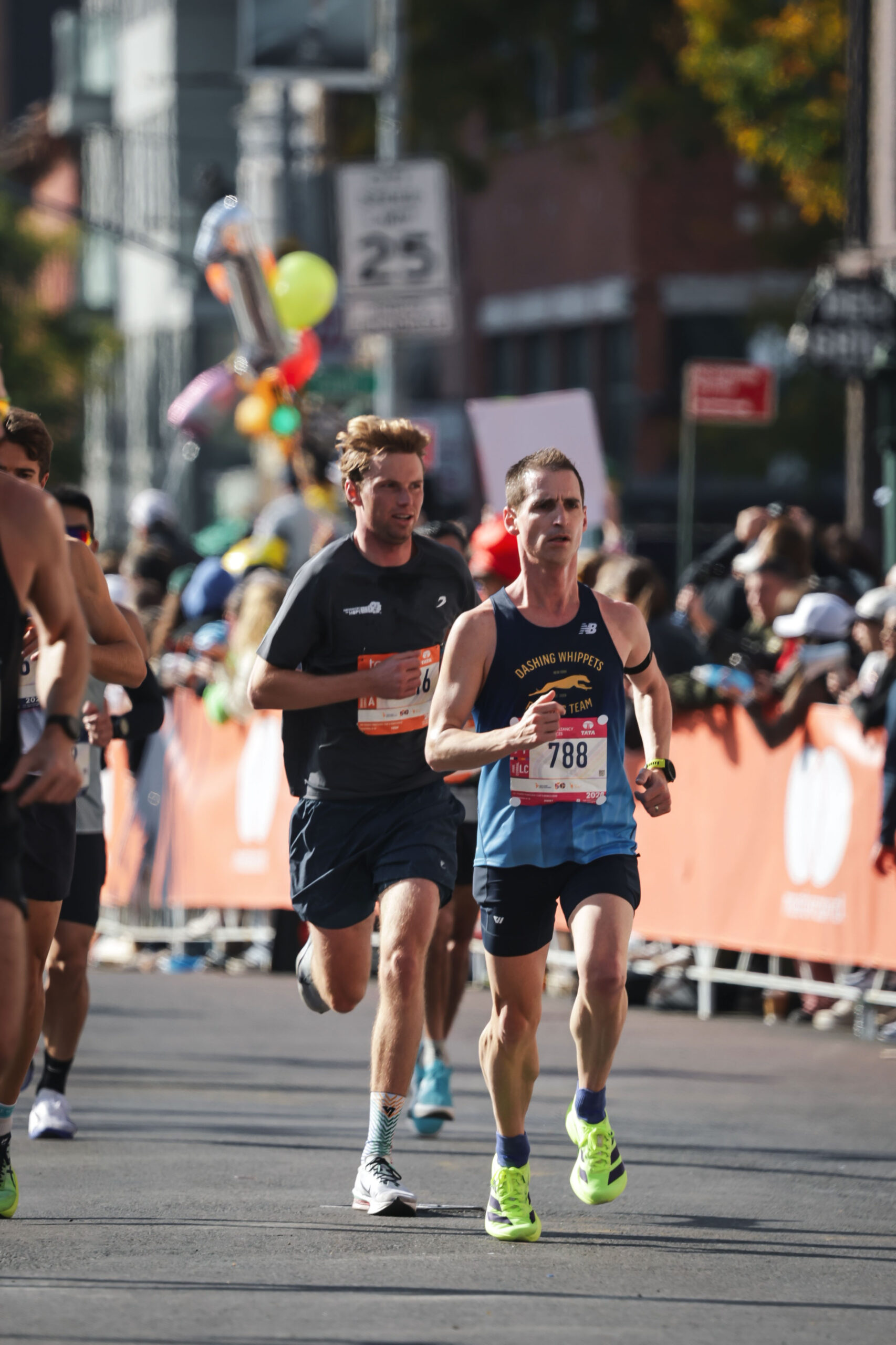
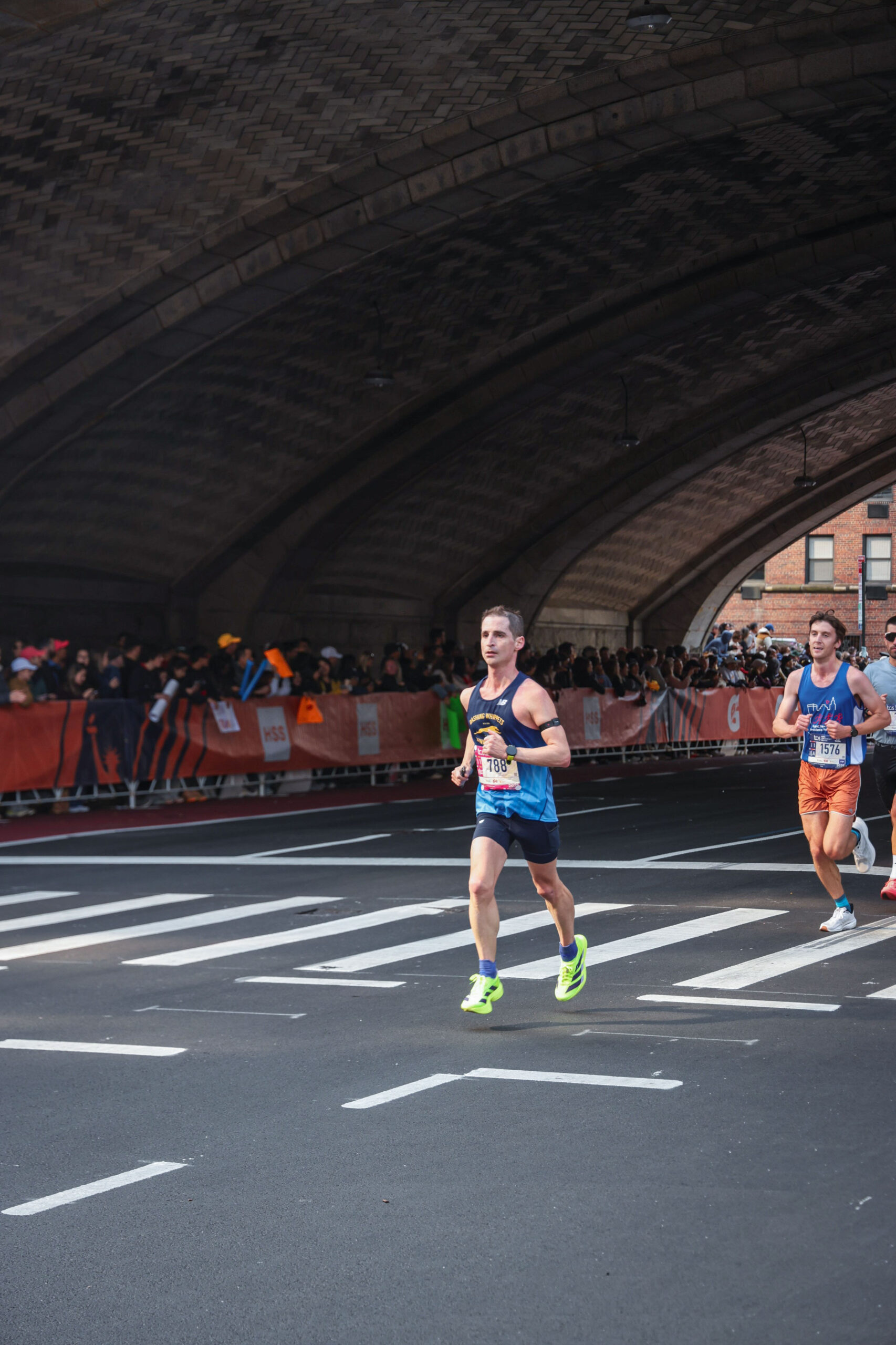
But sometimes the best plans do not work out. I gave myself the best chance of trying to set a personal best, but the back half still beat me up. Though, not as bad as my previous two attempts. First half pretty much went to plan crossing through in 1:19:55. I kept everything controlled while taking a 40g gel of carbohydrates every 20 minutes. Fueling a massive 120g per hour with Amacx gels worked extremely well for me, even towards the end of the race. No GI distress! However, the back half packs a punch in typical NYC fashion. Especially on the Queensboro Bridge no matter how many times you’ve run it.
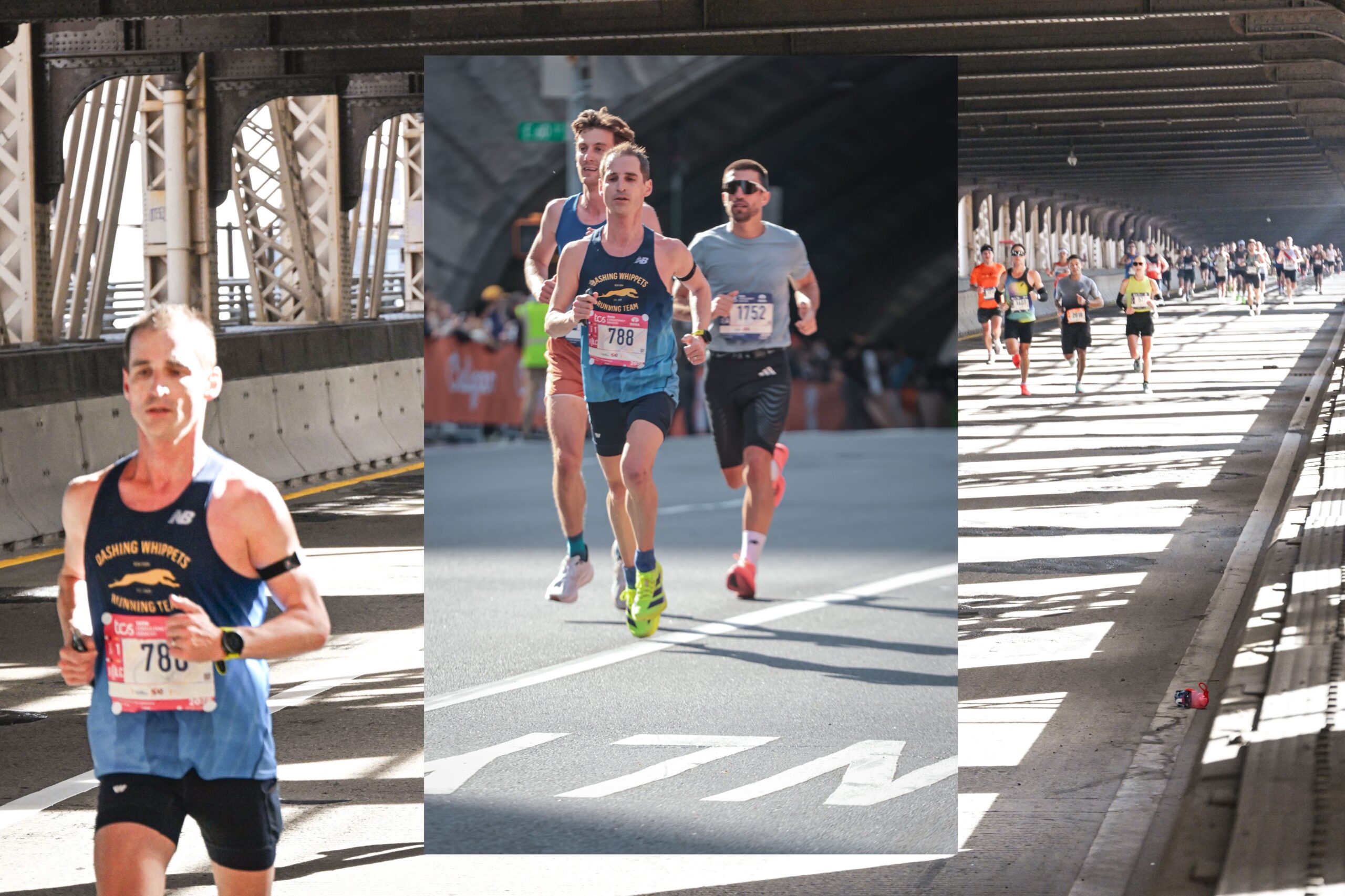
Further and obviously, what worked for me on a flat course does not compute with this particular course. I lacked the power to deal with the final 10 kilometers of the race. Also, that 5th Ave climb seemed much longer than I previously remembered. Handling warmer weather with undulating courses usually isn’t an issue for me. However, I don’t have the capacity to do that in the marathon, at least not this one. Not yet anyway. More resiliency is needed.
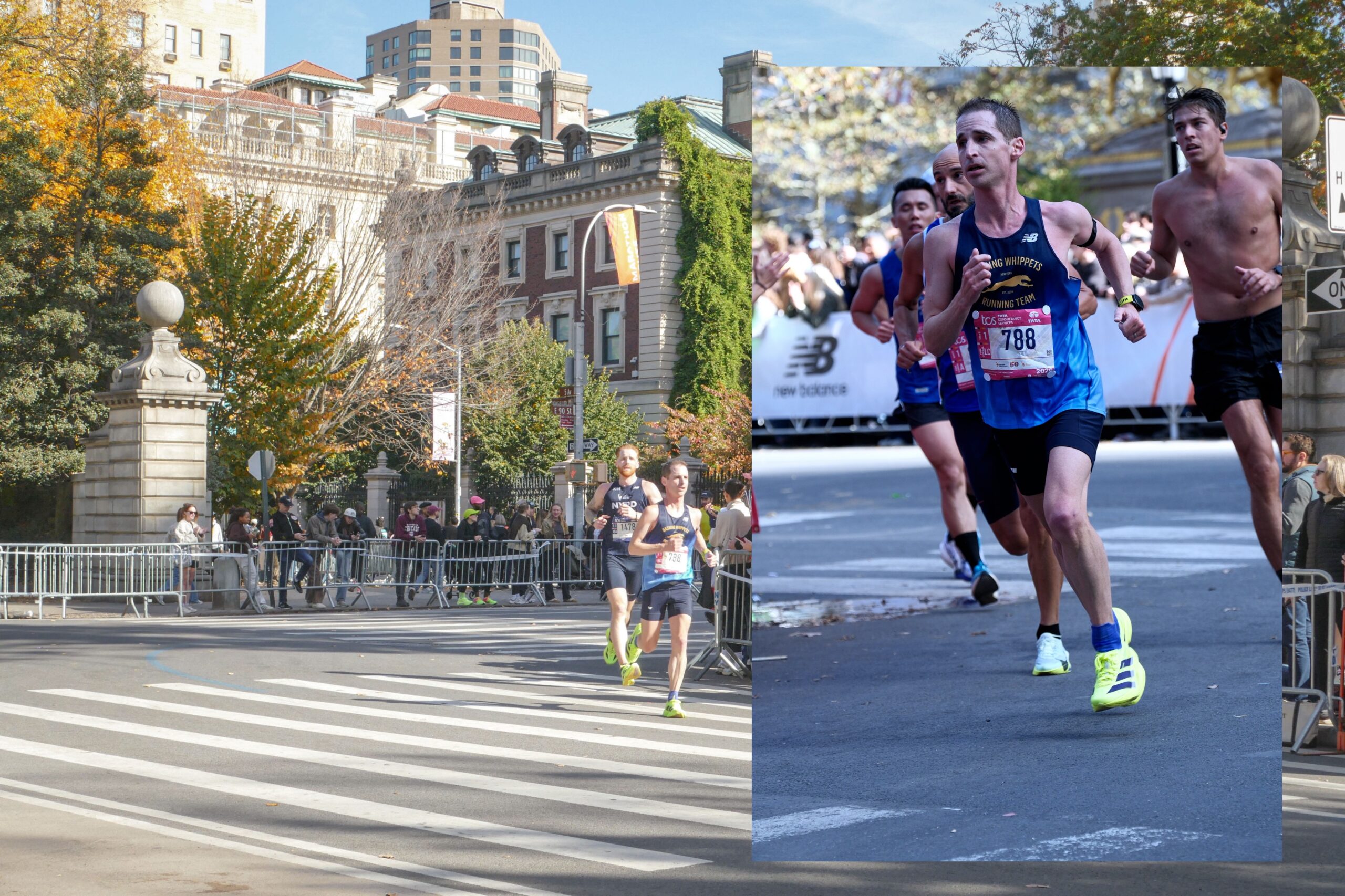
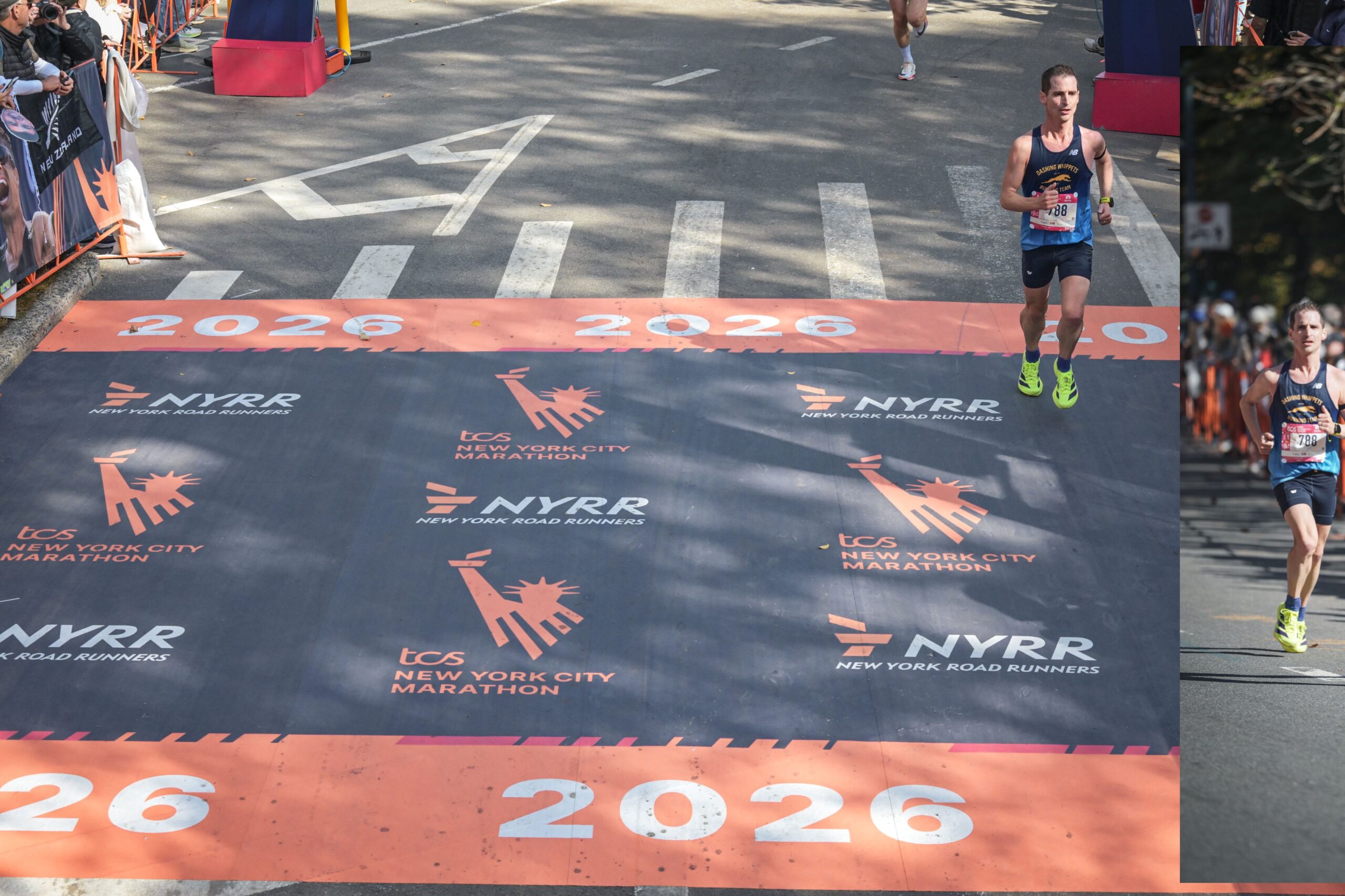
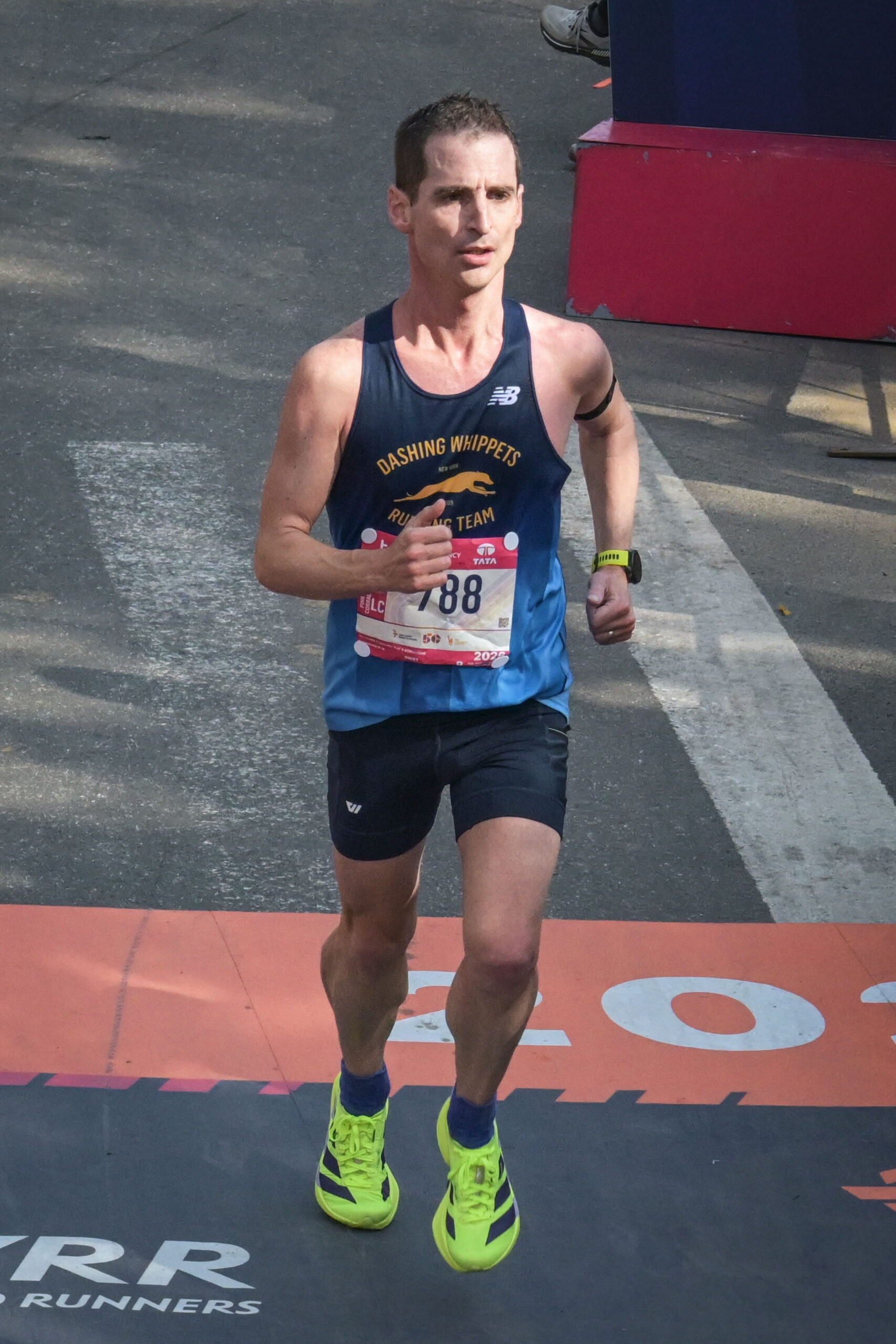
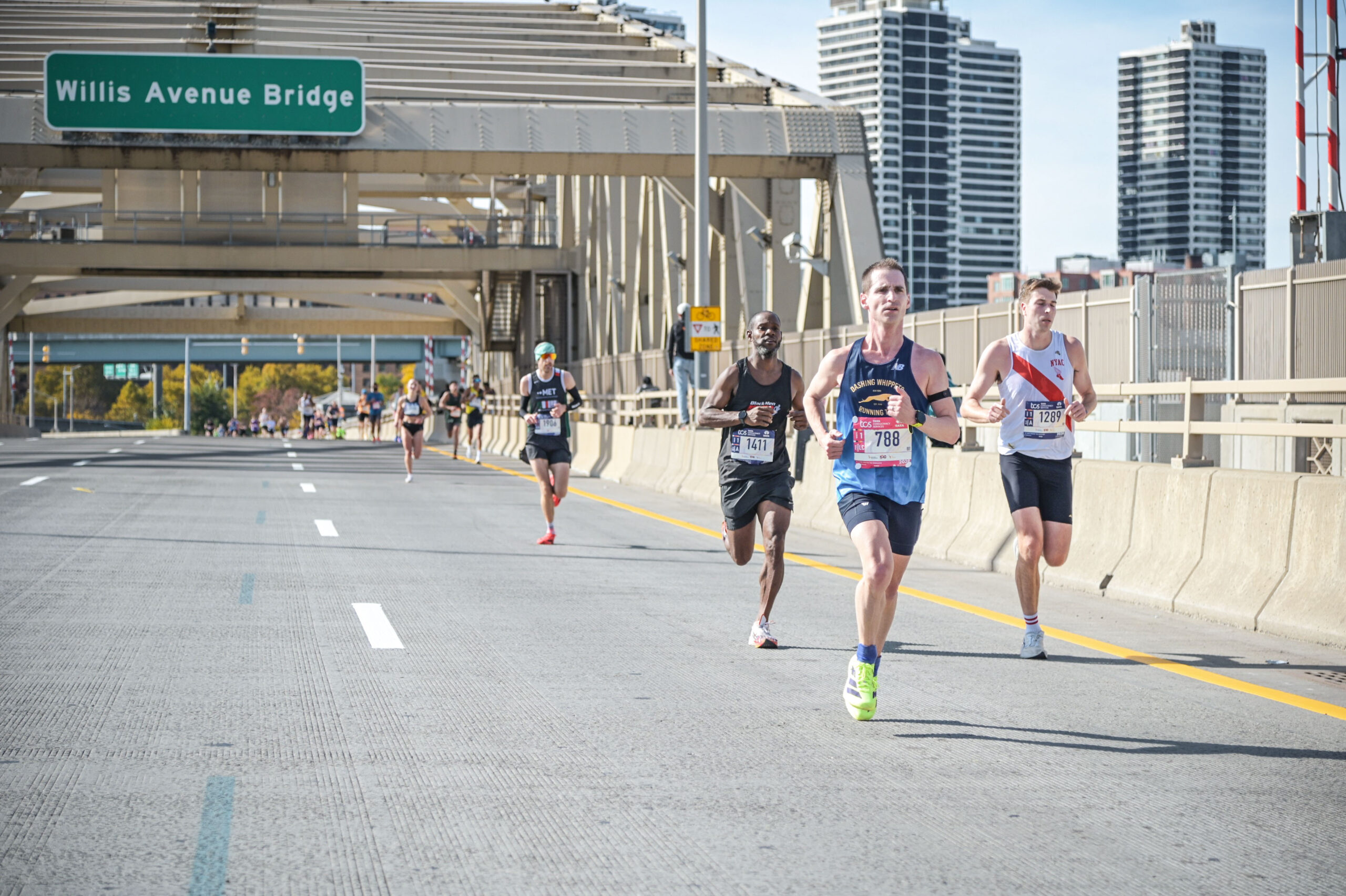
Stopping never entered my mind, especially for this special edition. I finished with a time of 2:44:48: a course personal record and another sub 2:45 clocking. The time resulted in placing 485 overall out of 61,000+ participants. True to the meaning of a tough back half, that finish time would’ve resulted in placing in the 1,000’s on a completely flat course. As a testament, a few runners in front of me that took off on the Verrazano Bridge ended up walking on the Willis Avenue Bridge by the time I arrived.
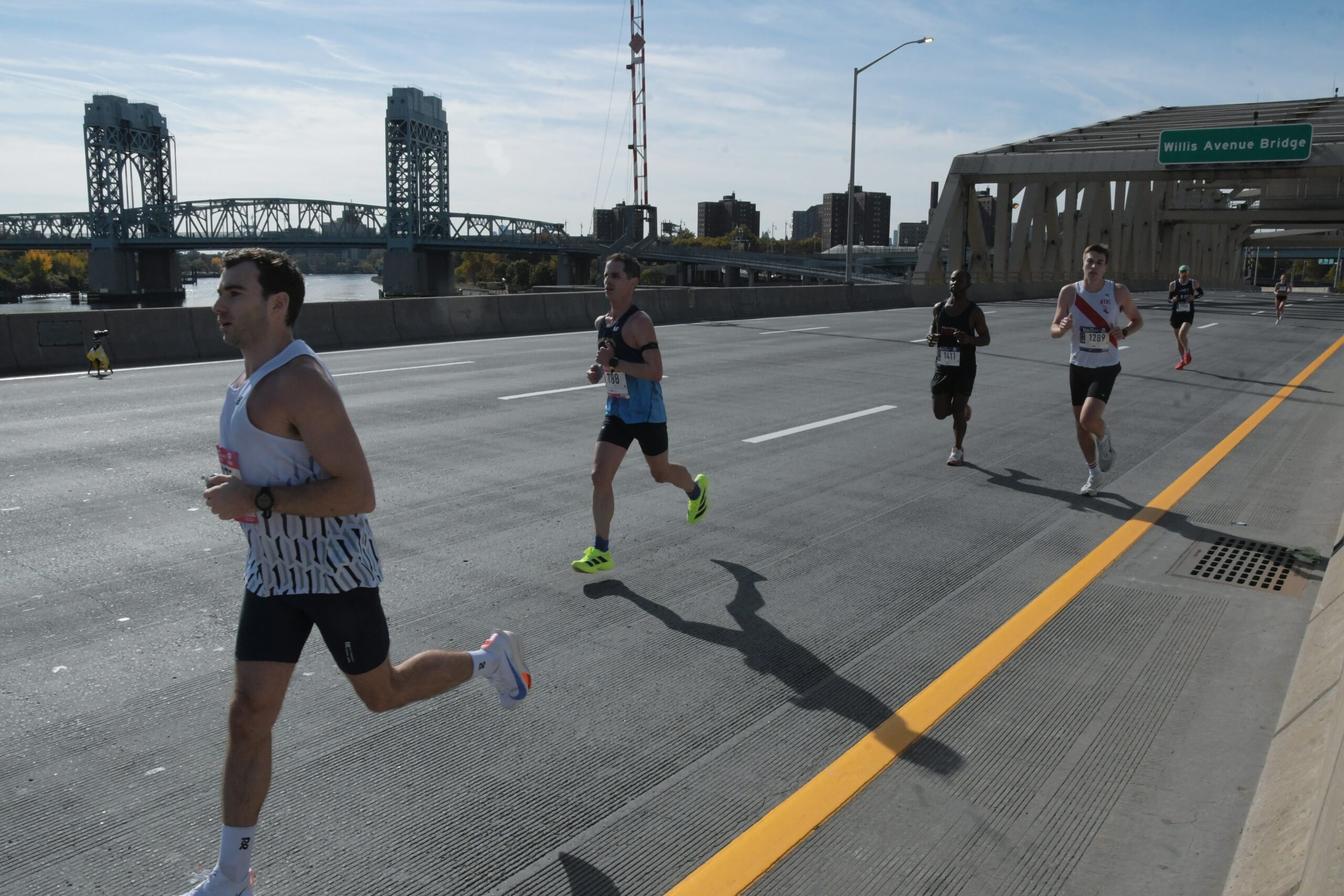
Sheer willpower alongside the amazing crowds entering Central Park helped my motivation with crossing the finish line. Also, it would have been an even longer walk to bag check had I stopped earlier. I actually felt ok mechanically all things considered with running at this point, even though I knew I missed my target time. See, many times we become immersed in setting a personal best. However, seeing my friends, colleagues and runners that I coach at the finish reminded me of the big picture. Remembering my why. Talking and catching up also distracted me from my destroyed quads as I walked Fred Sanford style to the Upper West Side to meet my wife.
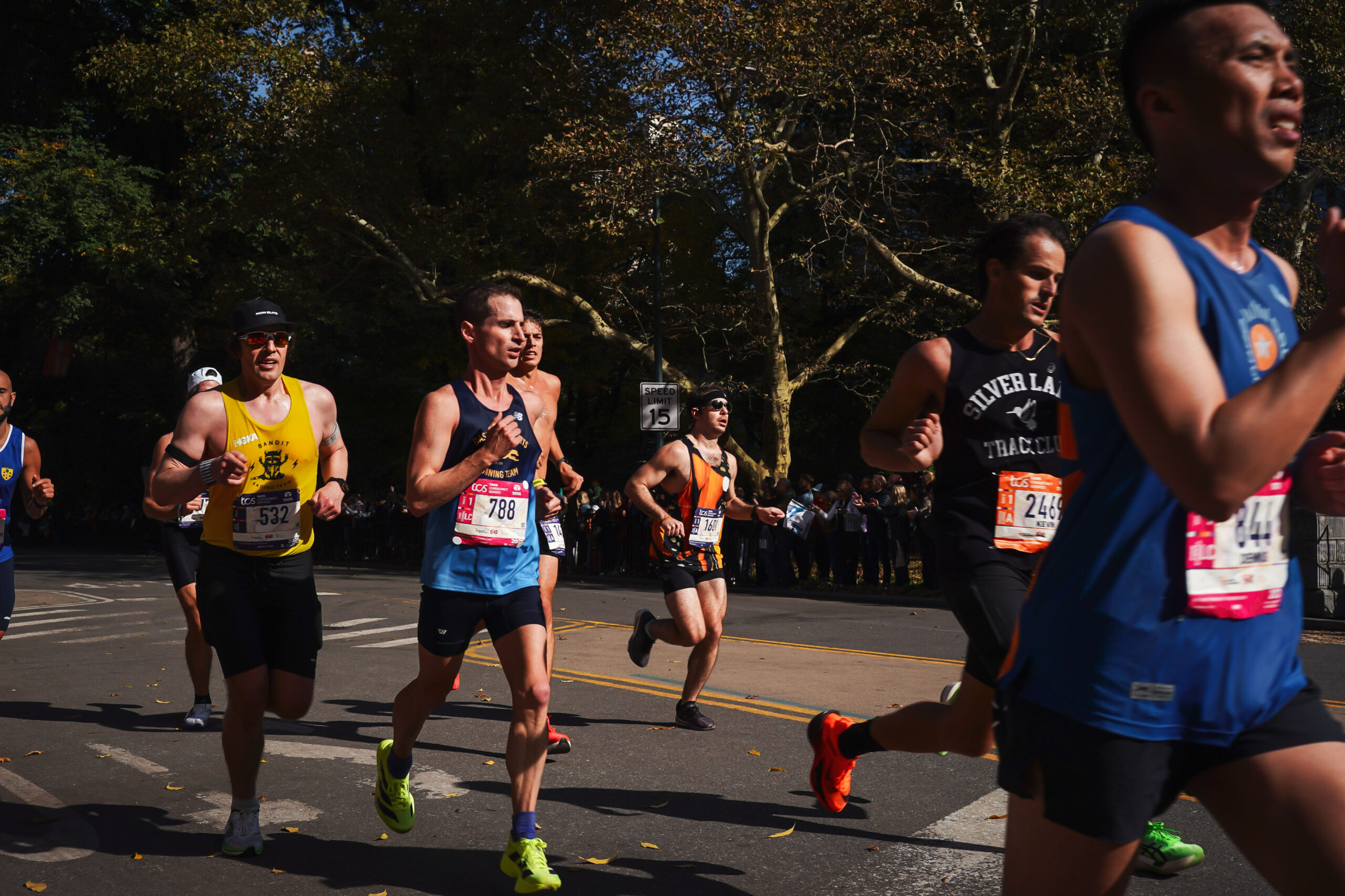
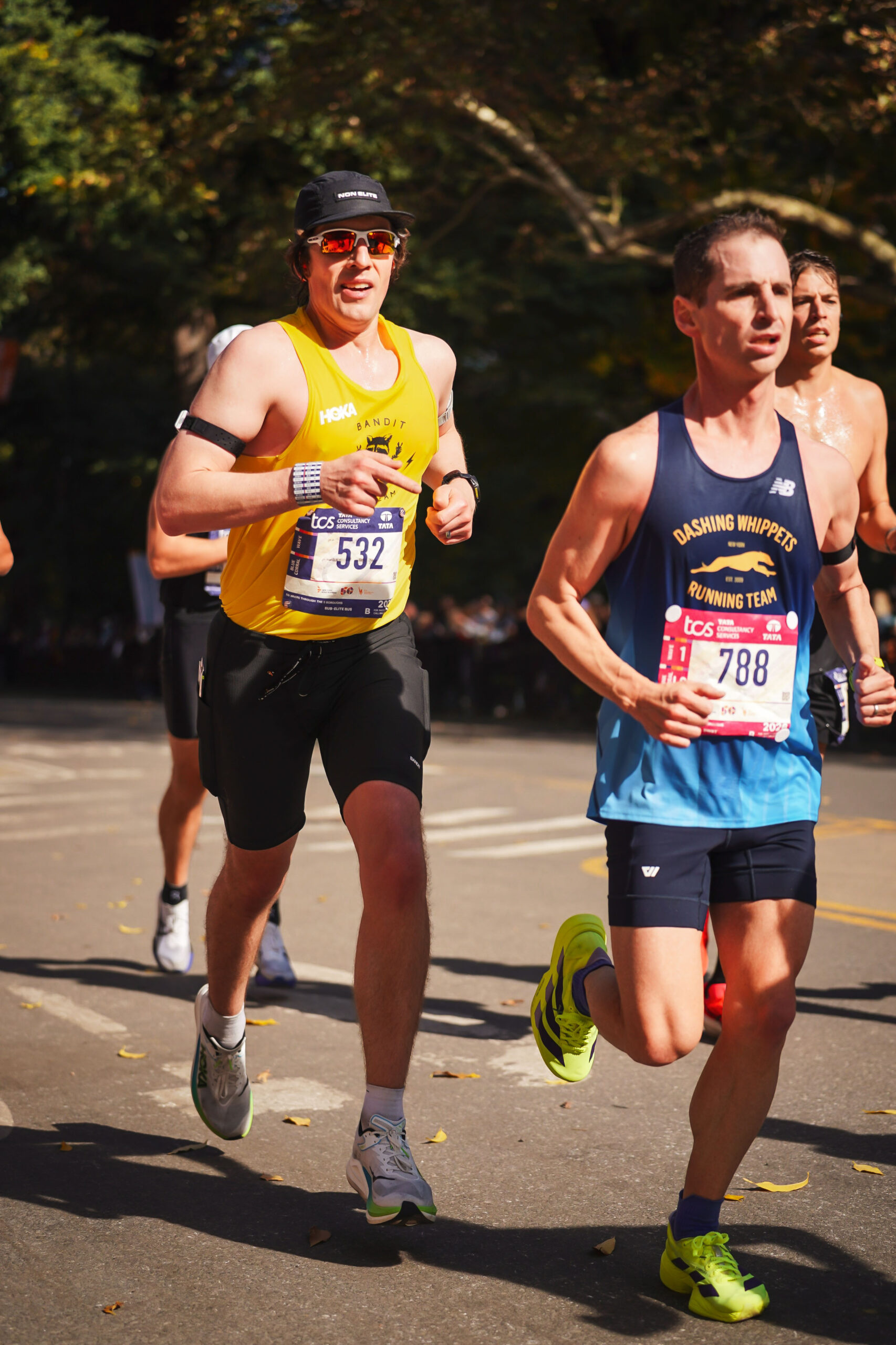
I might have not had the fastest trajectory for the marathon. Truthfully, probably all distances. But I’ve probably learned the most from all my experiences to help others. It takes a lot of discipline to head out the door to train in all the conditions that life throws at us. It takes even more comprehension, interpretation and discernment to discover what we need to do in order to actually try and succeed. Maybe I’m a true artist, always reflecting and revising trying to reach my potential. I know clocking sub 2:45 when the back half slaps something fierce is an accomplishment. Even finishing a marathon. Nothing is guaranteed. But I’m still curious if I can bring my marathon time more in line with my other personal bests.
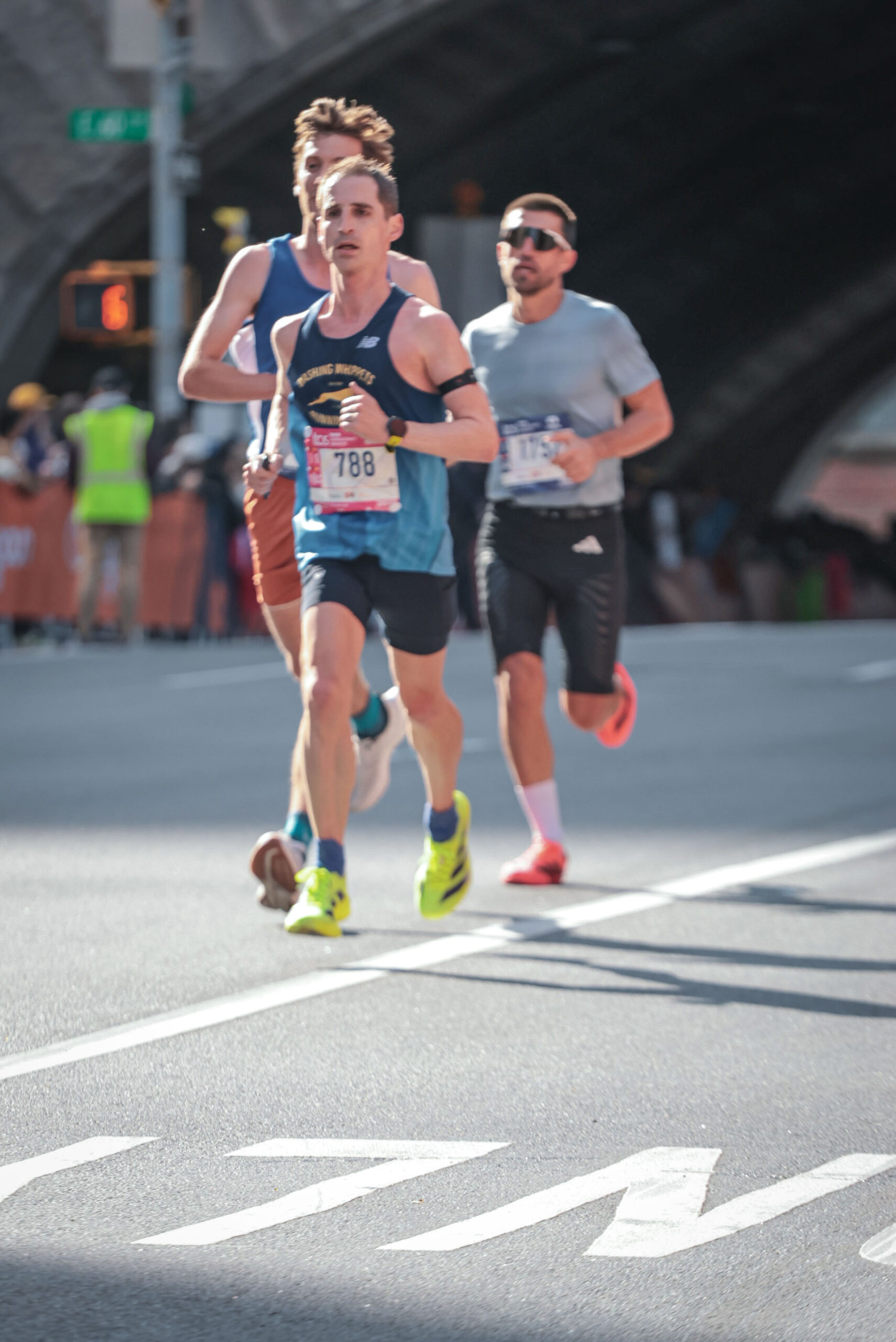
This special edition of the New York City Marathon taught me the importance of expecting a non-linear and unpredictable ride in order to find your true potential. I’m definitely in this for the long haul. I hope my story can give you encouragement to stay the path when facing adversity and uncertainty. And yes, I most likely plan to run it next year to actually run a successful back half.