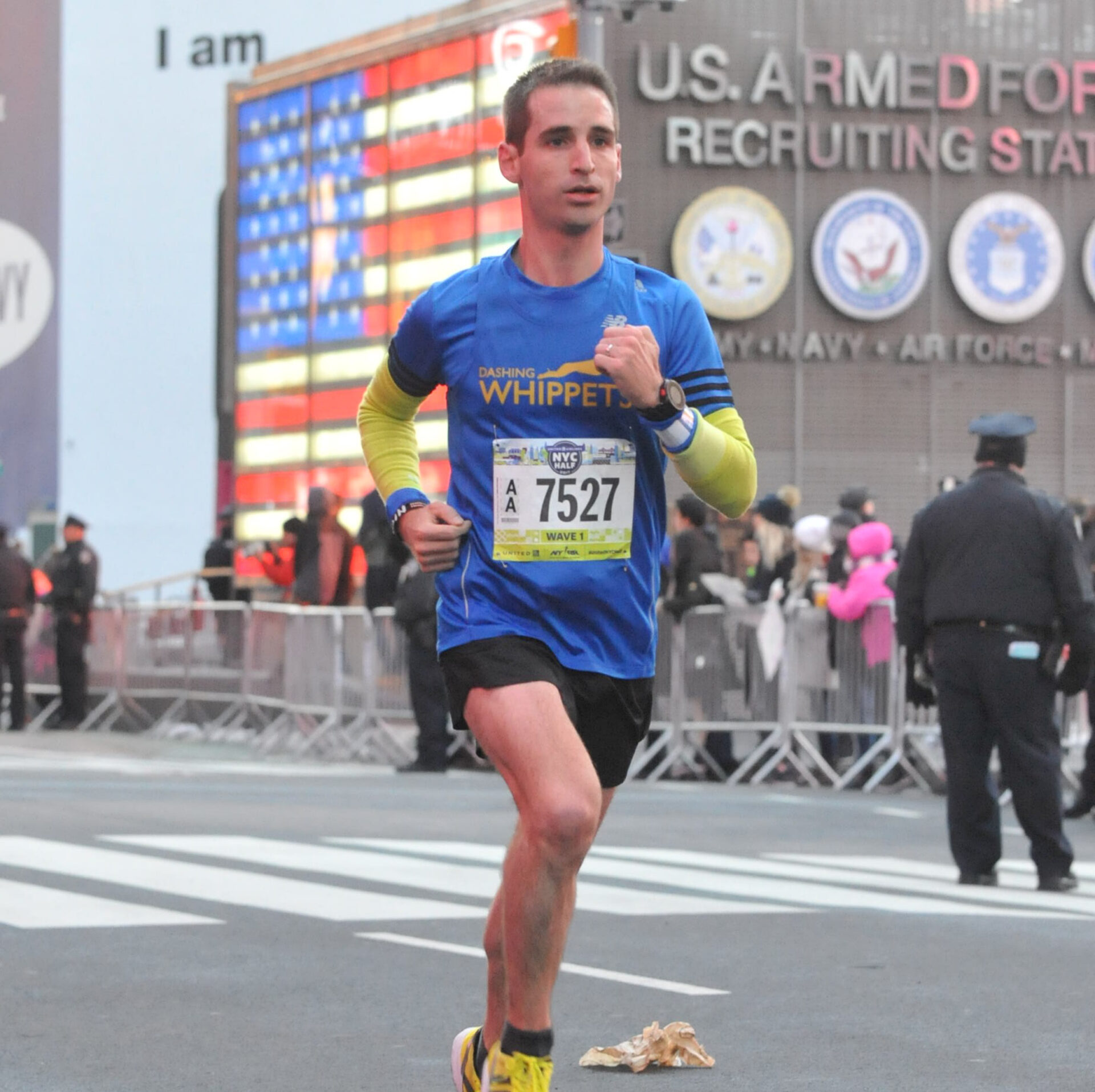
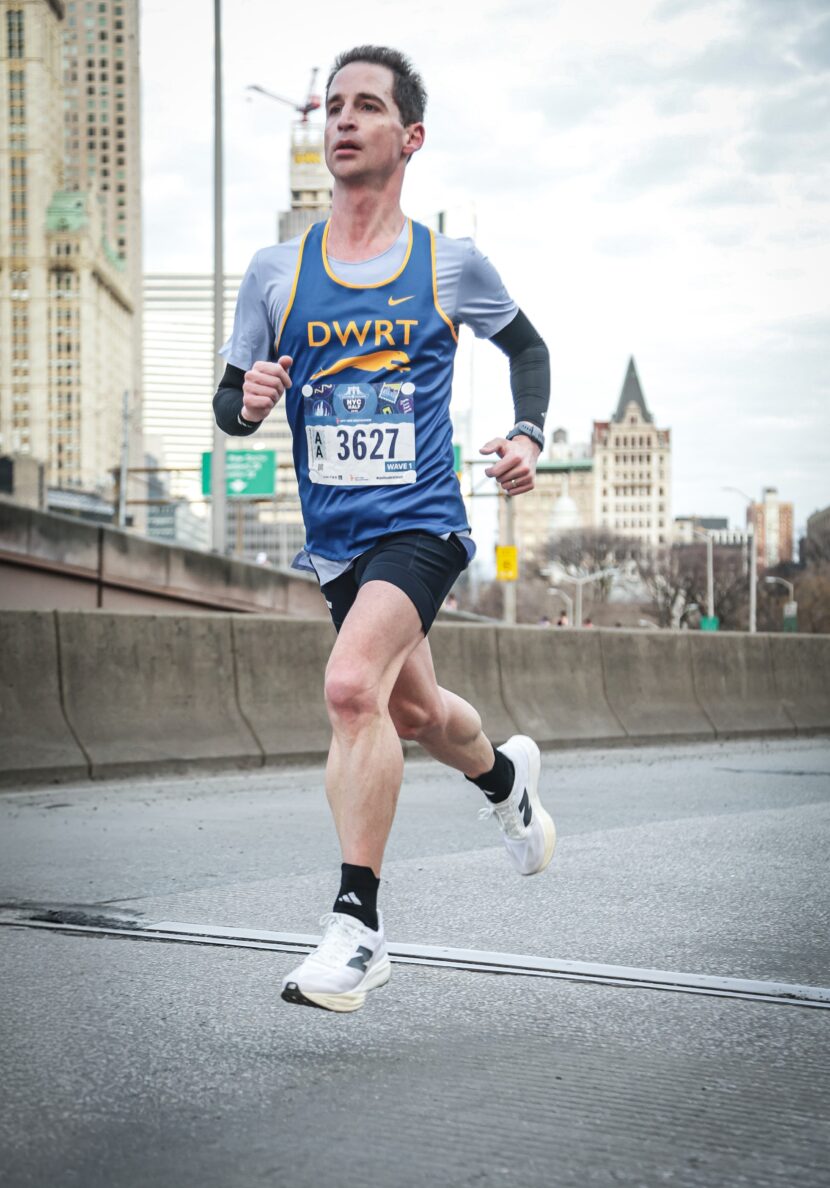
I’m happy with the start of my 2026 training. My theme, clarity and intent, is at the forefront of how I’m structuring and distributing my training framework this year. Coupled with my new employment with NYRR for group training, I’m finding balance while not only gaining fitness, but also sharing tips with others on how to train better. I’m definitely being held accountable with balancing life as well as my training load and health.
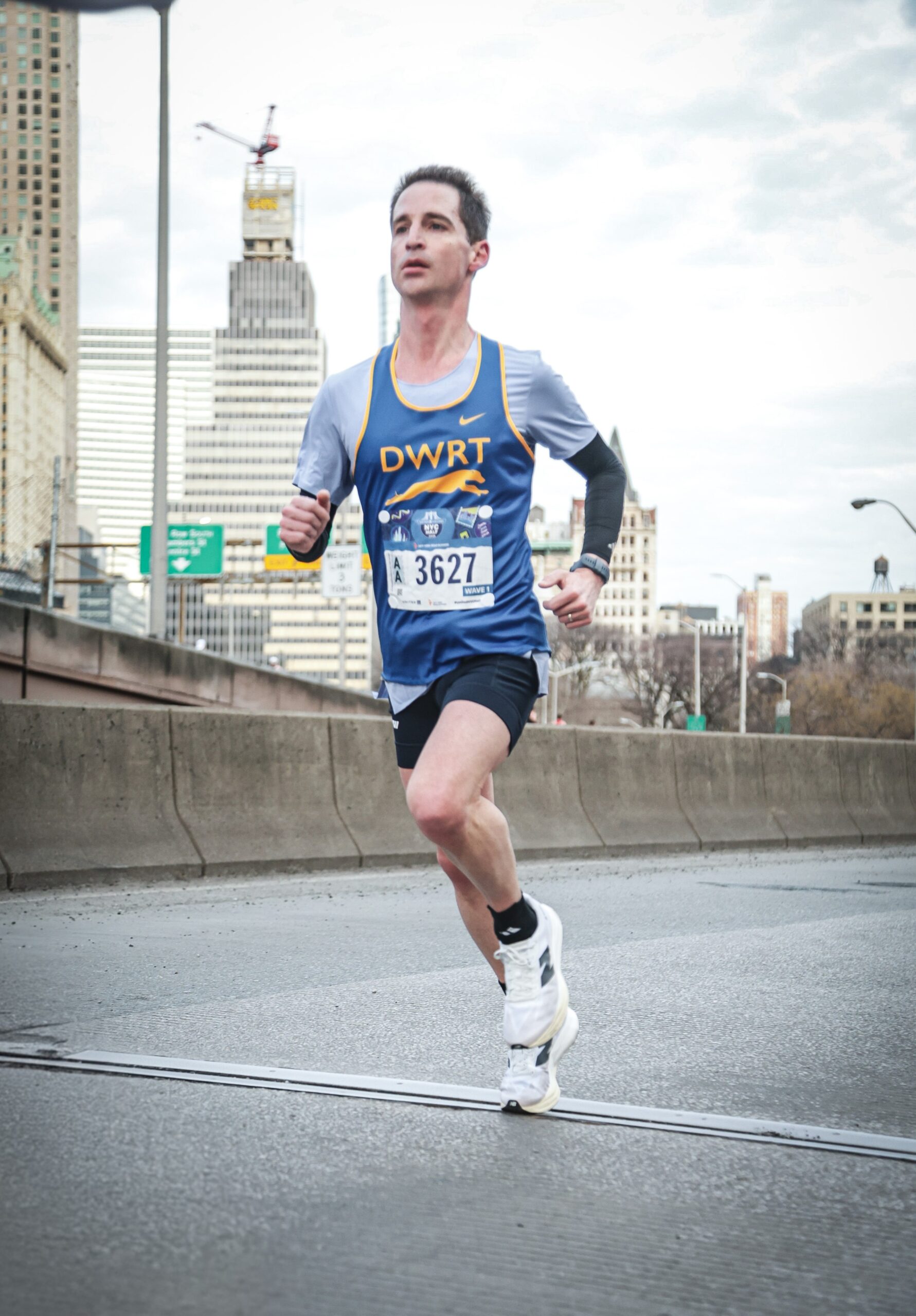
Yes, I’m still “old school” with the blog. I do not see myself pursuing the whole content creation, running influencer post-covid paradigm for a myriad of reasons. For now, I prefer sharing my training progress and thoughts on a space that I actually own without meeting an engagement quota. Perhaps I might open myself up to it in the future if a different medium came into fruition. Though, I would much rather prefer sharing and communicating not only via this site, but with actual human interaction outdoors.
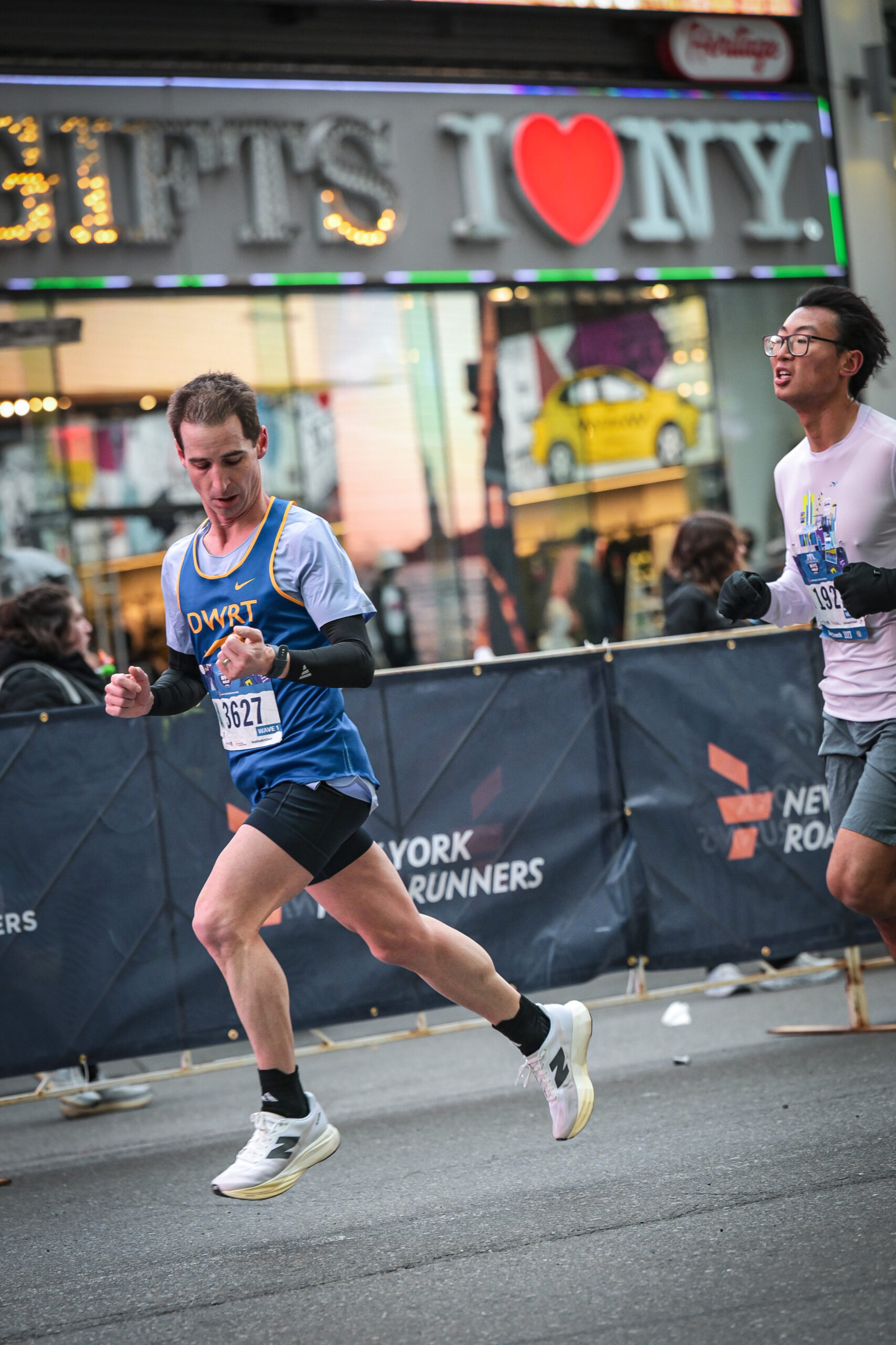
I’m building fitness quite nicely since recovering from the 2025 Chicago Marathon. I’m monitoring training load very closely. The balancing of energy systems, mechanics (enough mobility, storage and release of elastic energy, etc.) and actually absorbing the workouts is crucial for me to arrive at my goals. I’m not letting age define me. I choose to define myself before others do. 39 is still young. Why do people take themselves out of opportunities by thinking middle age is a death sentence?
I entered NYCRun’s Frozen Bonzai 5k, a week before the United NYC Half, to tune up and sharpen a bit. I placed second overall with a course PR. For those who don’t know Prospect Park in Brooklyn, the USATF certified 5k course, commonly used by race organizations here, starts by a lake. It involves climbing a hill named Battlepass after the first mile. It’s common to lose 10-20 seconds up the hill if unprepared and/or by pacing too aggressively. I gave myself permission to start conservatively and only lost 3 seconds over the ~600m climb. Managing my efforts resulted in running a negative split, only 8 seconds off from the first place finisher.
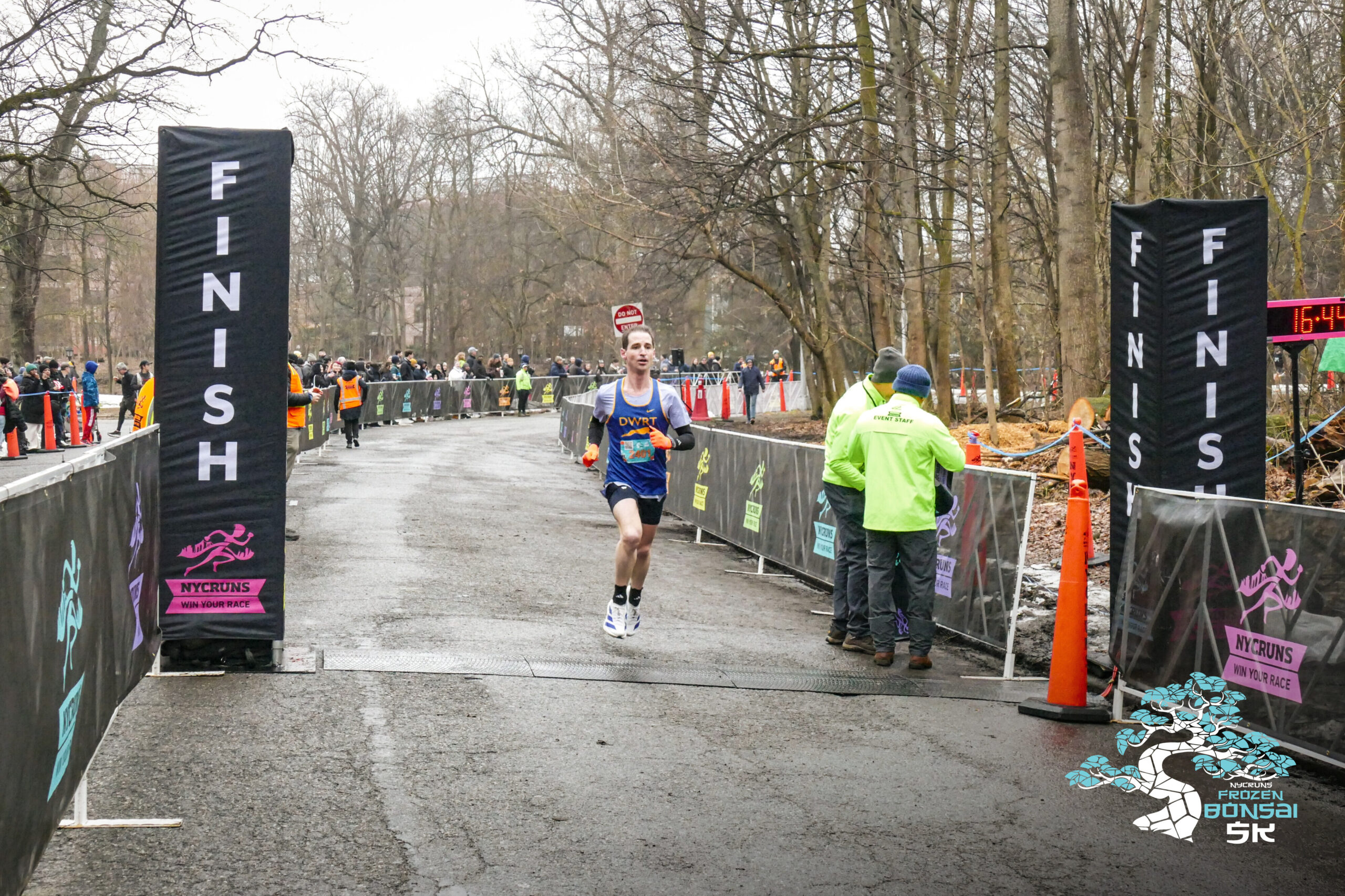
This provided a great boost in confidence since my training has almost exclusively consisted of easy to subthreshold running to increase my CTL (training load). I felt prepared and excited to run the half marathon the following week. If I could maintain a faster pace up Battlepass during a 5k, then running the same hill at a slower pace would feel easy.
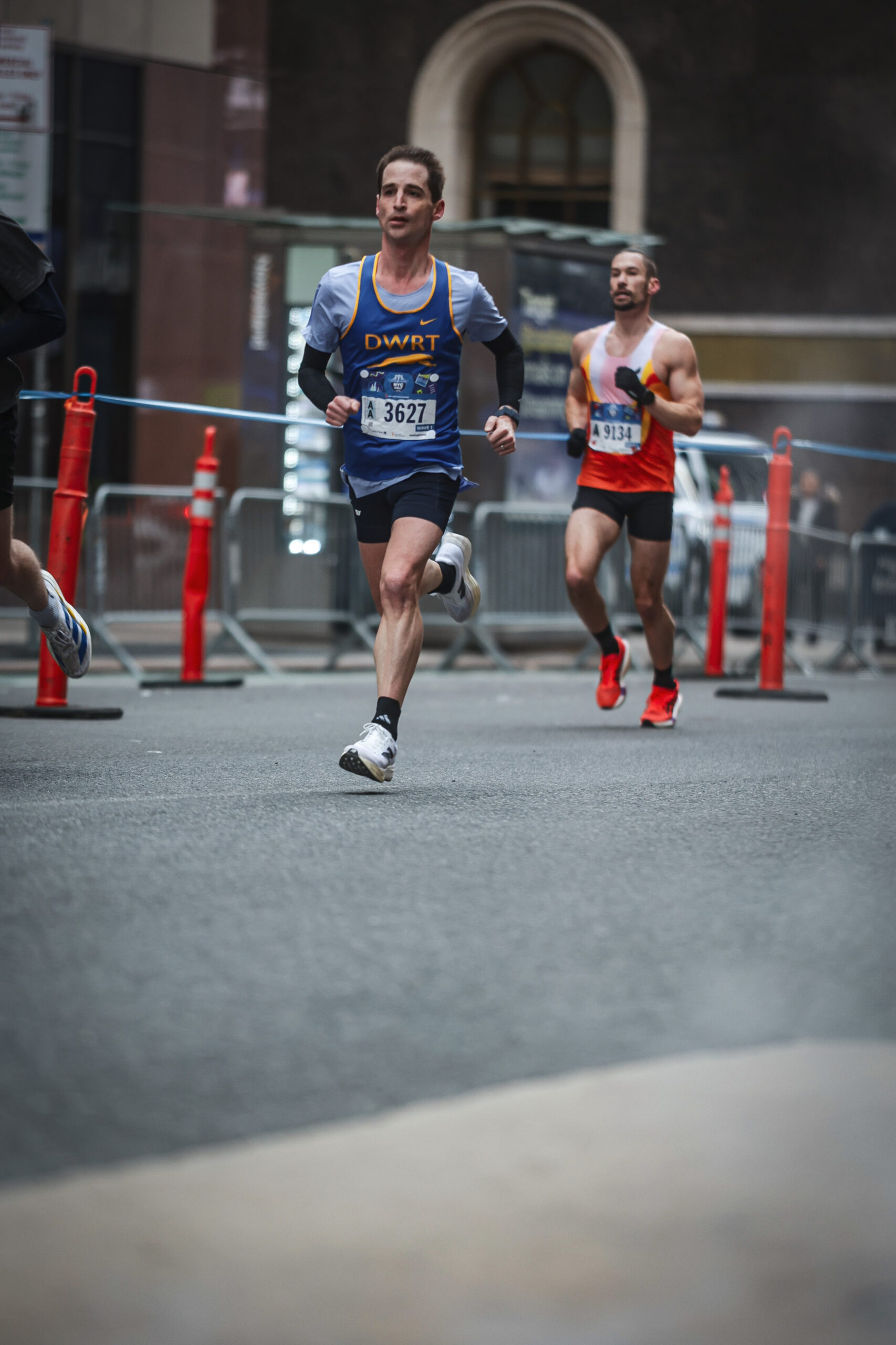
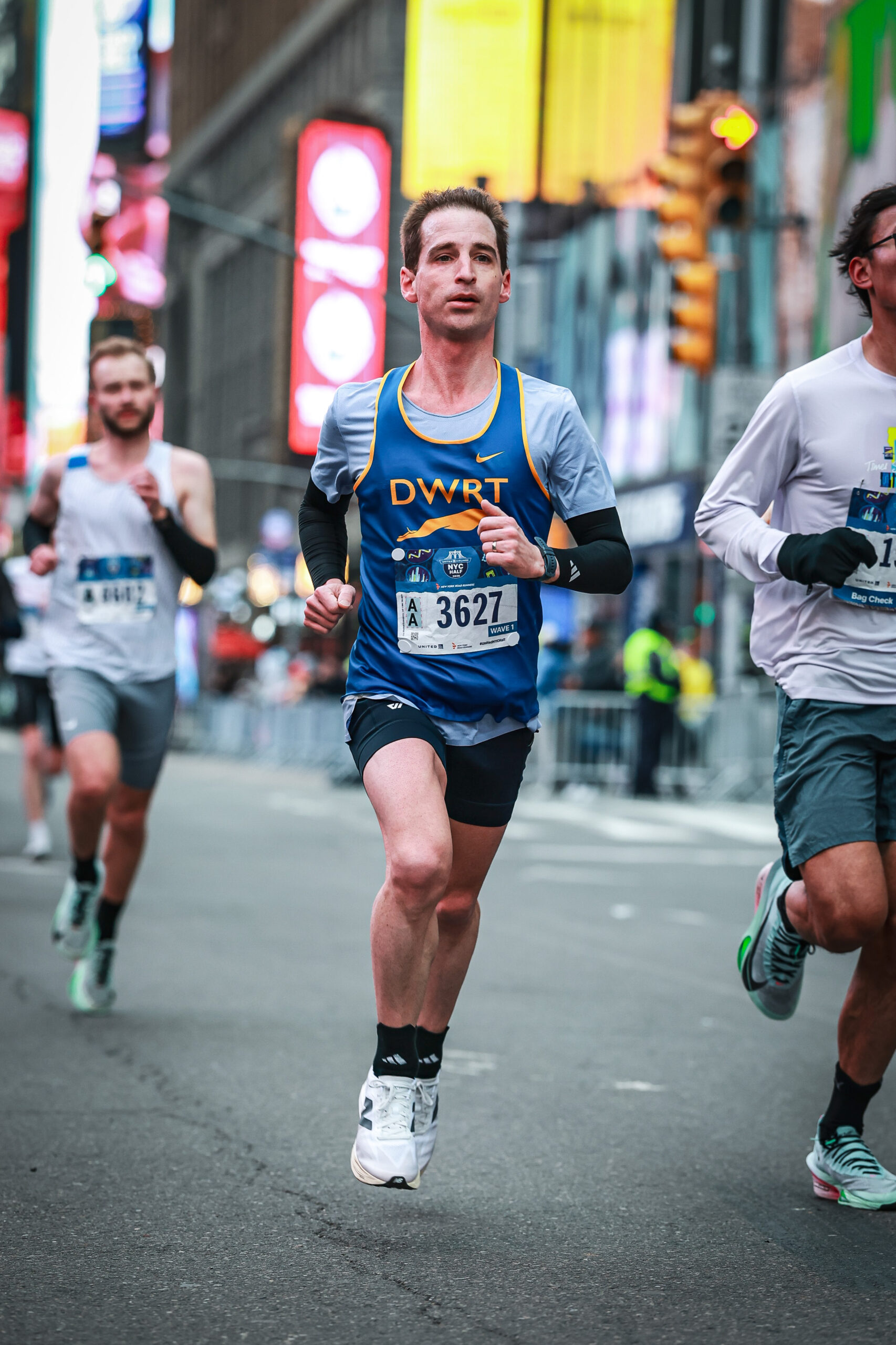
I woke up feeling energized for the United NYC Half. Perhaps because of the time change as spring is near, or from the beet smoothies I’ve recently made (I really need to add lemon or watermelon to balance the taste). I’m a veteran at this point in local NYC races that I timed my jog to the start to allow enough time to not feel rushed. Hand warmers and extra layers in hand to keep warm, I awaited hearing the horn to start. Anticipating the climbs at mile two and five, I dialed my racing strategy into my mind. Relaxed running, pacing properly and believing in myself while pushing my limits towards the end would produce a good result.
Honestly, the start felt very calm and smooth compared to previous years I’ve raced this event. I clicked off mile after mile, accounting for the rolling terrain; minding my business the NYC way and keeping my effort a tiny bit below my lactate threshold heart rate early on. I planned to hit the final 5 kilometers hard and roughly had an idea of the paces I could handle. My running felt very smooth. All those years of studying and ingraining proper form and mechanics paid off this race!
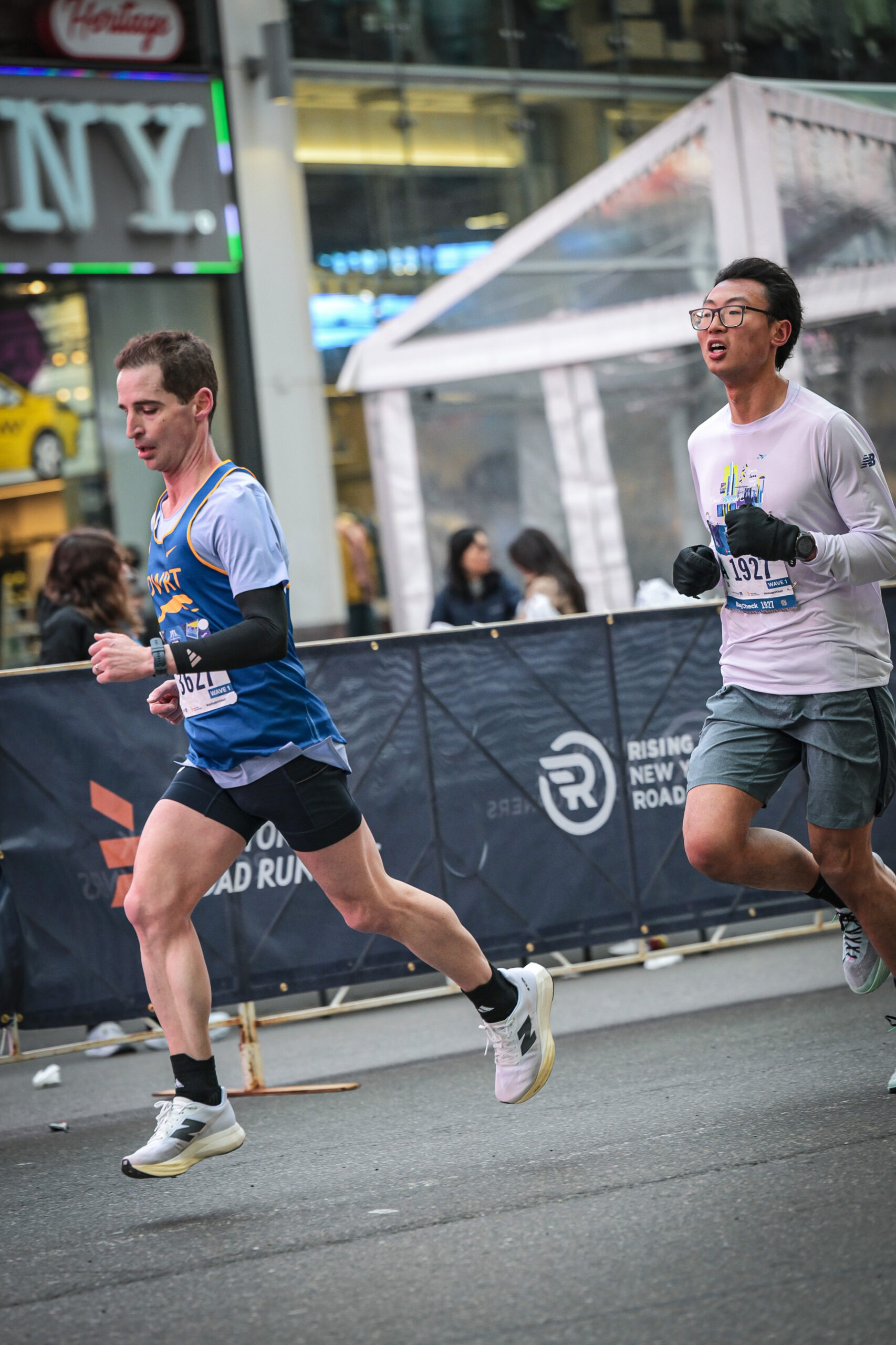
Strategy played a big part in running this half marathon well. The right mindset became the key ingredient. While it’s quite possible to run a fast time, by design the United NYC Half is not a time trial course. Moreover, road racing is tough. It takes a certain amount of grit while not burning all your matches too soon to come out on the other side ok. As they say in cycling: the road puts everyone in their place.
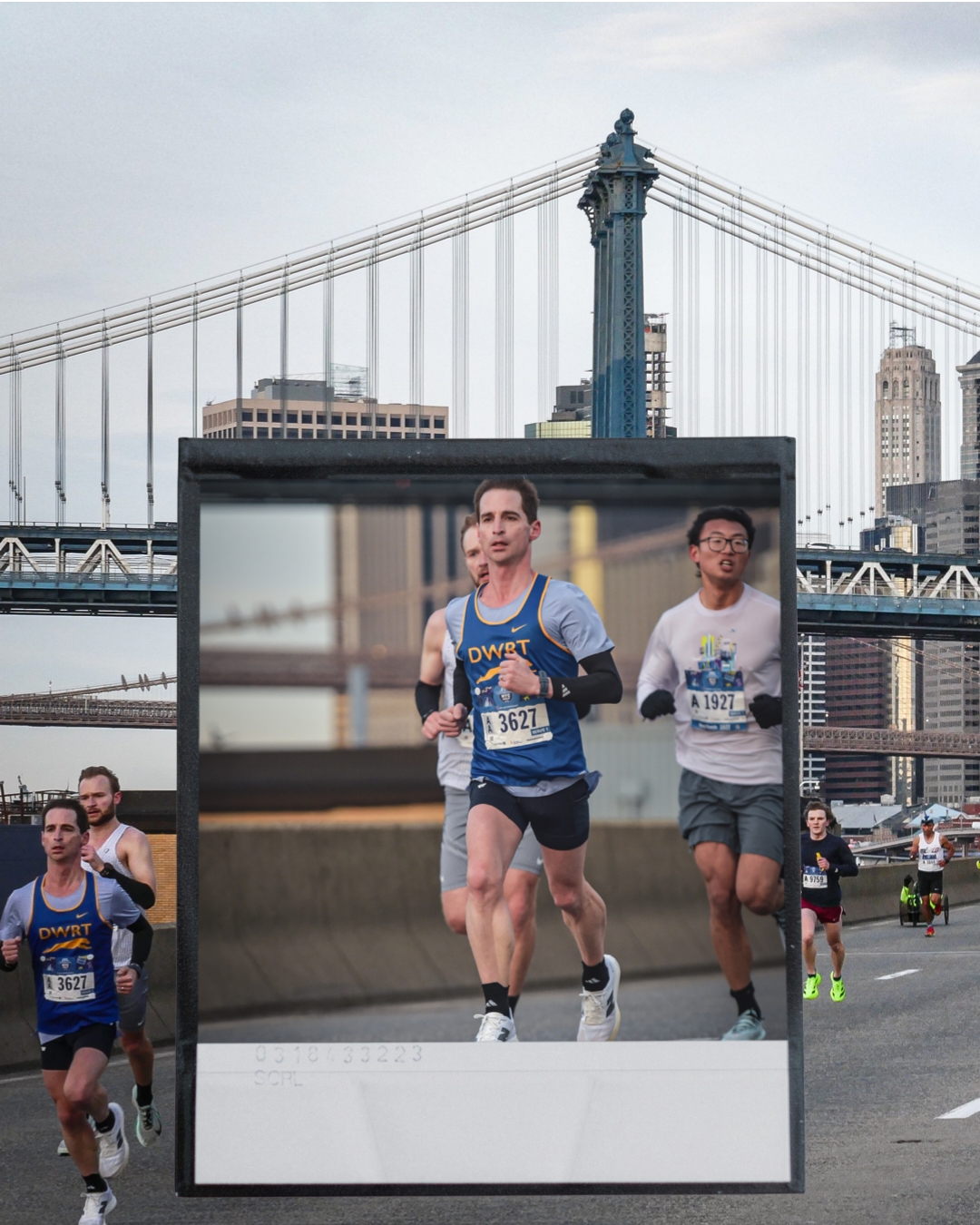
I felt an influx of energy once seeing my family by our building. Making the left turn on the infamously horrendous Tillary Street (Brooklyners know the craziness of that intersection), I saw my friends Eyasu and Malcolm pepping up all the runners. Much needed! Once I climbed the Brooklyn Bridge to head north on the FDR, the silence and wind awaited. Cue how the Queensboro Bridge feels when running the marathon, only much more drawn out.
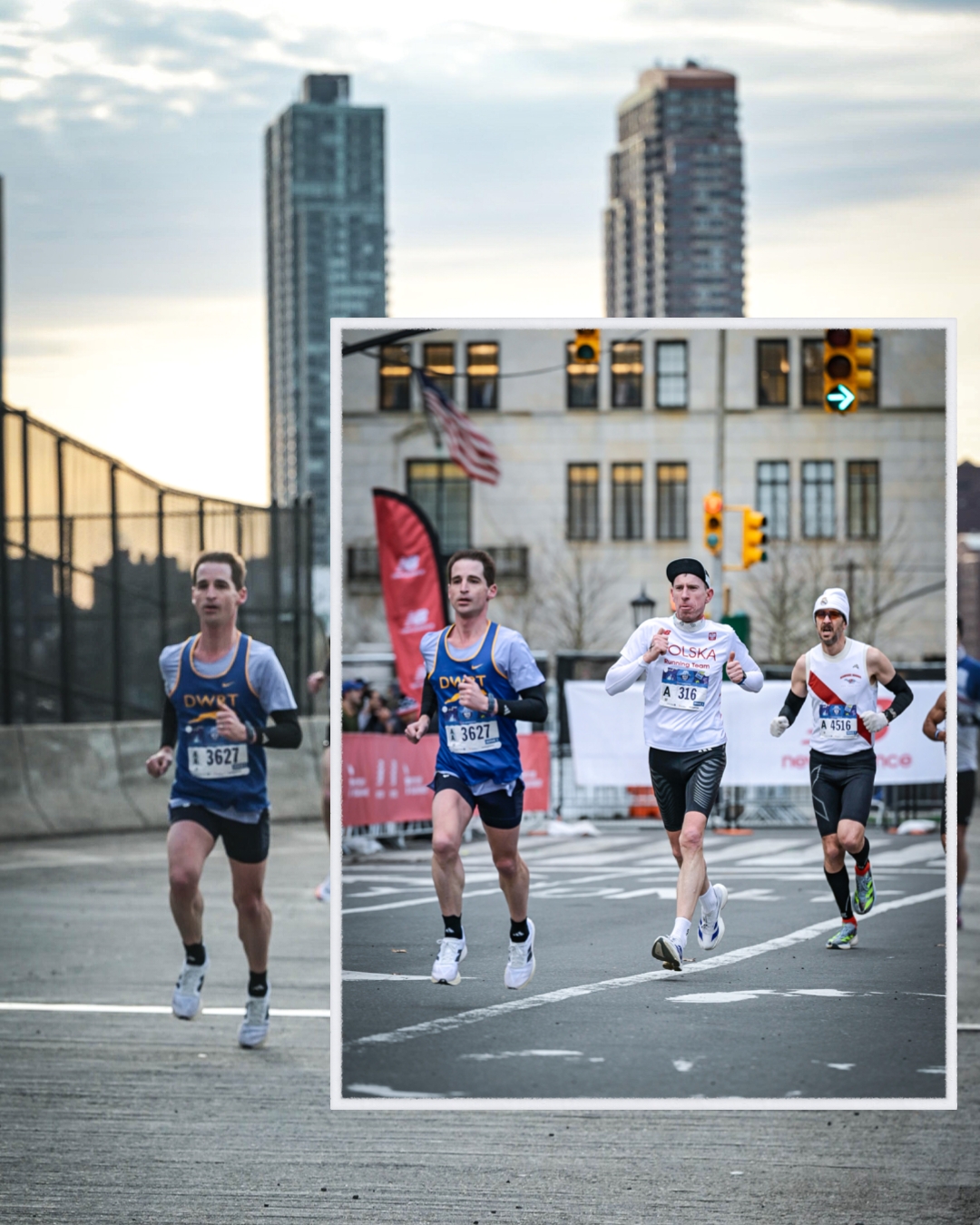
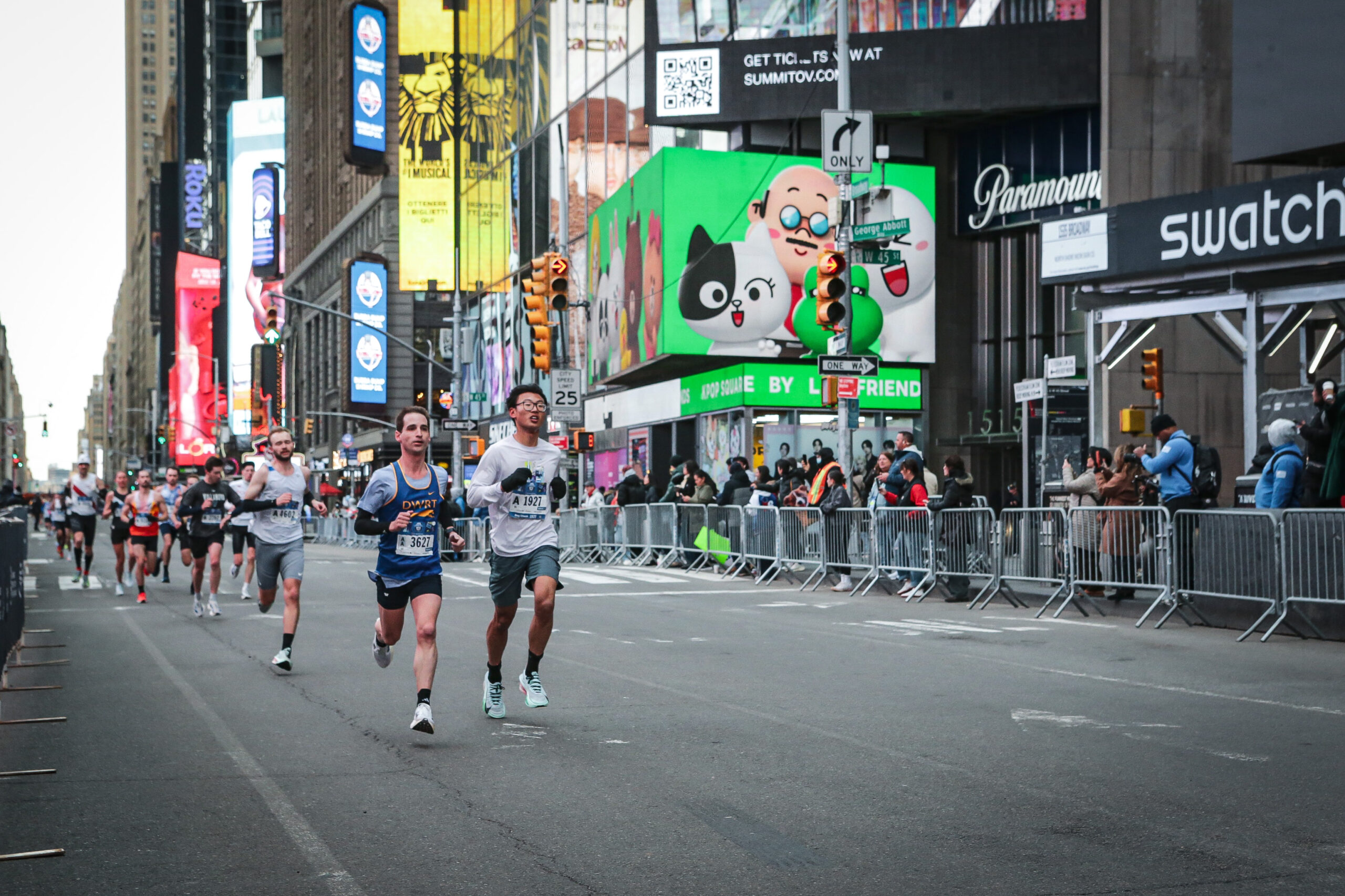
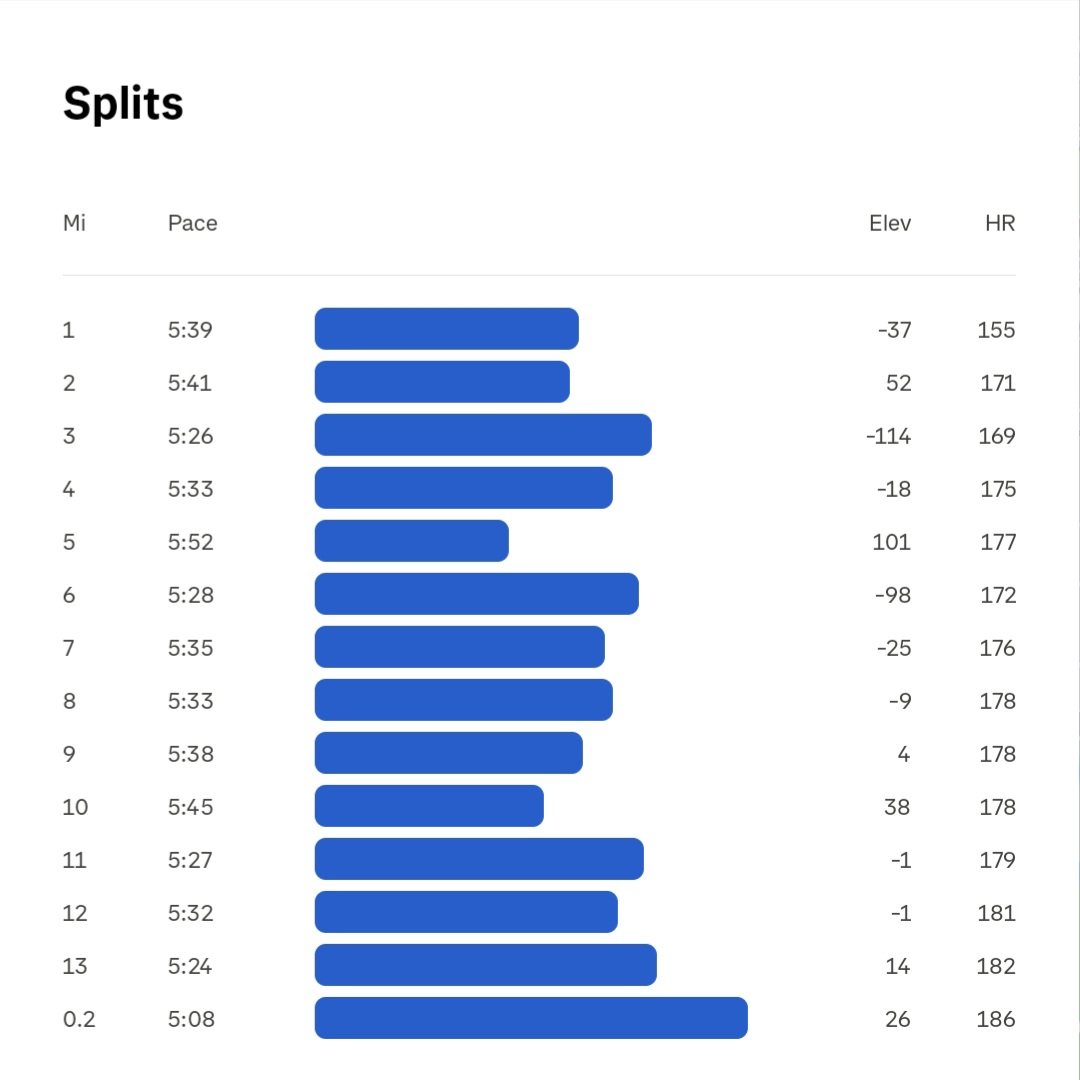
The wind and quietness became an obstacle as I tried to tuck into a pack. Surprisingly, I held pretty even splits before making the turn onto 42nd street. The race started here. Believe it, the final 5k on this course presents a challenge when pushing at a maximum effort. Charging up hills and increasing my turnover on the downs, I questioned my sanity choosing to run this race. In reality, I kept holding steady approaching Central Park from Times Square.
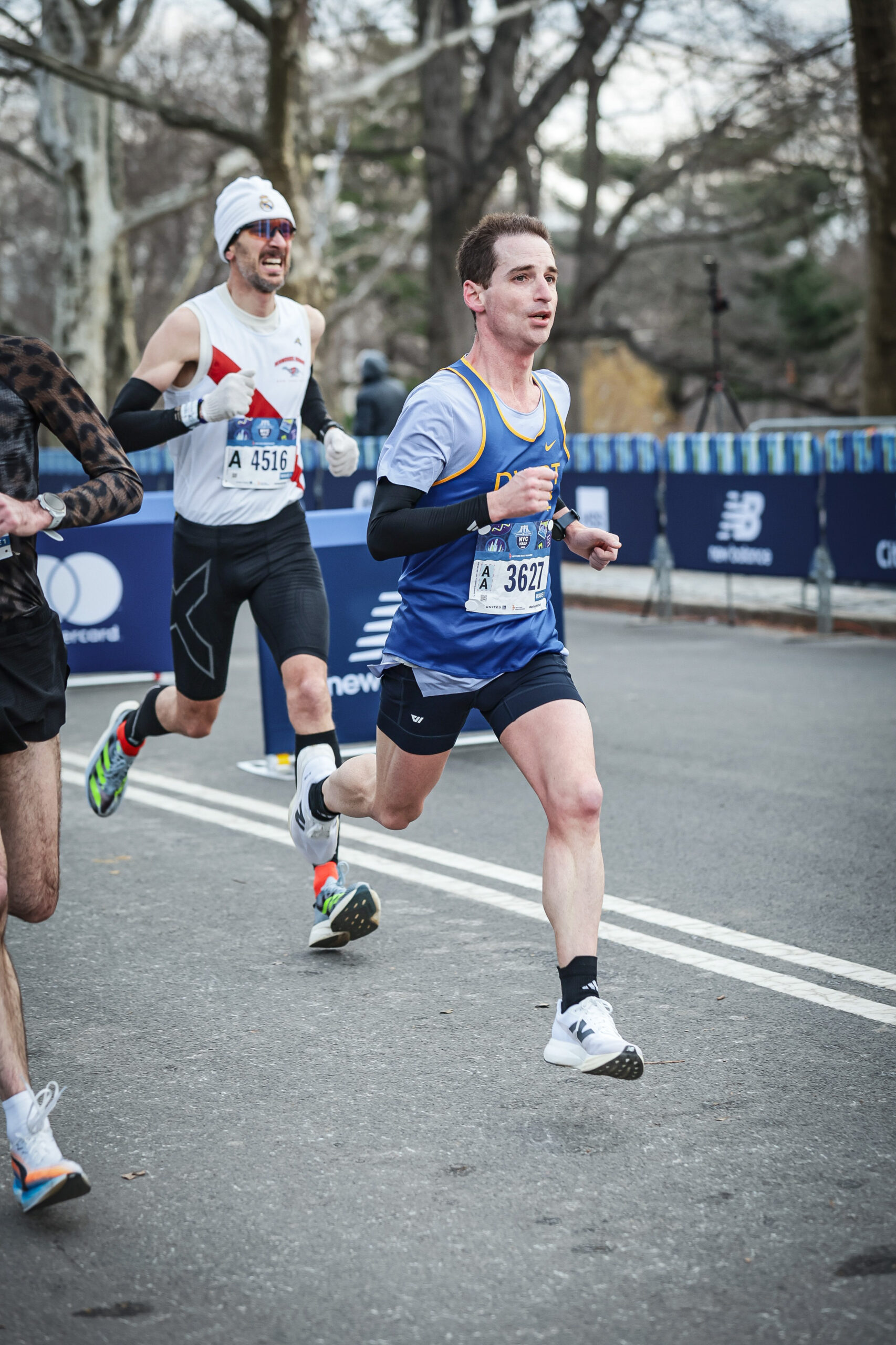
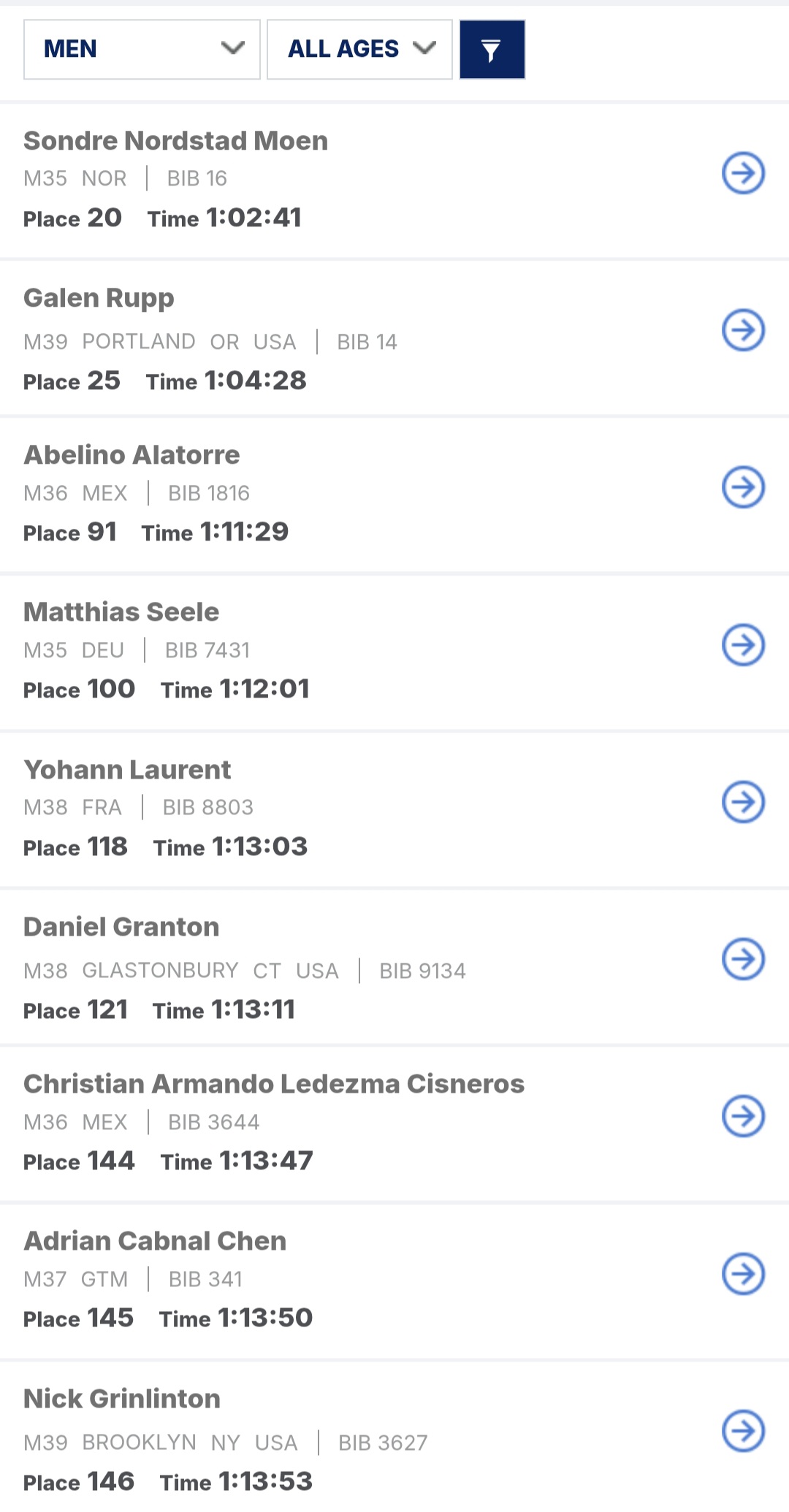
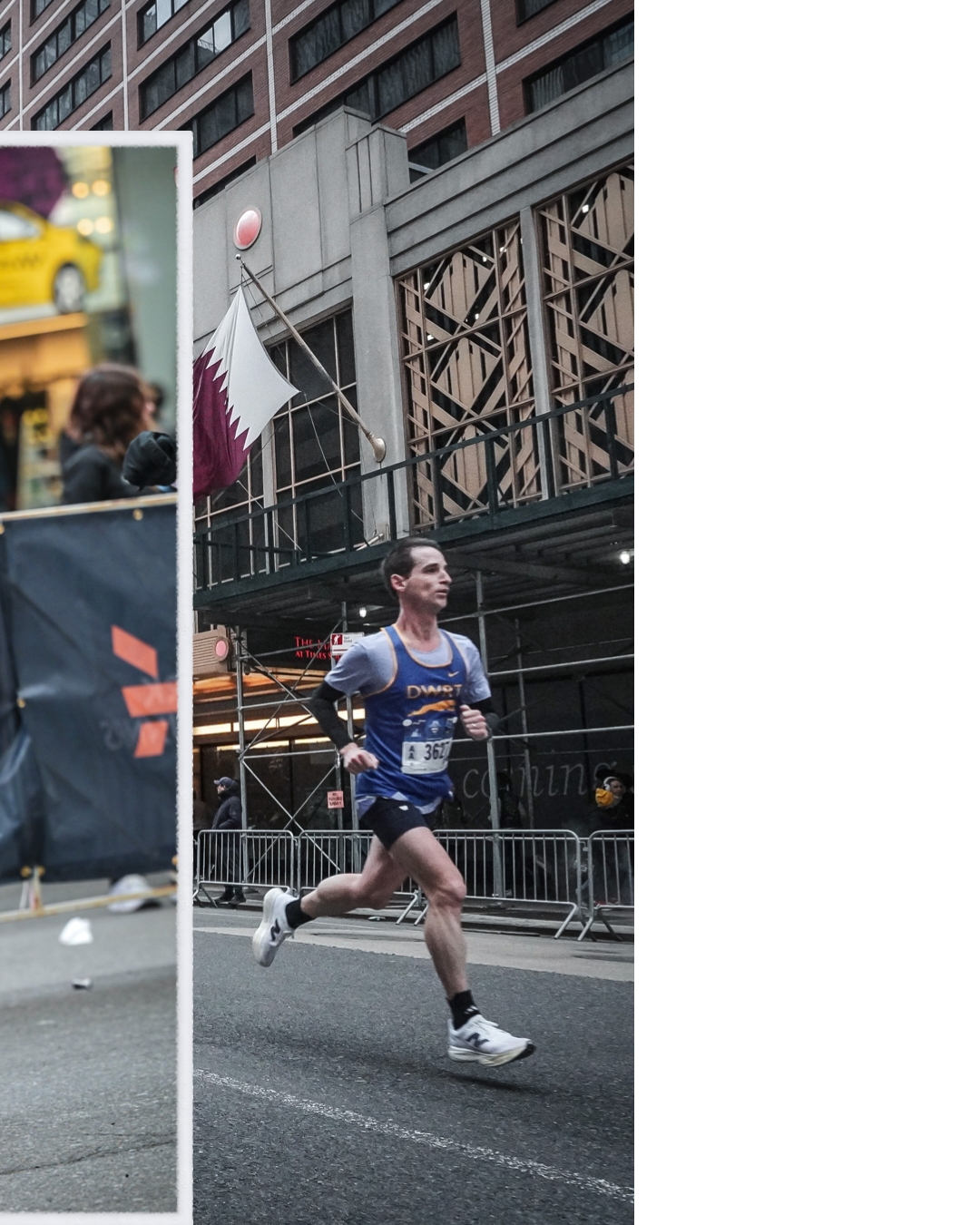
I saw my team, Dashing Whippets, once entering the park, giving me another boost to power through. Totally unaware of my time I hit the 800 meters to go sign. The final half mile in this race sucks because of the rolling terrain, but I caught a glimpse of the clock and saw I could PR. I kicked it into gear at 400 meters out and improved my half marathon time by 5 seconds! 1:13:53. Averaging 5:40 pace for each 5 km with a final kick to seal the deal. A minute and 14 seconds faster than last year’s event! Take that, Garmin’s race predictor.

I finally somewhat understand the training balance I spoke of before, though I don’t think I’ll ever fully arrive. Who actually does? Most importantly, I have more clarity and depth to solve problems. I see progress while having a better understanding on how and when to sequence my training to reach my goals. A degree in exercise physiology probably would’ve helped me, but that alone wouldn’t have given me the wisdom that I gained by experience. To equate it with studying music formally: learning chord-scale relationships will not guarantee the ability to phrase and write great melodic lines.
Onward to preparing for May races!